

NASP Blog
Latest Blog Posts

Chemical Incidents Aren’t Getting More Common. They’re Getting Deadlier.
By NASP Blogger Current Events
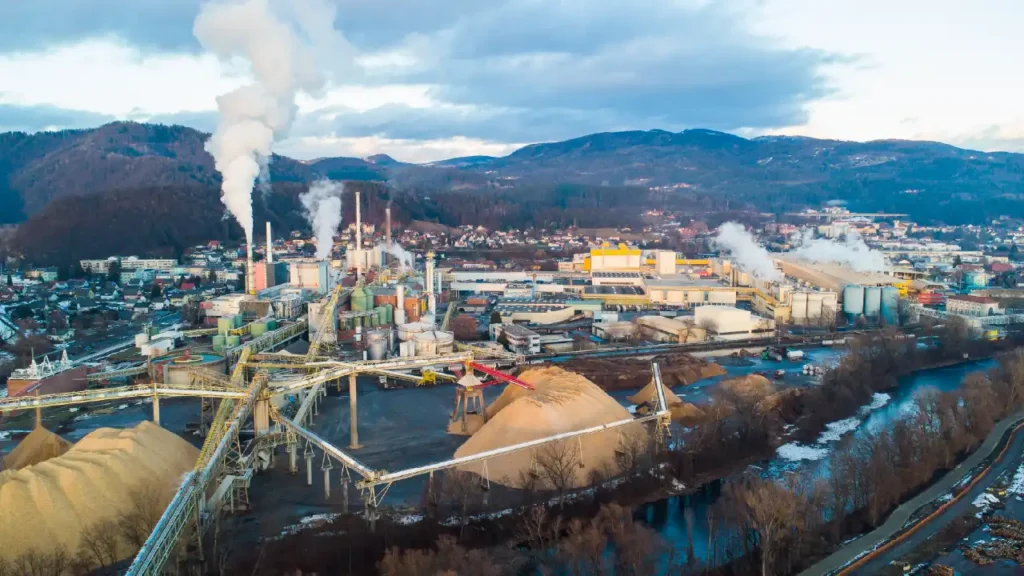
Late on Tuesday, October 20, Toledo Fire & Rescue ordered everyone within a mile of 1266 Progress Avenue to leave. A tank at the MC Tank Transport terminal in North Toledo had ruptured and was venting glycidyl methacrylate, a reactive monomer, into the air. By four the next morning, the department had added a three-mile…


All Blog Posts
All
- All
- Certifications
- Compliance
- Current Events
- Editorial
- Live Classes
- Psychological Health and Safety
- Safety Culture
- Technology
- Uncategorized
- Youtube

Some Unexpected Feedback
When we launched our new LMS (Learning Management System) platform earlier this year, we were excited and loved all of the positive comments regarding the...
Hand-Arm Vibration Syndrome
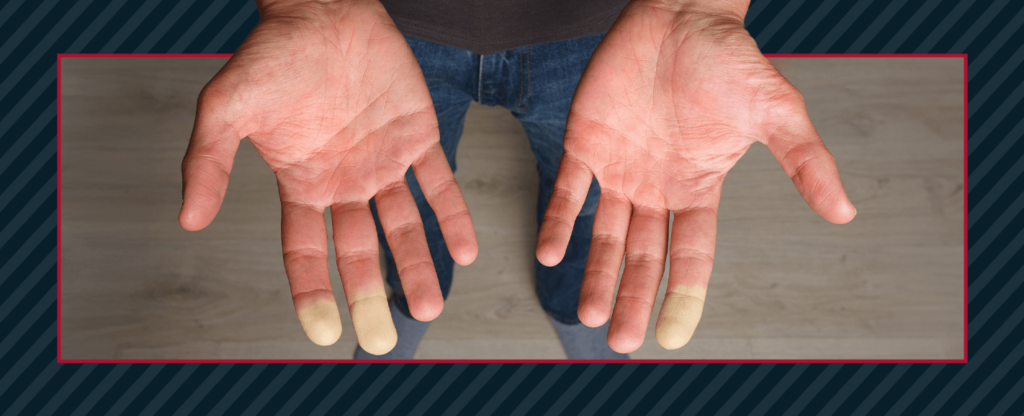
Hand-arm vibration syndrome is a silent disorder affecting many workers who do physical labor. Safety professionals must understand this condition to safeguard the workforce's well-being. According...
Management of Change – Large Pipeline Company Case Study
The company for our pipe line management of change (MOC) case study has over 2,000 employees, multiple business units, areas, and facilities crossing several provincial...
How to carry out fire extinguisher inspection
Fire Extinguisher Inspection is important to ensure that the extinguishers are active and ready for operation. Fire Extinguisher Inspection – Legal Obligation Federal OSHA standard 1910.157(e)(2),...
You’re Proactive About Workplace Safety – But What About Your Career?
Being proactive is preached constantly when discussing how to create a safe workplace. As a safety professional, you take countless proactive steps to prevent injuries...
Safety Around Power Lines
Working around energized equipment can be very hazardous, it is good to know these helpful tips to prevent yourself from becoming the path to ground...
How to protect workers against the risk of electric shock by direct lightning strike
Lightning bolts are static electricity discharges, with which their formation is impossible to avoid. However, we can take measures to protect and prevent workers against...

Explore Our Live and Online Safety Courses
Learn at your own pace online or join an instructor-led live training session.