

Last Call to Update Your HazCom Program
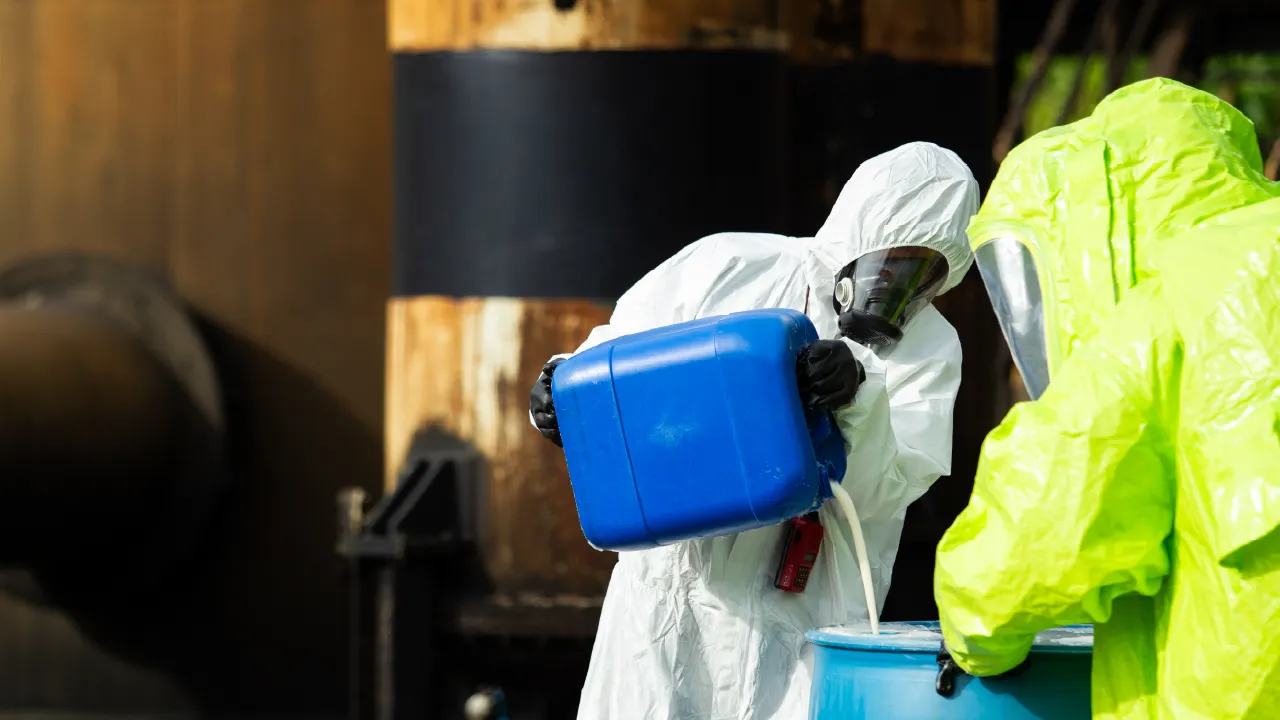
OSHA revised the Hazard Communication Standard, 29 CFR 1910.1200, on May 20, 2024, bringing it in line with Revision 7 of the Globally Harmonized System. The deadline for employers to meet the new requirements is November 20, 2026.
What Is Actually Due
Three things, all of them for substances rather than mixtures, and all of them under 1910.1200(j)(2)(ii):
Workplace Labels
Any alternative labeling you use in-house under paragraph (f)(6) has to reflect the new hazard classifications. This covers the containers your own people fill and label, not the ones that arrive from a supplier.
The Written Program
Paragraph (h)(1) requires a written hazard communication program that describes how you manage chemical hazards. If the classifications changed, the document that describes them is out of date.
Training
Paragraph (h)(3) requires additional training on newly identified hazards. Handing out a revised SDS binder does not satisfy this. Workers have to be trained on the new classifications and label elements, and you have to be able to show the date, the topics, and who attended.
Your Suppliers Already Made the Changes
Chemical manufacturers, importers and distributors had until May 19, 2026 to update labels and safety data sheets for substances. That deadline has passed, which means the documents you need should already be in the building.
If they are not, that is the first thing to chase. You cannot reclassify your workplace labels against safety data sheets you never received.
Then Comes a Quiet Change
Through the transition, employers have been allowed to comply with the 2012 standard, the 2024 standard, or both. For substances, that option closes on November 20.
Mixtures run on a separate clock. Manufacturers have until November 19, 2027, and employers until May 19, 2028. Starting that review early is easier than running two deadlines at once.
One more reason to take the date seriously: hazard communication was the second most frequently cited OSHA standard in fiscal year 2026, with 1,961 citations. It was second the year before that too. Inspectors know this standard well, and a written program that still describes the old classifications is a visible, documentable gap.


NEED SITE-SPECIFIC SAFETY SUPPORT?
Get expert on-site training and consulting from NASP.
Related Posts
Chemical Incidents Aren’t Getting More Common. They’re Getting Deadlier.
11.16.2026 Current Events
Last Call to Update Your HazCom Program
11.16.2026 Compliance
Big Trouble in Big Trenches
11.16.2026 Current Events
Explore Our Live and Online Safety Courses
Learn at your own pace online or join an instructor-led live training session.