

The Pressure Behind the Packages

Amazon has built one of the most advanced logistics networks in the world. Millions of packages move through their warehouses every day, powered by sophisticated automation, aggressive delivery timelines, and a workforce expected to maintain relentless speed. But recent reporting from The Guardian has once again placed the company’s warehouse conditions under intense scrutiny, raising serious questions about whether productivity demands are coming at the expense of worker safety.
Current and former employees described environments where pressure to maintain performance quotas often overshadowed concerns about injuries and fatigue. Workers reported physically demanding conditions, repetitive tasks, and concerns that injuries were not always handled appropriately. Labor advocates and workplace safety experts argue that the company’s culture of constant productivity creates an environment where employees may feel discouraged from slowing down, even when their health is at risk.
A System Built for Speed

At the center of the debate is Amazon’s highly structured productivity system. Employees are often measured by scanning rates, picking speeds, and fulfillment targets that are monitored in real time. Supporters argue that these systems create efficiency and consistency across operations. Critics argue that they can also create intense pressure that leaves workers little room to recover physically or work at a sustainable pace.
Warehouse employees interviewed in recent investigations described exhaustion, repetitive motion injuries, and concerns about retaliation or disciplinary action if productivity goals were not met. Some workers claimed they felt pressure to continue working through pain rather than risk falling behind performance expectations.
The physical demands of warehouse work are substantial even under normal conditions. Employees may spend long shifts lifting, walking, bending, reaching, and repeating the same movements thousands of times each day. In environments where speed is heavily emphasized, the risk of strains, sprains, and repetitive stress injuries can increase significantly.
The Human Cost of High Productivity
The concerns surrounding Amazon are not entirely new. The company has faced years of criticism over injury rates inside its warehouses, particularly during periods of rapid expansion and heightened consumer demand. Federal regulators, labor organizations, and lawmakers have repeatedly questioned whether warehouse employees are being pushed beyond safe physical limits.
For many workers, the issue goes beyond physical exhaustion. Employees interviewed in recent reports described stress, anxiety, and fear surrounding their ability to maintain demanding production targets. Some workers expressed concerns that reporting injuries or requesting additional recovery time could negatively affect their standing within the company.
These concerns reflect a larger challenge facing many industries that rely heavily on production metrics and efficiency tracking. As companies compete to move products faster and meet growing consumer expectations, employees often carry the physical burden of maintaining that pace.
Can Safety and Speed Coexist?
Amazon has consistently defended its safety efforts, pointing to investments in robotics, wellness initiatives, ergonomic improvements, and injury prevention programs. The company has also stated that it continues to expand employee safety training and workplace education programs designed to reduce incidents across its facilities.
Still, critics argue that training alone cannot fully address workplace risks if employees continue to feel pressured to prioritize speed over personal well-being.
Workplace safety experts often point to training as an important part of the solution. Employees who understand ergonomic risks, proper lifting techniques, repetitive motion hazards, and injury reporting procedures are often better prepared to recognize problems before they become serious. Supervisors also play a critical role in reinforcing safe practices and responding appropriately when concerns are raised.
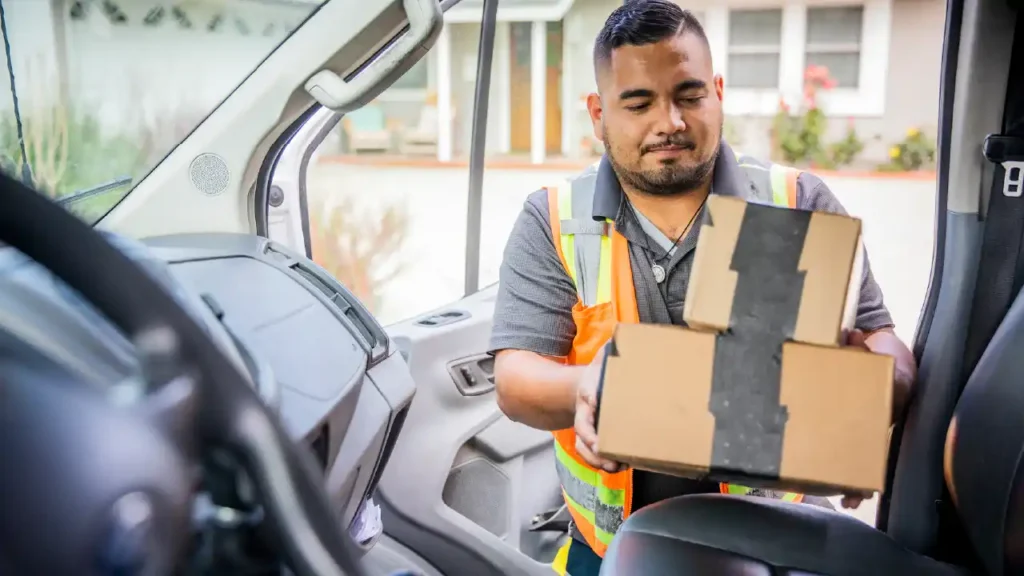
However, many advocates believe meaningful improvement requires more than updated training materials. They argue that companies must also evaluate productivity expectations, staffing levels, break policies, and workplace culture to ensure safety remains a genuine priority rather than a secondary concern.
A Growing National Conversation
The scrutiny surrounding Amazon’s warehouses reflects a broader national conversation about the future of work in high-speed industries. Consumers increasingly expect same-day or next-day delivery, but the demands required to meet those expectations often remain invisible to the public.
Technology continues to transform logistics and fulfillment operations, yet the physical realities faced by warehouse employees remain impossible to ignore. The challenge for companies moving forward will be finding a balance where innovation, efficiency, and worker safety can successfully coexist.
For employers across every industry, the conversation serves as an important reminder that operational success should never come at the expense of employee well-being.


PREVENT MUSCULOSKELETAL INJURIES
Earn your Workplace Ergonomics Specialist certificate.
Related Posts

The Hearings Are Over. The Standards Aren’t.
09.18.2026 Compliance
The Same Explosion, Eleven Years Apart: A Closer Look at the Brent Industries Incident
09.18.2026 Current Events
Both Employers Had Already Been Told. The Combined Fines Came to $860,628.
09.18.2026 Current Events
Explore Our Live and Online Safety Courses
Learn at your own pace online or join an instructor-led live training session.