

Preparing for OSHA’s Next Wave of Enforcement
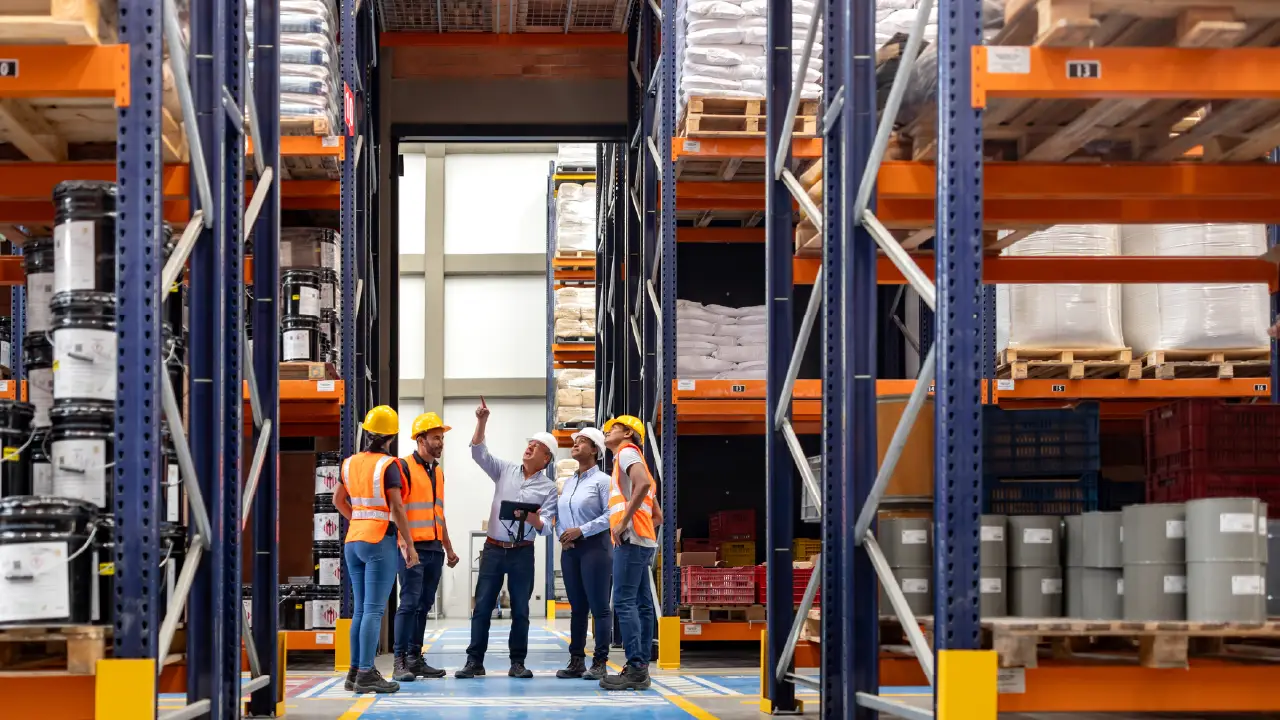
Workplace safety enforcement is expected to remain a top priority in 2026, with OSHA continuing targeted inspections in high-risk industries such as construction, manufacturing, warehousing, and logistics. Federal agencies are signaling that employers should prepare for closer scrutiny, stronger accountability, and a greater emphasis on preventing serious injuries before they happen.
Enforcement Is Increasing, Not Slowing
Recent reports indicate OSHA plans to continue aggressive enforcement efforts through expanded inspections and focused attention on industries with elevated injury rates. Warehousing operations, heat exposure risks, machine guarding, fall protection, and hazard communication are expected to remain major enforcement priorities in the coming year.

For employers, this means safety cannot be treated as a checklist exercise. Regulatory compliance is important, but simply meeting the minimum OSHA requirements may not be enough to protect workers or avoid costly incidents.
Training Creates Safer Workplaces
One of the most effective ways to reduce injuries and improve compliance is through ongoing, high-quality worker training. Employees who understand hazards, emergency procedures, equipment operation, and site-specific risks are more prepared to make safe decisions in the field.
Training should go beyond annual refresher courses or basic onboarding. Companies that invest in continuous education often see stronger safety cultures, fewer incidents, and improved employee confidence. Practical, scenario-based training can help workers recognize risks before accidents occur.
Employers should also ensure supervisors are trained to identify unsafe conditions early and reinforce safety expectations consistently across all job sites.
Going Beyond Compliance
The strongest safety programs are proactive rather than reactive. Organizations that lead in worker protection typically exceed OSHA minimum standards by:
- Conducting frequent job hazard analyses
- Offering specialized safety certifications
- Holding regular toolbox talks and safety meetings
- Encouraging employee participation in safety planning
- Using near-miss reporting to identify trends before injuries occur
- Updating training as regulations and workplace conditions evolve
A culture focused on prevention demonstrates that worker wellbeing is a business priority, not just a regulatory obligation.
Protecting those who matter most

As enforcement efforts continue to expand, employers should view this moment as an opportunity to strengthen their safety programs. Investing in comprehensive training and proactive hazard prevention not only reduces legal and financial risk but also protects the people who keep operations running every day.
The companies best positioned for 2026 will be those that treat safety as an ongoing commitment. Strong training programs, engaged leadership, and a focus on continuous improvement can help organizations create safer workplaces while staying ahead of evolving OSHA expectations.


NEED SITE-SPECIFIC SAFETY SUPPORT?
Get expert on-site training and consulting from NASP.
Related Posts

The Hearings Are Over. The Standards Aren’t.
09.18.2026 Compliance
The Same Explosion, Eleven Years Apart: A Closer Look at the Brent Industries Incident
09.18.2026 Current Events
Both Employers Had Already Been Told. The Combined Fines Came to $860,628.
09.18.2026 Current Events
Explore Our Live and Online Safety Courses
Learn at your own pace online or join an instructor-led live training session.