

Supreme Court Maintains OSHA’s Authority, Declines Allstates Refractory LLC Challenge
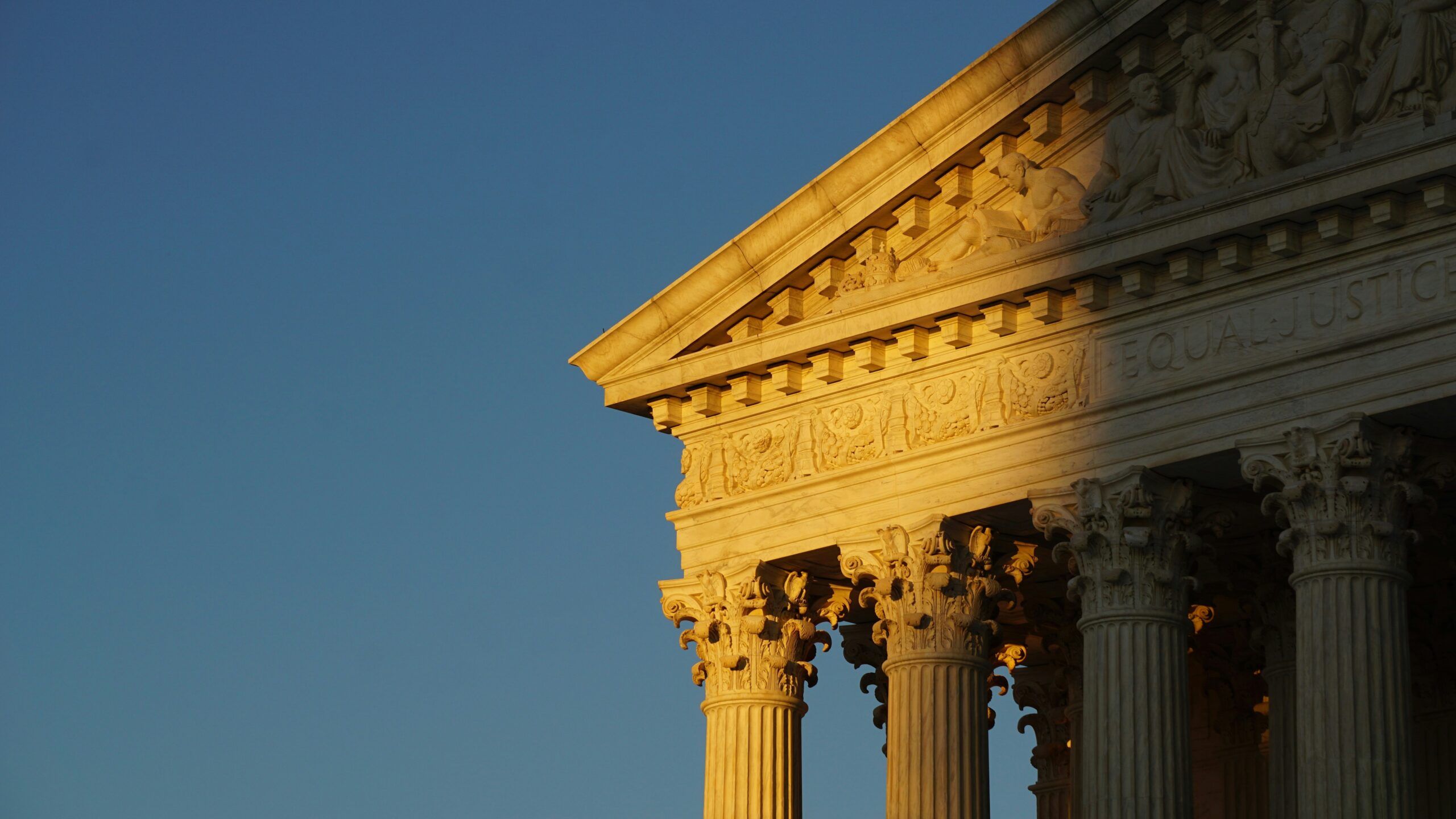
On July 2, 2024, the Supreme Court declined to hear a challenge by Ohio-based construction contractor Allstates Refractory LLC, which could have significantly weakened the Occupational Safety and Health Administration (OSHA). The case, backed by Republican-led states and anti-regulatory groups, argued that Congress unconstitutionally delegated its legislative powers to the executive branch by granting OSHA the authority to set and enforce workplace standards.
Background of the Case
Allstates Refractory LLC, a company providing furnace services to the glass, metal, and petrochemical industries, claimed that OSHA’s authority to regulate workplace safety was an overreach of executive power. The challenge was supported by Justices Clarence Thomas and Neil Gorsuch, who publicly stated they would have taken up the case. Justice Thomas emphasized that evaluating the constitutionality of OSHA’s authority was an “undeniably important” question worth addressing.
Legal and Political Support
The company was represented by Don McGahn, former White House counsel under President Trump, and received backing from 23 Republican state attorneys general and various libertarian legal groups. These supporters aimed to curtail the “administrative state” following recent Supreme Court rulings that favored conservative and anti-regulatory positions.
Supreme Court’s Decision
Despite the support from Justices Thomas and Gorsuch, the Supreme Court issued a brief order declining to hear the case, thereby upholding the lower court’s decision to reject the challenge. This refusal maintains OSHA’s current authority but signals that the question of delegating legislative powers to federal agencies remains unresolved and could be subject to future legal challenges.
Implications for Workplace Safety
The Supreme Court’s decision to decline the case preserves the status quo, allowing OSHA to continue setting and enforcing workplace safety standards. However, the ongoing debate over the constitutionality of such delegations suggests that future challenges could arise, potentially impacting the stability of current workplace safety regulations.
For now, OSHA’s authority remains intact, ensuring continued protection for workers across various industries. Employers must continue to comply with established safety standards, and OSHA will maintain its role in safeguarding workplace environments.
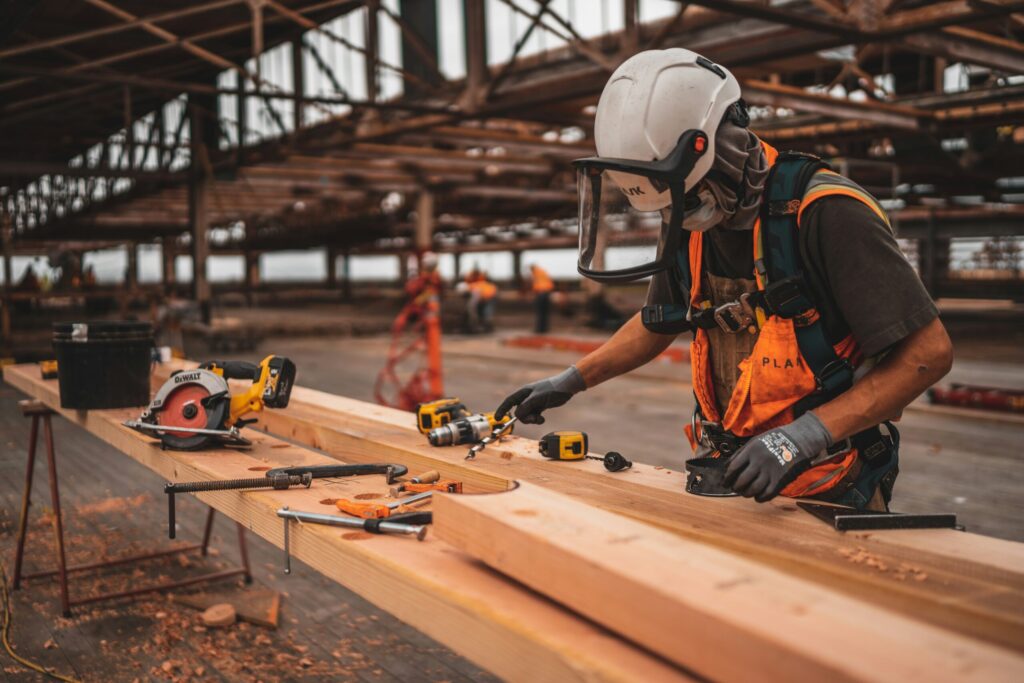
OSHA isn’t going anywhere… Yet.
The Supreme Court’s refusal to hear the Allstates Refractory LLC challenge reaffirms OSHA’s authority to regulate workplace safety. This decision supports the ongoing enforcement of safety standards, crucial for protecting workers’ health and well-being. However, the possibility of future challenges to federal agency powers indicates that the legal landscape surrounding workplace safety regulations may continue to evolve. For now, OSHA remains a key player in ensuring safe working conditions across the nation.
Related Posts
OSHA’s FY2026 Top 10 Looks Exactly Like Last Year’s. September’s Citations Show Why.
10.07.2026 Current Events
OSHA’s New Overdose Guidance Wants Naloxone Stored Next to Your AED
10.07.2026 Compliance
Two Valves, Six Minutes, $95 Million: The CSB’s Final Report on the Shell Monaca Explosion
10.07.2026 Current Events
Explore Our Live and Online Safety Courses
Learn at your own pace online or join an instructor-led live training session.