

OSHA’s New Overdose Guidance Wants Naloxone Stored Next to Your AED
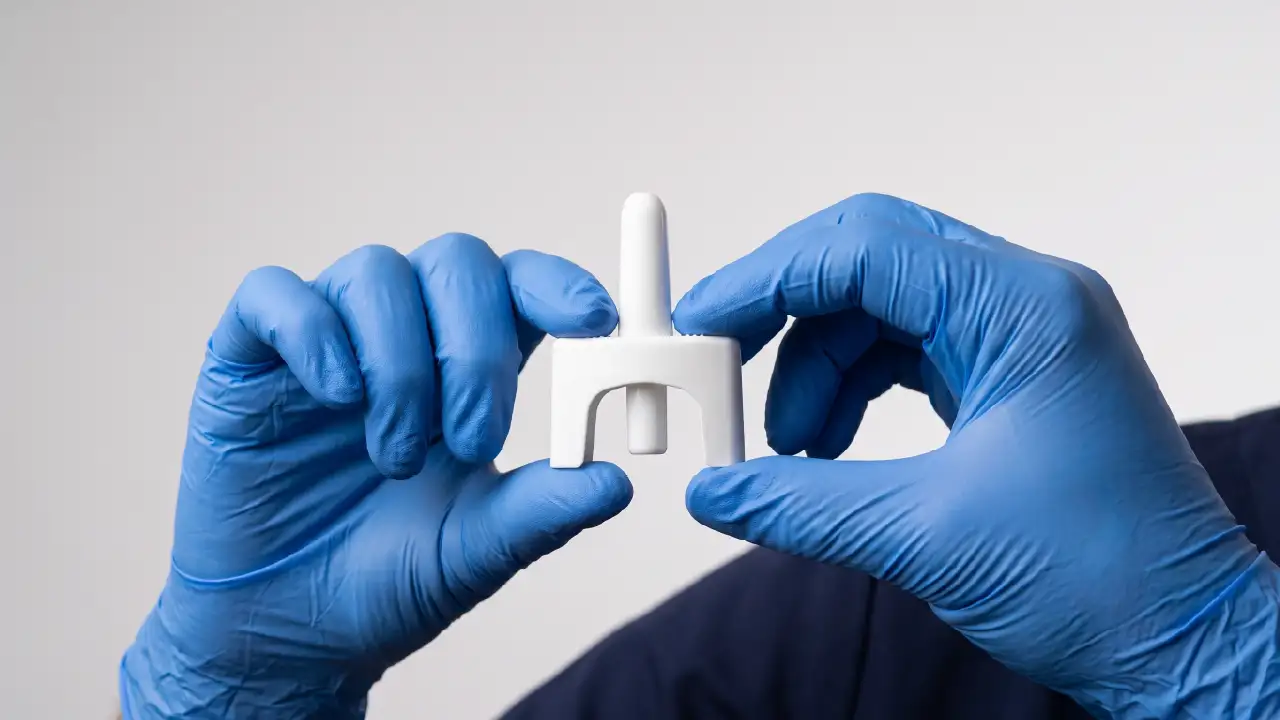
On September 24, 2026, OSHA published a fact sheet called “Opioid Overdose Rescue with Reversal Medications,” issued under the federal Great American Recovery Initiative. It’s a short document with a narrow argument: overdoses happen at work, the window to act is small, and the response doesn’t require a medical professional.
What It Asks For
Keep FDA-approved reversal medications on hand. Naloxone and nalmefene are the two named, available as a nasal spray or an injection. Both work by knocking opioids off receptors in the nervous system so the person starts breathing normally again. They also have essentially no effect if no opioids are present, which answers the objection most people raise first: that an untrained coworker might use one on somebody who doesn’t need it.
Store the kits the way you store first aid supplies. Visible, reachable, no key required. OSHA’s comparison is to an AED, and it’s the right one. A kit in a locked supervisor’s office is a kit nobody uses.
Teach people the signs. Breathing that’s slowed or stopped, blue lips or skin, pinpoint pupils, no response.
Teach people the steps. Give the medication, position the person so the airway stays clear, stay with them.
The Part Programs Get Wrong
Call 911 every time, immediately, even if the person wakes up and seems fine.
Reversal medications wear off, usually somewhere between 30 and 90 minutes. Someone who looks recovered can slide back into respiratory arrest after the crew has gone back to work. The medication buys time for professional care to arrive. It isn’t the end of the emergency, and a program written as though it is will fail at exactly the wrong moment.
Guidance, Not a Standard
Nothing here is enforceable. OSHA hasn’t created a requirement, and no inspector is going to cite an empty cabinet.
That matters for how you pitch it internally. Sell it as a compliance deadline and someone will check, find out it isn’t one, and trust you less next time. The honest case is the one that got AEDs into buildings before anyone required them: cheap equipment, short training, and a failure mode where a bystander could have saved a life and didn’t know how.
For scale, the CDC counted 44,564 opioid-related overdose deaths in the United States in 2025, across every industry and every shift.
Where to Start
Check your state law first. Access rules, standing orders, and liability protections for people administering the medication vary quite a bit from state to state. Then place the kits using your AED logic, and find training; plenty of local health departments, nonprofits, and community organizations run it free. Last, write the response into your emergency action plan. Programs that live in one person’s head leave when that person does.


Ready to advance your career?
Unlock exclusive NASP member benefits.
Related Posts

OSHA’s FY2026 Top 10 Looks Exactly Like Last Year’s. September’s Citations Show Why.
10.07.2026 Current Events
OSHA’s New Overdose Guidance Wants Naloxone Stored Next to Your AED
10.07.2026 Compliance
Two Valves, Six Minutes, $95 Million: The CSB’s Final Report on the Shell Monaca Explosion
10.07.2026 Current Events
Explore Our Live and Online Safety Courses
Learn at your own pace online or join an instructor-led live training session.