

Reinforcing Safety with Design
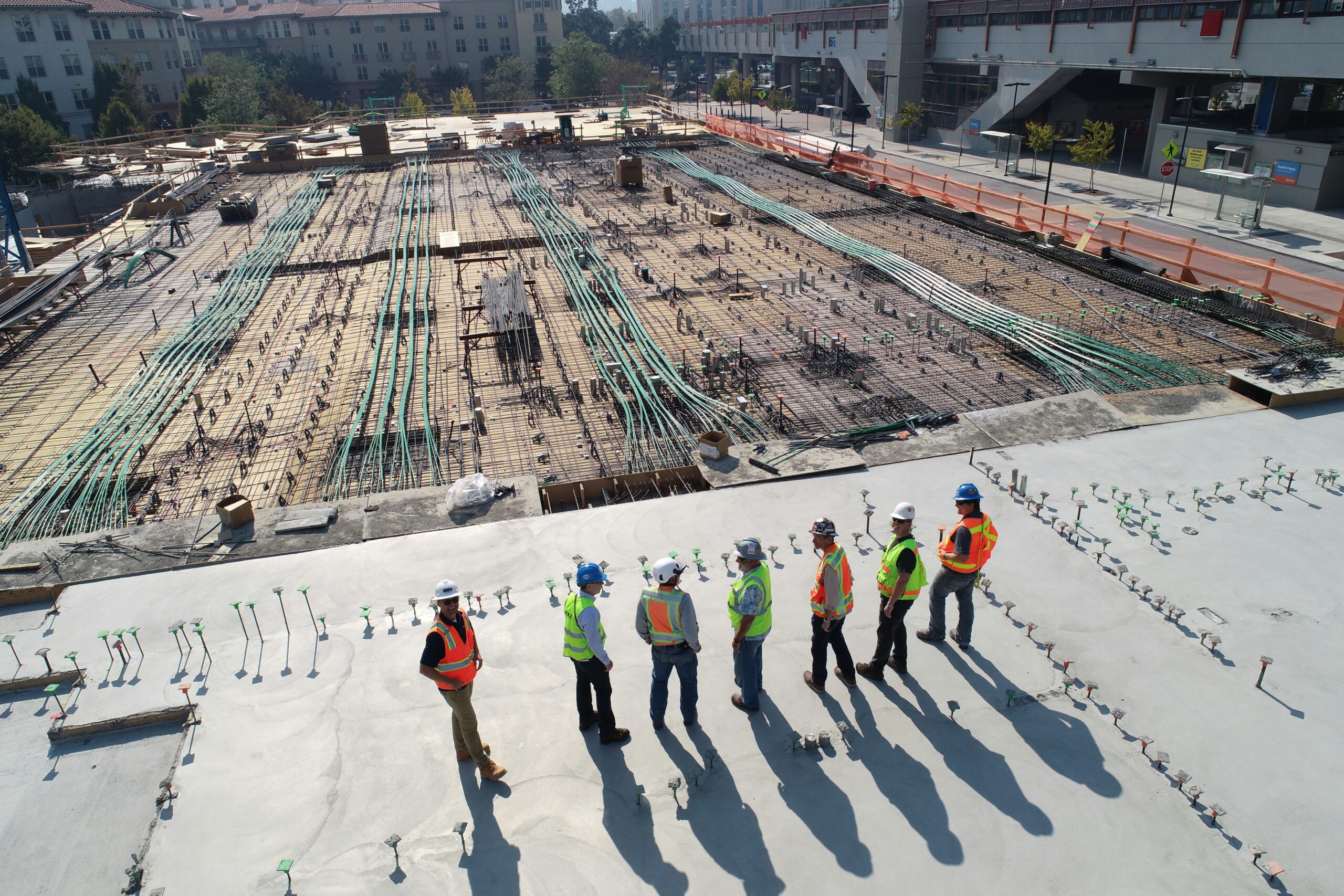
When it comes to construction projects, from design-build condos to built-to-suit warehouses, ensuring the highest level of safety is paramount. Despite safety being a core value in the construction industry, the risk of serious injuries or fatalities remains significant. Construction workers face life-threatening dangers daily, ranking fourth on the United States Bureau of Labor Statistics’ list of occupations with the highest fatality rates.
Given this heightened risk, it is crucial for every team member—from subcontractors to superintendents—to take responsibility for safety compliance. This involves empowering others to be accountable not only for their actions but also for the safety of those around them. Safety leaders are now emphasizing the integration of safety standards into every aspect of a building’s design. While this approach necessitates comprehensive planning and strategizing upfront, its goal is to mitigate hazards before they arise.
Conduct an Initial Risk Assessment
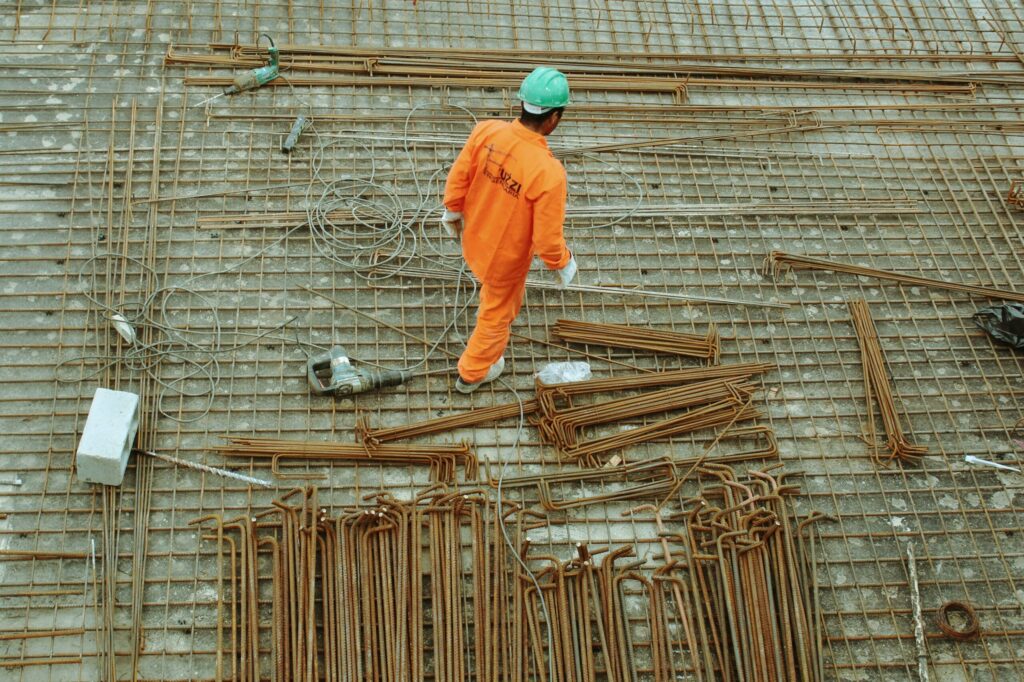
Each construction site is unique, with specific layouts, materials, and processes necessary for functionality during and after construction. Therefore, a detailed risk assessment must be conducted before any design or building activities commence. This initial assessment should consider the overall flow of people, processes, and equipment on or near the construction site.
Develop Site-Specific Safety Plans
The initial risk assessment lays the foundation for developing site-specific safety plans. A well-developed plan, tailored to the distinct needs and requirements of each job site, allows the team to understand, identify, and address potential safety issues. Such a plan should include project procedures and safety guidelines, clearly defined roles and responsibilities, PPE requirements, mandatory training programs, audit and inspection details, an emergency response plan, and reporting requirements. This proactive approach demonstrates a company’s commitment to making safety a top priority and promotes compliance, thereby minimizing the likelihood of serious accidents.
Reinforce Fall Protection Solutions
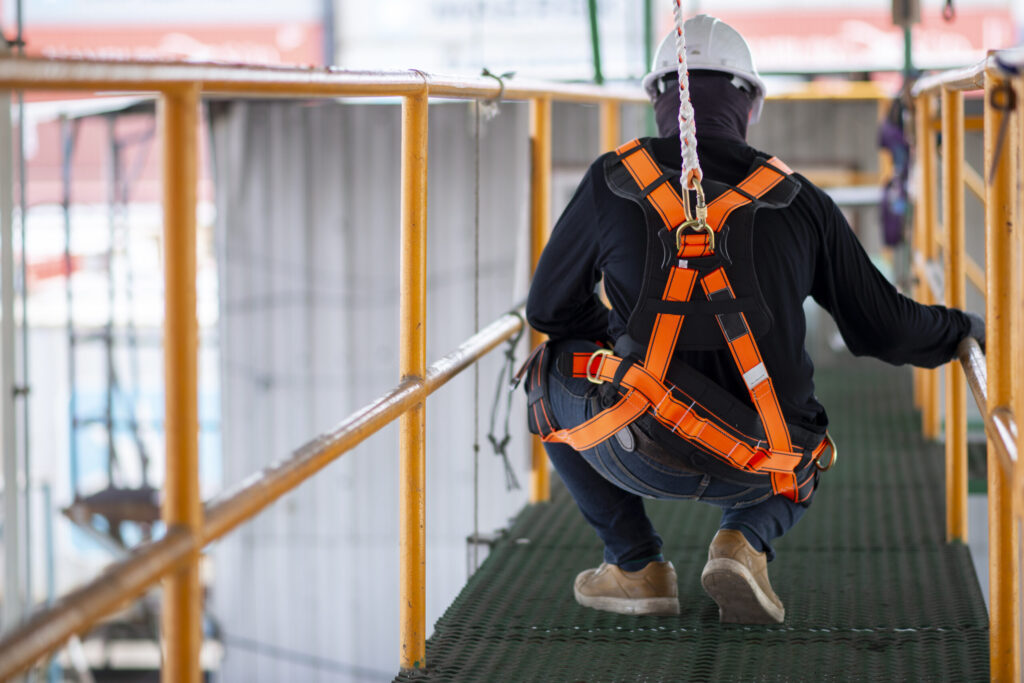
Falls are the leading cause of work-related injuries and deaths on construction sites, according to OSHA. Thus, fall protection standards are crucial when planning a project focused on safety. Tools like guardrails, handrails, safety nets, harnesses, toe-boards, and floor hole covers are essential in preventing fall-related injuries or fatalities. Implementing fall protection solutions not only safeguards workers but also boosts their confidence, leading to increased efficiency and productivity.
Select High-Quality, Durable Building Materials
Certain building materials pose significant health and safety risks to construction workers and future occupants. Materials containing toxic components can increase the risk of flammability, chemical exposure, and other severe health complications. Investigating the potential hazards of each material used in a project—from paints and adhesives to doors and windows—is essential. Additionally, choosing durable, high-quality materials that withstand adverse weather conditions and environmental changes can reduce the frequency of maintenance, thereby decreasing opportunities for worker accidents and injuries.

Safety as a Core Design Element
Enhancing safety on construction sites is an ongoing priority for industry leaders and frontline workers alike. By ingraining a safety-focused mindset into every project phase, from procurement to design, construction projects can ensure a culture where safety is a shared, non-negotiable value. When safety is a key design element, both the project and the workers benefit, fostering an environment where safety guides each aspect of the work from preconstruction to closeout and beyond.
By implementing these strategies, construction projects can significantly improve safety standards, ultimately protecting workers and enhancing overall project outcomes.
Related Posts
OSHA’s FY2026 Top 10 Looks Exactly Like Last Year’s. September’s Citations Show Why.
10.07.2026 Current Events
OSHA’s New Overdose Guidance Wants Naloxone Stored Next to Your AED
10.07.2026 Compliance
Two Valves, Six Minutes, $95 Million: The CSB’s Final Report on the Shell Monaca Explosion
10.07.2026 Current Events
Explore Our Live and Online Safety Courses
Learn at your own pace online or join an instructor-led live training session.