

No Falling Down on the Job: Walking-Working Surfaces Rule Update
The Occupational Safety and Health Administration implemented a final rule which updated its general industry Walking-Working Surfaces standards specific to slip, trip, and fall hazards (29 CFR 1910, subparts D and I). The rule also included a new section under the general industry Personal Protective Equipment standards that establishes employer requirements using personal fall protection systems (29 CFR 1910, subpart I). Most of these new standards had professionals scratching their head asking, “What does all of this mean?”
The Long and Short of It
The new ruling applies to ALL general industry workplaces and covers ALL walking-working surfaces, including surfaces such as floors, stairs, roofs, ladders, ramps, scaffolds, elevated walkways, and fall protection systems.
Provisions
Changes in the regulations allow employers to choose from a vast array of accepted fall protection systems. This change allows the elimination of guardrails as the primary fall protection method and empowers employers to be flexible with determining which method works best under their specific work conditions. The refreshed provisions now dictate the requirements for performance, inspection, use and maintenance for personal fall protection systems. Gone are the days that general industry has to refer to the outdated GI Scaffolding standards. Under the more relevant construction scaffolding standards, employers can now choose from a variety of fall protection options.=
The Clock is Ticking
When released, some regulations were implemented immediately, while others were given a more relaxed timeline. The compliance date is looming for the implementation of fall protection on existing and newly installed fixed ladders. On November 19th of this year, all new or existing fixed ladders of more than 24 feet must have some sort of fall protection installed, which may include cages or wells. However, the costs associated with implementing cages or wells may be frivolous, as all cages and wells must be replaced with personal fall protection systems by 2036, so it is important to weigh all available options when retrofitting existing ladders.
Stay Ahead of OSHA’s Walking-Working Surfaces Requirements
OSHA’s updated Walking-Working Surfaces rule reshaped how general industry addresses slip, trip, and fall hazards—introducing new flexibility in fall protection methods while raising expectations for inspection, performance, and training. With compliance deadlines for fixed ladders and personal fall protection systems already in motion, understanding your options isn’t just helpful—it’s essential.
NASP’s Walking-Working Surfaces and Fall Protection Specialist (WWS) course breaks down the revised standards in clear, practical terms. You’ll learn how to identify hazards, select appropriate fall protection systems, understand fixed ladder requirements, and apply best practices that keep your workforce compliant and protected.
Don’t wait until a citation—or a fall—forces action. Enroll today and gain the knowledge to confidently navigate OSHA’s updated fall protection standards.
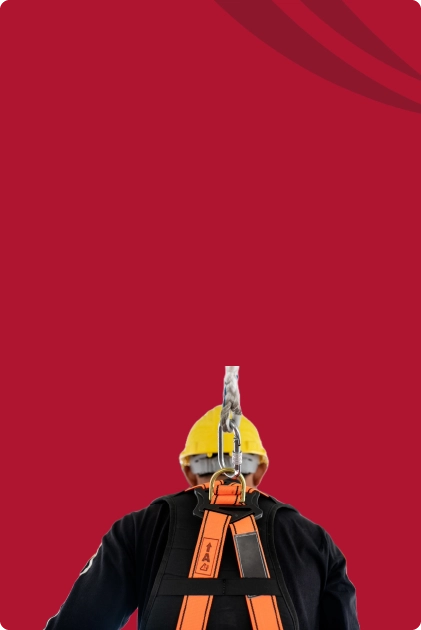

PREVENT SLIPS, TRIPS, & FALLS
Check out our online Walking-Working Surfaces and Fall Protection Specialist course!
Related Posts
OSHA’s FY2026 Top 10 Looks Exactly Like Last Year’s. September’s Citations Show Why.
10.07.2026 Current Events
OSHA’s New Overdose Guidance Wants Naloxone Stored Next to Your AED
10.07.2026 Compliance
Two Valves, Six Minutes, $95 Million: The CSB’s Final Report on the Shell Monaca Explosion
10.07.2026 Current Events
Explore Our Live and Online Safety Courses
Learn at your own pace online or join an instructor-led live training session.