

Lithium-Ion Batteries: The Hidden Workplace Fire Risk (and What to Do About It)

Lithium-ion batteries quietly power more of your workplace than ever—cordless tools, radios, laptops, cleaning equipment, e-bikes and scooters, material-handling equipment, backup power systems, and larger energy storage systems (ESS). That convenience comes with a very specific hazard profile: when a lithium-ion battery fails, it can enter thermal runaway, a chain reaction that generates extreme heat, flammable gases, toxic smoke, and sometimes explosions. OSHA notes that thermal runaway can lead to fires and explosions and recommends employers plan for these battery-specific emergencies rather than treating them like ordinary combustibles.
Why lithium-ion battery incidents are different
A key challenge is that lithium-ion battery fires can reignite after they appear to be extinguished, and they can release large volumes of flammable and toxic gases. Fire safety groups, like NFPA, emphasize that these batteries can fail from damage, overheating, improper charging, manufacturing defects, or exposure to incompatible conditions, often with little warning until the event escalates. If your workplace stores or charges batteries in bulk (tools, spares, returned packs, or warehouse inventory), your risk multiplies: more batteries means more potential heat release, more smoke, and more complex incident control.
Where the workplace risk shows up most often
You don’t need a giant battery room to have a serious problem. Common high-risk setups include:
- Ad-hoc charging “corners” in offices, maintenance shops, breakrooms, or near exits
- Bulk storage of spare packs in cardboard boxes or on open shelving
- Charging damaged packs because “it still works”
- Mixed charging (wrong charger, wrong pack, daisy-chained power strips)
- ESS installations that lack clear spacing, ventilation, or fire protection integration
For larger ESS and industrial battery systems, standards and testing methods (like UL’s thermal runaway propagation evaluation) exist specifically to characterize how failures spread and inform safer designs and installations.
Early warning signs your team should never ignore
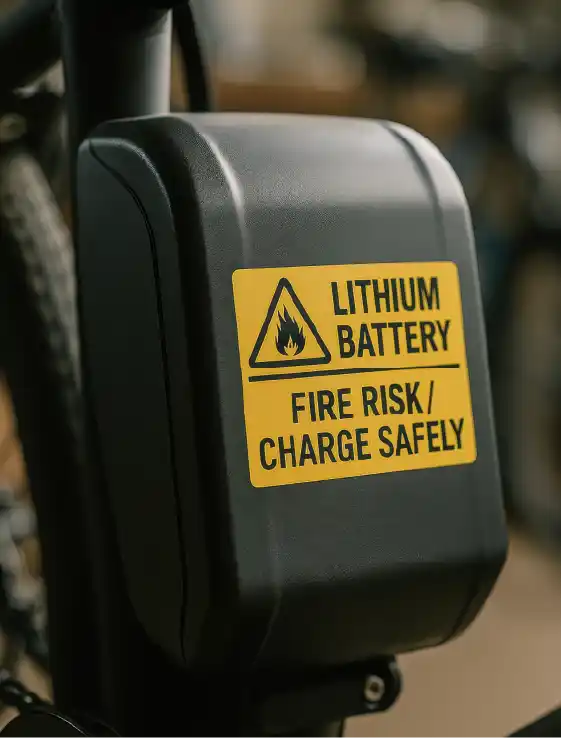
Train supervisors and employees to treat these as “stop work” indicators:
- Battery swelling/bulging, cracked casing, or deformation
- Hissing, popping, or venting
- Hot to the touch during charging or normal use
- Odor (sweet/solvent-like) or visible vapor
- Charger/power supply overheating, scorch marks, or melted connectors
NIST researchers have even explored using sensors (including acoustic signals) to detect pre-failure behavior, an example of where monitoring tech is headed.
Practical controls you can implement now
OSHA’s guidance points to a layered approach: follow manufacturer instructions, store batteries appropriately, limit quantities, and incorporate lithium-specific response procedures in your Emergency Action Plan.
For a deeper dive on the science and hazards (useful for training content), the Fire Safety Research Institute’s guide is a solid reference. (FSRI: Lithium-Ion Battery Guide)
The takeaway
Lithium-ion batteries aren’t going away; they’re becoming the default power source at work. The safest organizations treat them like a regulated hazard: controlled charging, controlled storage, trained employees, and a response plan built around thermal runaway realities. A few targeted upgrades now can prevent a “small battery problem” from becoming a full-scale facility incident.
Related Posts

OSHA’s FY2026 Top 10 Looks Exactly Like Last Year’s. September’s Citations Show Why.
10.07.2026 Current Events
OSHA’s New Overdose Guidance Wants Naloxone Stored Next to Your AED
10.07.2026 Compliance
Two Valves, Six Minutes, $95 Million: The CSB’s Final Report on the Shell Monaca Explosion
10.07.2026 Current Events
Explore Our Live and Online Safety Courses
Learn at your own pace online or join an instructor-led live training session.