

Fire Prevention Month: History and 10 Essential Tips for Industrial Workplace Safety
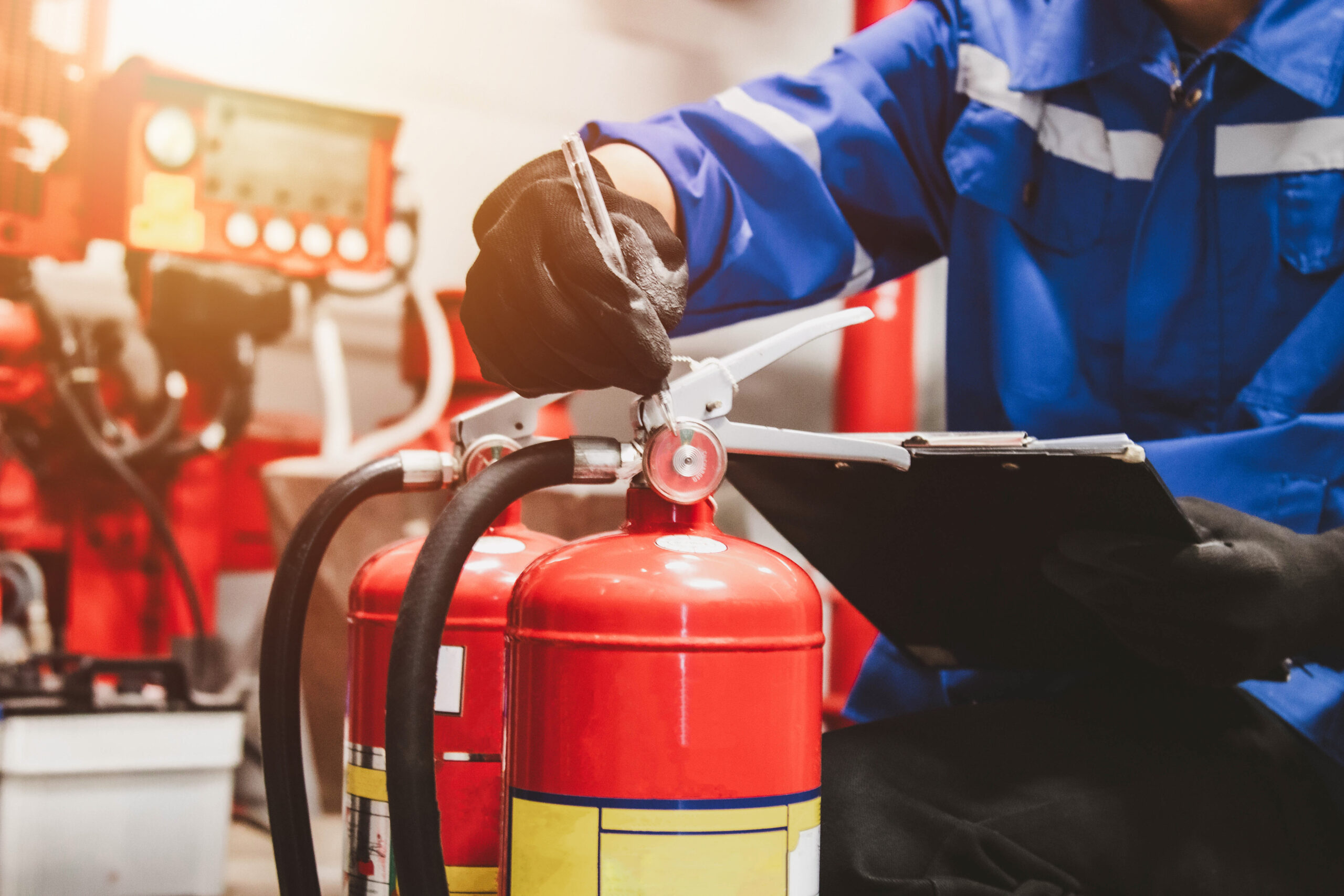
October is Fire Prevention Month, a time dedicated to raising awareness about the importance of fire safety. Its origins trace back to one of the most devastating fires in U.S. history, the Great Chicago Fire of October 8–10, 1871. That disaster destroyed over 3.3 square miles of the city, left 100,000 people homeless, and claimed the lives of an estimated 300 individuals.
In 1925, President Calvin Coolidge issued the first National Fire Prevention Week proclamation, aligning it with the anniversary of the Chicago fire. Since then, every U.S. president has followed suit, emphasizing the importance of fire prevention and education. Today, many organizations extend these efforts throughout the entire month of October, using the occasion to highlight modern strategies for reducing fire risks.
While Fire Prevention Month often focuses on schools and homes, the lessons are equally critical — and in many ways more urgent — for industrial workplaces, where heavy machinery, hazardous materials, and complex processes create unique fire hazards. This October presents the perfect opportunity for safety managers and industrial leaders to evaluate and enhance their fire safety programs.
10 Tips for Enhancing Fire Safety in Industrial Workplaces
- Conduct a Fire Hazard Audit
Regularly assess your facility for potential risks, including combustible dust, flammable liquids, and ignition sources. An audit can uncover gaps in ventilation, storage, and housekeeping before they escalate into hazards. - Implement a Hot Work Permit System
Welding, cutting, and grinding are leading causes of industrial fires. A strict permit system ensures fire watches, shielding, and proper precautions are in place before work begins. - Segregate Flammable Materials
Store flammable liquids and gases in approved containers and fire-resistant cabinets, keeping them at a safe distance from heat sources and electrical panels. Use spill containment and ventilation to reduce risks. - Upgrade Detection and Suppression Systems
Industrial settings often require specialized fire protection, including flame detectors, deluge sprinklers, and foam suppression systems. Regularly test and maintain these systems to ensure reliability. - Use Passive Fire Protection
Compartmentalize large plants with fire-rated walls, doors, and dampers. Segmentation slows the spread of fire and provides more time for a safe evacuation. - Train and Drill Employees
Go beyond basic fire safety. Train workers to handle electrical fires, incidents involving flammable liquids, and gas leaks. Practice realistic evacuation and shutdown procedures. - Maintain Electrical and Mechanical Systems
Prevent overheating and shorts by inspecting wiring, motors, and bearings. Utilize infrared scans and preventive maintenance schedules to identify issues promptly. - Control Combustible Dust
Dust from wood, food, or metals can ignite explosively. Invest in dust collection systems, explosion-rated vacuums, and frequent cleaning. Avoid sweeping, which stirs dust into the air. - Develop Emergency Shutdown Procedures
Document and practice steps to quickly isolate fuel sources, vent process lines, and power down equipment during an emergency. Interlocked systems can help reduce reliance on manual actions. - Keep Egress and Firefighting Access Clear
Ensure exit routes, fire lanes, and hydrants remain unobstructed. Partner with local fire departments by providing them with site tours, maps, and pre-incident response plans.
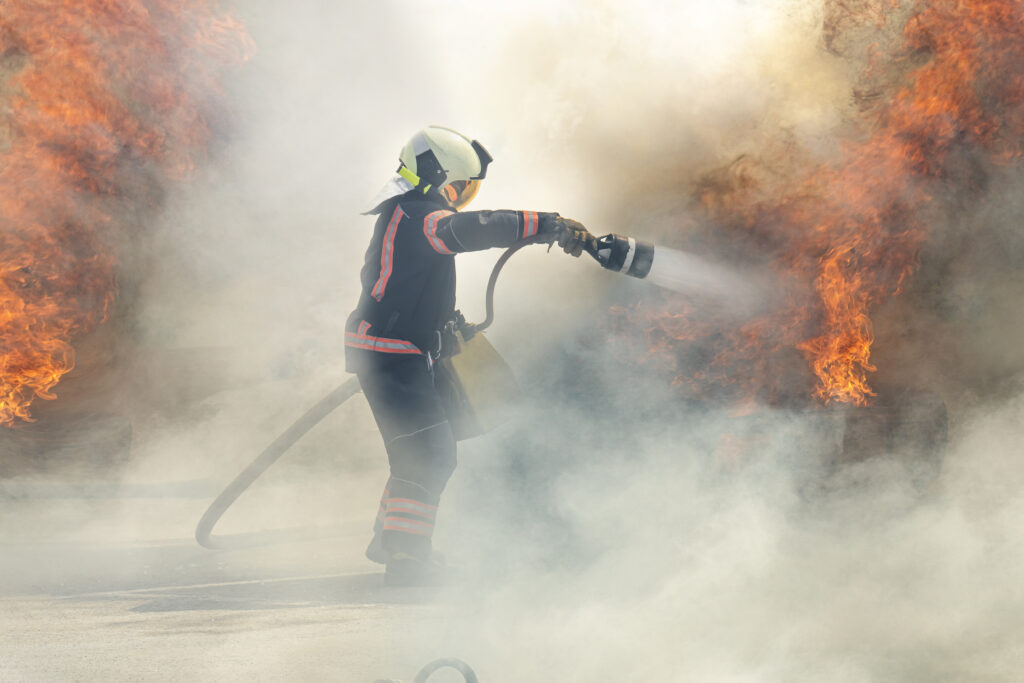
Building a Culture of Fire Safety
Fire Prevention Month is more than a commemoration of past tragedies; it’s a reminder to take proactive steps to protect today’s workers and facilities. In industrial environments, even a small lapse can escalate into a catastrophic event. By using October as an annual checkpoint for fire safety, companies can enhance their preparedness, protect their workforce, and ensure their operations remain resilient.


Interested in fire prevention?
Check out our online Fire Prevention Specialist course!
Related Posts

The Hearings Are Over. The Standards Aren’t.
09.18.2026 Compliance
The Same Explosion, Eleven Years Apart: A Closer Look at the Brent Industries Incident
09.18.2026 Current Events
Both Employers Had Already Been Told. The Combined Fines Came to $860,628.
09.18.2026 Current Events
Explore Our Live and Online Safety Courses
Learn at your own pace online or join an instructor-led live training session.