

A Duty to Have Fall Protection
Duty to have fall protection is the most cited standard in the construction industry and is one of the leading causes of worker deaths in construction. Employers need to do a better job of assessing job sites and implementing fall protection systems to protect workers.
Workers should familiarize themselves with all potential fall hazards on a job site. Never work in an area where fall protection systems have yet to be installed. Workers using personal fall arrest systems should inspect them before each use to ensure they are working properly and are free of damage. The lanyard or lifeline should be short enough to prevent the worker from making contact to a lower level in the event of a fall. This means taking into account the length of the lanyard, length of dynamic elongation due to elastic stretch and the height of the worker.
Employers are required to provide fall protection systems to protect their workers on walking or working surfaces with unprotected edges or sides that are six feet above a lower level. Fall protection can include guardrails, safety net systems and personal fall arrest systems. Guardrails are the only method approved that actually prevents falls from occurring. Safety nets and personal fall arrest systems prevent workers from falling a great distance.
Fall protection includes protecting workers from falling into holes such as elevator shafts and skylights as well as excavations. Employers are also required to protect workers from falling objects by requiring hard hats be worn by workers and by installing toeboards, screens or guardrails, erecting canopies or barricading the area to keep workers out.
Want to learn more about fall protection? NASP has an online Walking-Working Surfaces and Fall Protection course.
Enroll in our Walking-Working Surfaces and Fall Protection Specialist Course
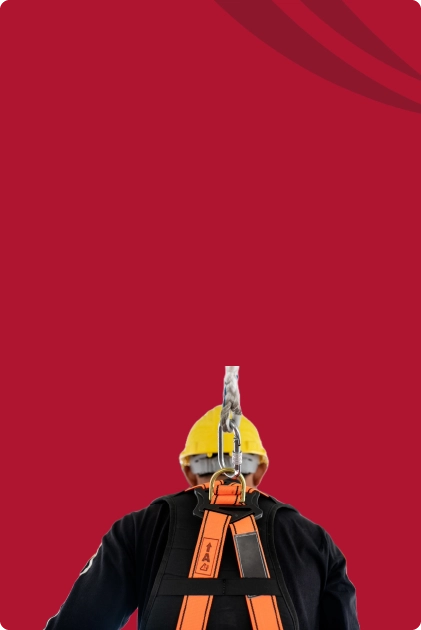

PREVENT SLIPS, TRIPS, & FALLS
Check out our online Walking-Working Surfaces and Fall Protection Specialist course!
Related Posts

The Hearings Are Over. The Standards Aren’t.
09.18.2026 Compliance
The Same Explosion, Eleven Years Apart: A Closer Look at the Brent Industries Incident
09.18.2026 Current Events
Both Employers Had Already Been Told. The Combined Fines Came to $860,628.
09.18.2026 Current Events
Explore Our Live and Online Safety Courses
Learn at your own pace online or join an instructor-led live training session.