

5 Most Effective Safety Controls When It is Finally Time to Re-open
How do you work together when everyone is farther apart? It is the question employers are struggling with in the wake of the coronavirus. While the National Safety Council says 72% of its surveyed member companies are at least partially open, many more employees were forced to work at home or were furloughed. Sometime, they’ll return.
Use Hierarchy of Hazard Controls
Once upon a time, working close together meant assembly lines. With the recent trends toward open office formats, it now means office workers, too. So, just as we use the hierarchy of hazard controls in manufacturing, construction, transportation, etc., use the same hierarchy to return workers to their facilities safely.
The most effective control, elimination, won’t happen until there’s a vaccine in 12 to 18 months. As for the rest of the hierarchy, from more to less effective:
- Substitution: Traditionally, this is replacing hazardous substances with ones that aren’t. For coronavirus, some employees substituted their company offices for working at home. That will continue.
- Engineering: These are physical barriers. In the case of COVID-19, it’s office and cubicle walls. Also included are no-touch fixtures, removing some chairs from conference rooms and eating areas to keep employees six feet apart, and installing sneeze guards in open seating areas.
- Administrative: These controls modify schedules and tasks. Workers can use teleconferencing, emailing and instant messaging rather than face-to-face contact. Reduce the number of visitors to your facility. Rotate employees’ in-office days. In open-seating areas, use every other desk in a diagonal pattern.
- Work practices: Employees should wash their hands with soap more often and use hand sanitizer when washing isn’t convenient. Prop open interior doors so employees don’t have to touch them.
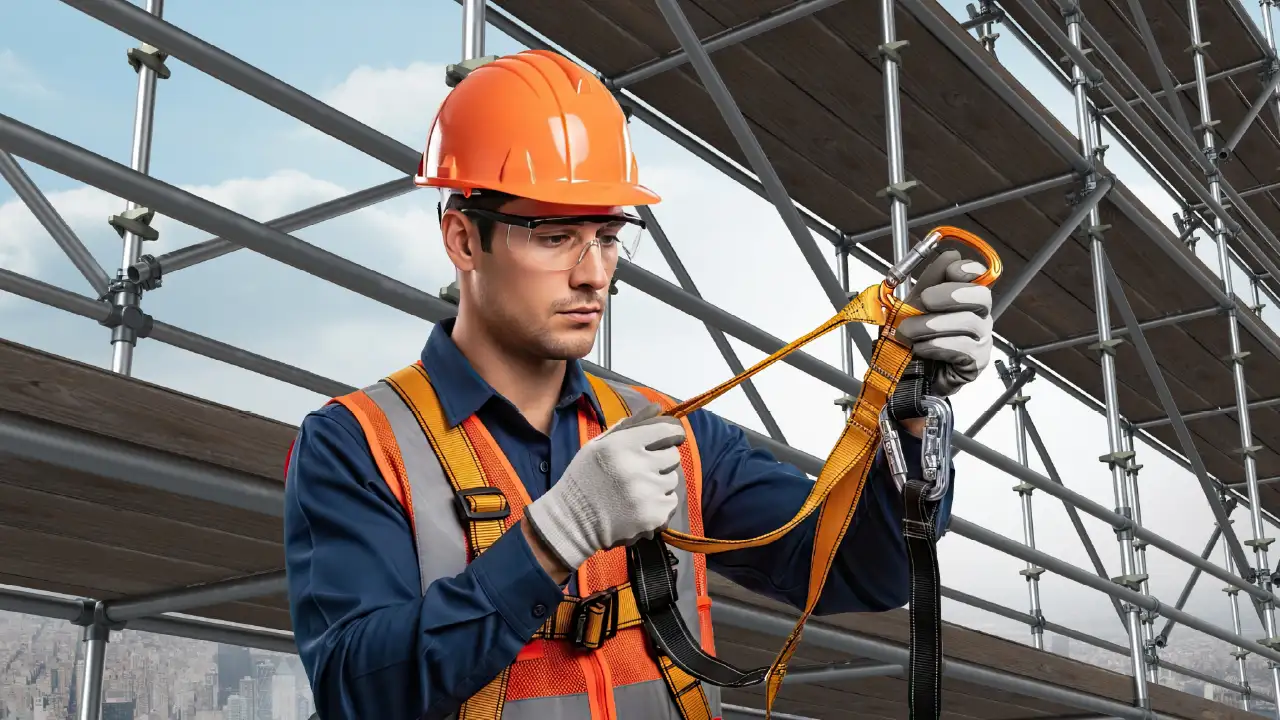
- PPE: Here’s a reminder: This is the least effective type of control. Most companies will use something from all the control categories.
What about recommendations from government about when employees should return? Just as some companies look at OSHA regulations as the bare minimum for safety, the VP for corporate services of computer giant Intel told The Washington Post they are being more conservative than whatever the current local restrictions are.
Related Posts
OSHA’s FY2026 Top 10 Looks Exactly Like Last Year’s. September’s Citations Show Why.
10.07.2026 Current Events
OSHA’s New Overdose Guidance Wants Naloxone Stored Next to Your AED
10.07.2026 Compliance
Two Valves, Six Minutes, $95 Million: The CSB’s Final Report on the Shell Monaca Explosion
10.07.2026 Current Events
Explore Our Live and Online Safety Courses
Learn at your own pace online or join an instructor-led live training session.