

Both Employers Had Already Been Told. The Combined Fines Came to $860,628.

Two federal enforcement actions closed out August, six days and roughly 700 miles apart. Neither involved a hazard the employer had just discovered.
Pennsylvania Brick Manufacturer: $496,528
On August 26, OSHA cited General Shale Brick Inc., operating as Watsontown Brick Company, for three willful, four serious, one repeat, and one other-than-serious violation at its Watsontown, Pennsylvania plant.
Inspectors arrived February 12, 2026 under OSHA’s Site-Specific Targeting plan and its national emphasis program on respirable crystalline silica, along with a review of the company’s injury and illness records. In Plant 3, where molded brick is made, workers breathed silica dust above permissible limits. OSHA found the company knew about the exposure, did not correct it, and did not require respirators.
The supporting findings describe a program that existed mostly on paper: no annual respirator fit testing, no regulated areas established where employees were exposed, no exposure assessment for all silica-involved jobs, and no medical exams for workers exposed more than 30 days a year. A prior fit-testing violation at the company’s Augusta, Georgia site produced the repeat citation.
Wisconsin Food Manufacturer: $364,100 and Three Deaths
On August 20, OSHA cited IPMF LLC, operating as NaturPak, in Janesville, Wisconsin after two incidents involving industrial kettles.
On February 12, 2026, a clogged vent line let pressure build in a kettle. The lid opened unexpectedly, releasing steam, liquid, and organic material onto two nearby employees. One was also struck by an object and suffered a concussion. Both were hospitalized; one later died of complications.
Thirty-four days later, on March 18, a kettle lid opened under pressure again, releasing steam, hot liquid, and organic material onto three workers. Two were fatally injured. One was hospitalized.
OSHA issued a serious citation for kettle design and use creating pressure and thermal burn hazards, serious citations for thermal exposure without quick access to emergency water and for failure to assess PPE for thermal risk, an other-than-serious citation for failing to notify employees working adjacent to permit-required confined spaces, and repeat citations for fall exposure and for failure to develop, document, and use lockout/tagout procedures on the kettles — and to train employees on them. Penalties were $115,850 for the February inspection and $248,250 for the March one.
What Separates These Cases From Ordinary Ones
Willful and repeat classifications turn on knowledge, not hazard severity. Watsontown Brick knew about the silica exposure. NaturPak had a fatal kettle incident and a live OSHA inspection when the second one happened five weeks later.
That gap is the whole story. A company under active federal inspection for a kettle failure did not change the kettle operation enough to prevent an identical failure. Whatever corrective action followed February, it did not reach the equipment before March.


NEED SITE-SPECIFIC SAFETY SUPPORT?
Get expert on-site training and consulting from NASP.
Related Posts
Both Employers Had Already Been Told. The Combined Fines Came to $860,628.
09.18.2026 Current Events
Your Last Incident Investigation Probably Didn’t Change Anything
09.18.2026 Compliance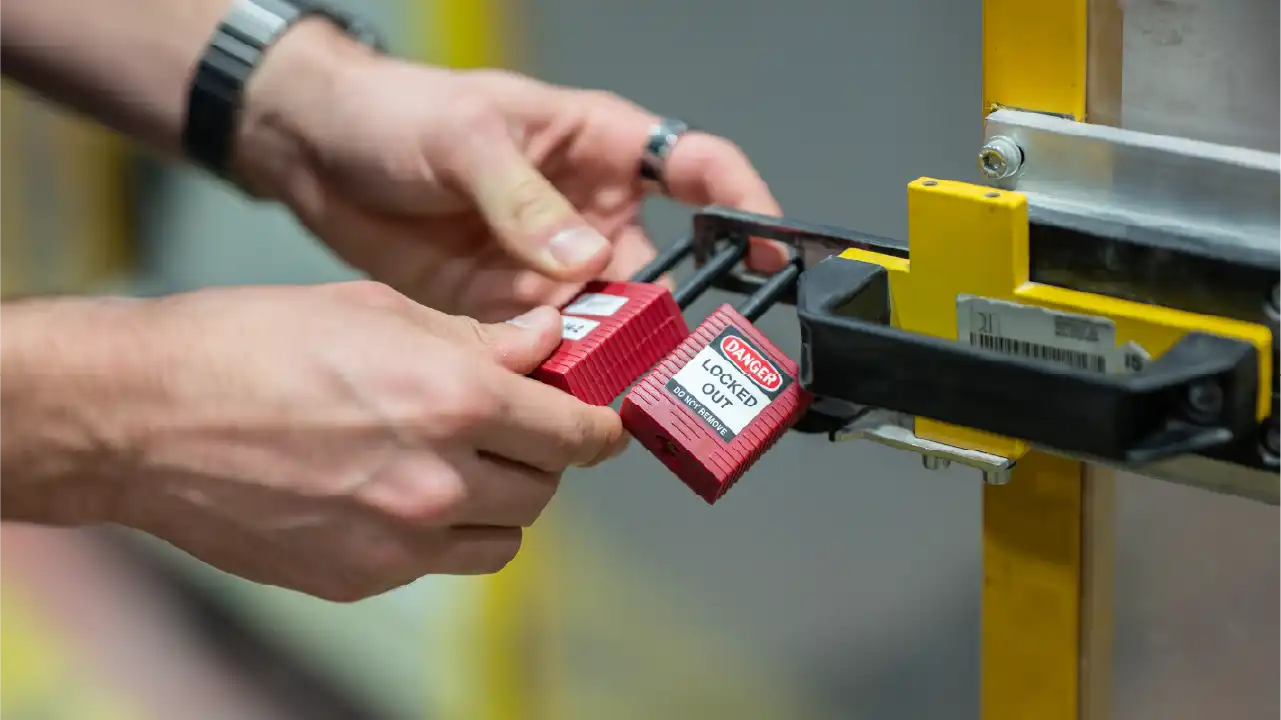
Your Next LOTO Trainer Could Be You
09.18.2026 Live Classes
Explore Our Live and Online Safety Courses
Learn at your own pace online or join an instructor-led live training session.