

Nothing Is Final Yet: OSHA’s Deregulatory Docket Reaches the Hearing Room
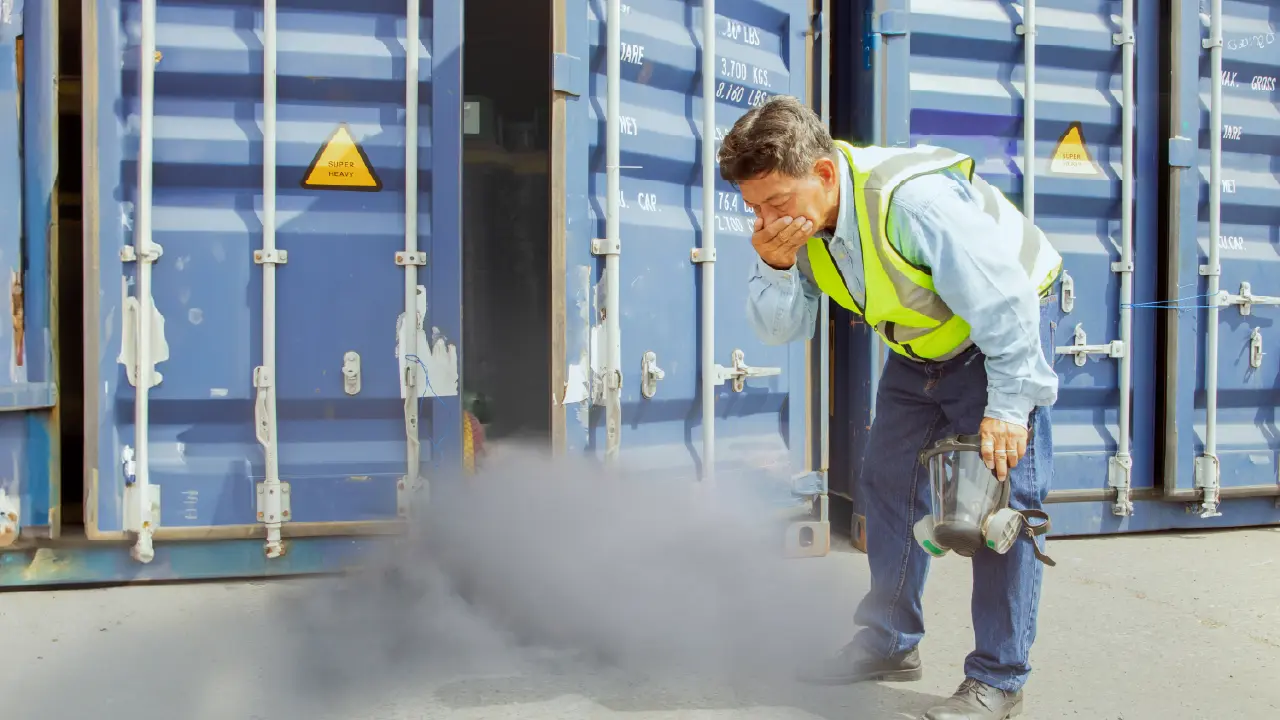
OSHA’s deregulatory rulemaking effort moves into its most visible phase this month. The agency begins a series of informal public hearings on Wednesday, August 19, 2026, at 9:30 a.m. ET, held virtually and continuing on subsequent weekdays. More than twenty proposed rules are on the docket, and this is the point at which the record shaping the final rules is actually built.
What Is Being Considered
The bulk of the proposed changes involve respiratory protection requirements for sixteen different chemical substances. For these substances, OSHA has proposed allowing additional respirator types to be used, which the agency describes as giving employers more flexibility and reducing compliance costs while maintaining worker protection.
A second proposal would remove medical evaluation requirements in the Respiratory Protection Standard for employees required to wear either a filtering facepiece respirator (FFR) or a loose-fitting powered air-purifying respirator (PAPR).
Also on the schedule: compliance deadlines under the Walking-Working Surfaces standard including fixed ladder requirements, the Safety Color Code for Marking Physical Hazards in general industry and shipyard employment, construction illumination requirements, and the agency’s interpretation of the General Duty Clause as applied to inherently risky professional activities.
The proposals were published in the Federal Register on July 1, 2025, with an additional Walking-Working Surfaces proposal on April 6, 2026. They fall under Executive Order 14192, “Unleashing Prosperity Through Deregulation.”
The Broader Regulatory Picture
On July 3, 2026, the Department of Labor published its 2026 Regulatory Plan and the Unified Agenda, providing the clearest timeline the agency has offered in some time. Three dates stand out:
- A Subpoenas interim final rule scheduled for November 2026
- The Emergency Response final rule projected for April 2027
- The Heat Injury and Illness Prevention standard now expected to be finalized in October 2027, with a Supplemental Notice of Proposed Rulemaking anticipated by December 2026
What This Means Right Now
None of these proposals are final, and every existing standard remains fully enforceable. A proposal to change a respirator requirement does not change the requirement. Until a final rule is published, the standard on the books is the standard OSHA will cite.
Heat is the useful illustration. OSHA renewed and expanded its National Emphasis Program on outdoor and indoor heat-related hazards in April 2026, and continues to address heat exposure through the NEP and the General Duty Clause. Employers who concluded heat is unregulated because the rule is unfinished have drawn the wrong conclusion.
Three practical steps: identify where these proposals would intersect your written programs, monitor the hearing record since testimony often signals where the agency will land, and resist relaxing any control early. If a proposal would eventually permit a less stringent practice, waiting costs nothing. Acting now creates citation exposure and removes a protection your workers currently have.


NEED SITE-SPECIFIC SAFETY SUPPORT?
Get expert on-site training and consulting from NASP.
Related Posts

The Hearings Are Over. The Standards Aren’t.
09.18.2026 Compliance
The Same Explosion, Eleven Years Apart: A Closer Look at the Brent Industries Incident
09.18.2026 Current Events
Both Employers Had Already Been Told. The Combined Fines Came to $860,628.
09.18.2026 Current Events
Explore Our Live and Online Safety Courses
Learn at your own pace online or join an instructor-led live training session.