

The Critical Importance of Industrial Hygiene in the Workplace
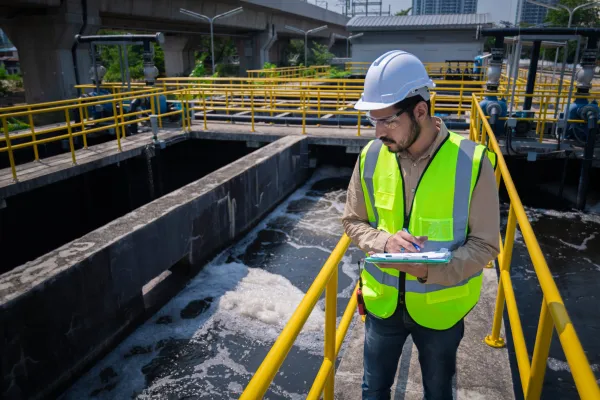
Industrial hygiene is a crucial aspect of workplace safety that often goes unnoticed until something goes wrong. It encompasses the anticipation, recognition, evaluation, and control of environmental factors in the workplace that could cause sickness or impair health among workers. Whether in manufacturing, construction, healthcare, or the nutrition and food industry, maintaining a robust industrial hygiene program is essential to ensuring a safe and healthy work environment.
What is Industrial Hygiene?
Industrial hygiene involves identifying potential hazards in the workplace and implementing measures to control or eliminate them. These hazards can include chemical exposures, airborne contaminants, ergonomic risks, noise, and biological hazards. In industries like nutrition and food production, for example, industrial hygiene plays a critical role in controlling contaminants that could lead to foodborne illnesses, maintaining clean and safe production environments, and ensuring that workers are not exposed to harmful substances.
What Can Happen When Industrial Hygiene is Neglected?
Failing to take industrial hygiene seriously can have dire consequences, as highlighted by a recent incident involving Boar’s Head deli meats. In July 2024, Boar’s Head issued a massive recall of its deli meats after the presence of Listeria monocytogenes, a harmful bacteria, was detected in its products. The recall impacted thousands of products nationwide, posing a serious health risk to consumers and leading to severe illness and six confirmed deaths.
This case illustrates what can happen when proper hygiene protocols are not maintained or enforced. In addition to the immediate health risks, companies also face severe reputational damage, legal consequences, and significant financial losses due to recalls, lawsuits, and fines. The cost of neglecting industrial hygiene far outweighs the investment needed to maintain a safe and healthy workplace.
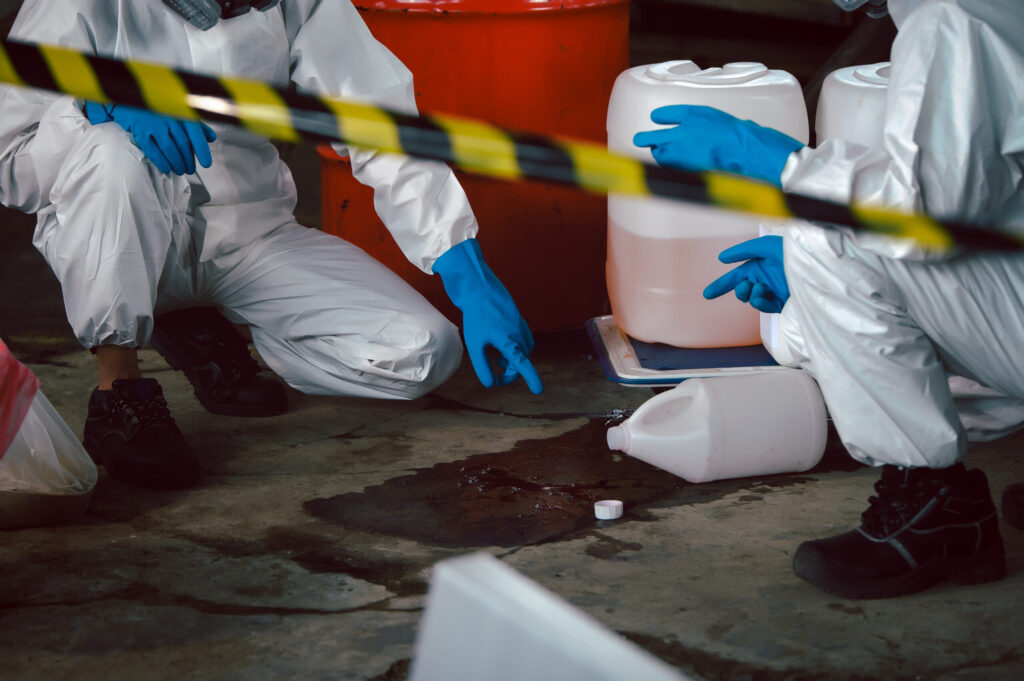
The Benefits of Robust Industrial Hygiene Practices
- Protecting Worker Health
- Ensuring Regulatory Compliance
- Enhancing Workplace Productivity
- Preventing Financial Losses
- How to Implement Effective Industrial Hygiene Programs
Not Just a Regulatory Requirement
Industrial hygiene is more than just a regulatory requirement; it’s a vital component of ensuring a safe and productive workplace. The recent Boar’s Head incident demonstrates the severe consequences that can arise when industrial hygiene practices are overlooked. To help safety professionals stay ahead of these challenges, NASP is excited to offer an online course designed by the American Industrial Hygiene Association (AIHA).
This comprehensive course provides in-depth training on identifying, evaluating, and controlling workplace hazards to prevent illnesses and injuries. NASP customers can access this essential course and enroll today here. Take the next step in safeguarding your workplace and demonstrating your commitment to safety excellence!

Related Posts

OSHA’s FY2026 Top 10 Looks Exactly Like Last Year’s. September’s Citations Show Why.
10.07.2026 Current Events
OSHA’s New Overdose Guidance Wants Naloxone Stored Next to Your AED
10.07.2026 Compliance
Two Valves, Six Minutes, $95 Million: The CSB’s Final Report on the Shell Monaca Explosion
10.07.2026 Current Events
Explore Our Live and Online Safety Courses
Learn at your own pace online or join an instructor-led live training session.