

Silent Killer on the Dairy Floor: How Toxic Gas Claimed Six Lives in Colorado
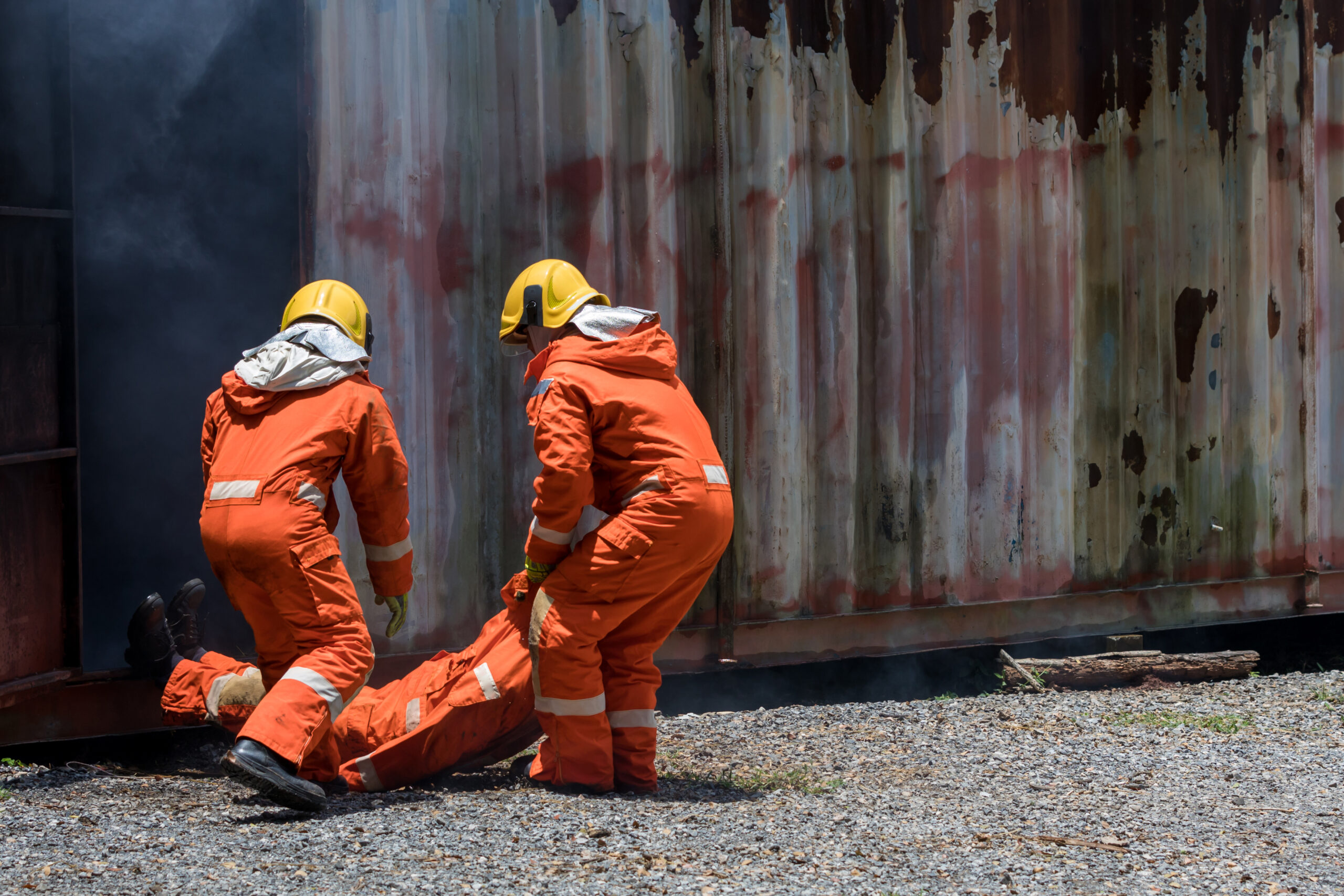
Six workers lost their lives this August at a Colorado dairy after being overcome by toxic gases in a confined space. The tragedy, now under investigation by state and federal officials, is a grim reminder of the invisible dangers that lurk in many agricultural workplaces.
The Day the Air Turned Deadly
The incident took place at Prospect Ranch near Keenesburg, northeast of Denver. Five men and one teenage worker were found unresponsive in a manure-handling area of the large dairy facility. Despite the quick response of emergency crews, all six were pronounced dead at the scene.
Investigators say the workers were exposed to deadly levels of toxic gas in an enclosed or poorly ventilated space used for livestock waste management. The coroner later confirmed that all six deaths were caused by gas inhalation. While the specific gas concentrations have not been released, early findings point toward hydrogen sulfide or a similar byproduct of decomposing organic matter.
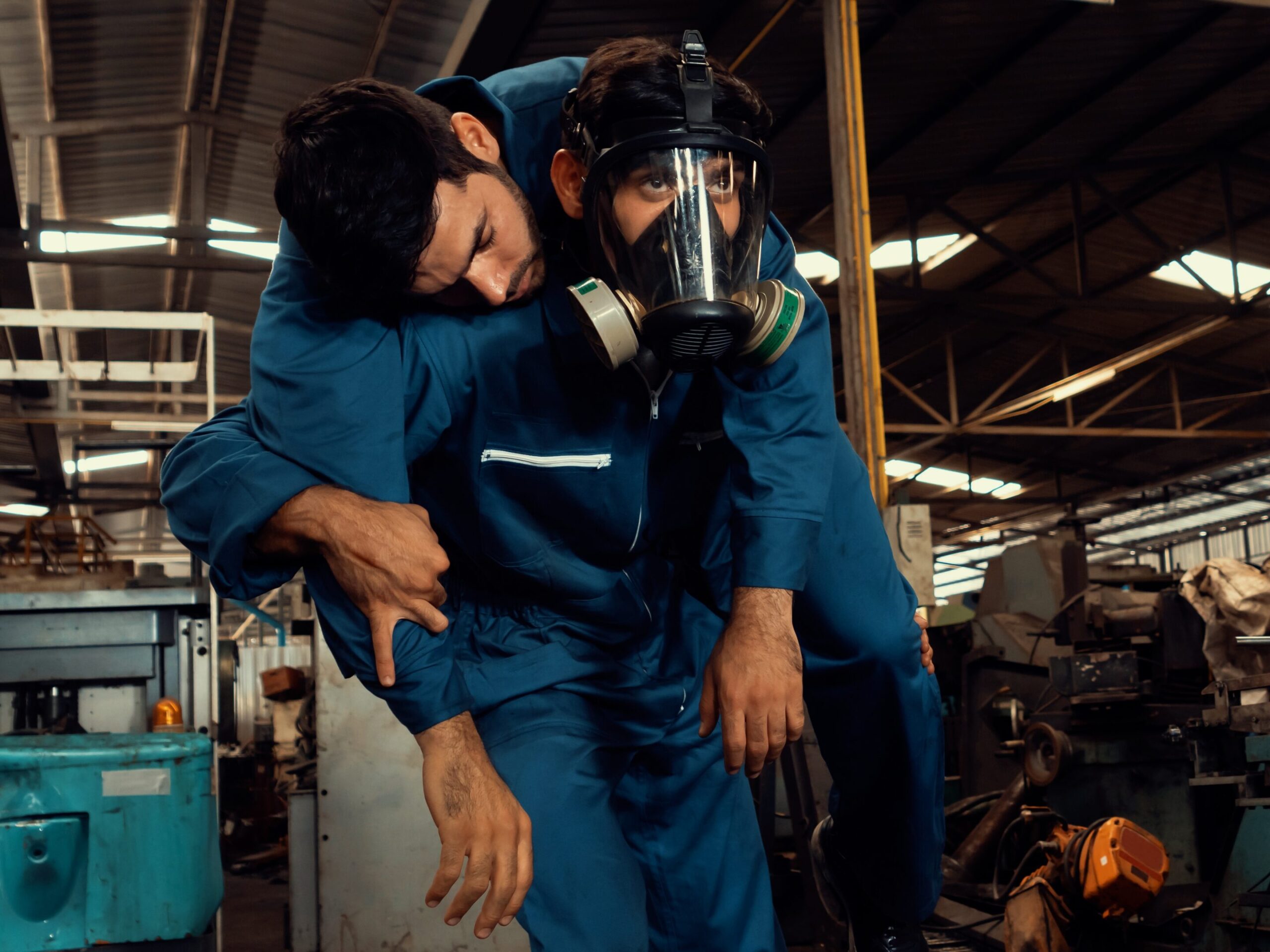
The victims were all employed in routine operations, and the event unfolded in a matter of minutes. Workers entered the area unaware that the air inside had turned lethal. Once one person collapsed, others followed in an attempt to help, creating a devastating chain reaction that left no survivors.
When Rot Becomes Poison
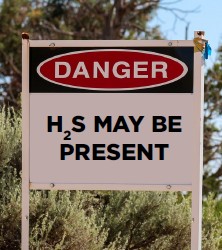
Hydrogen sulfide, often abbreviated H₂S, forms when manure or other organic material breaks down without oxygen. It has a distinctive “rotten egg” smell at low levels, but at higher concentrations it numbs the sense of smell, giving workers no warning of danger.
This gas is heavier than air and settles in low spots such as manure pits, tanks, or sewer lines. Even small doses can cause headaches, nausea, and dizziness. Slightly higher levels can lead to rapid unconsciousness and death.
In agricultural and wastewater settings, H₂S is one of the most common and preventable causes of multiple-fatality incidents. It does not take a catastrophic leak or explosion—just a moment of complacency in a confined space with poor ventilation.
A Familiar Tragedy in a Different Place
The Colorado dairy disaster echoes another fatal event just a few months earlier in Trinity County, Texas, where three workers died inside a manhole after being exposed to hydrogen sulfide from decomposing sewage. One worker lost consciousness after entering the space, and two others followed in an attempt to save him, only to succumb themselves.
Both incidents share the same tragic pattern: toxic gas buildup, a lack of atmospheric testing, and rescue attempts made without proper respiratory protection. In seconds, routine maintenance tasks became deadly emergencies.
Lessons Written in the Air
These incidents highlight a critical truth about workplace safety: the most dangerous hazards are often invisible. Every industry that deals with organic waste or confined spaces faces this risk, yet many employers underestimate how quickly the situation can turn fatal.
What must change?
- Agricultural operations need the same confined-space safety standards long required in industrial settings.
- Workers should be trained to recognize where and how toxic gases form.
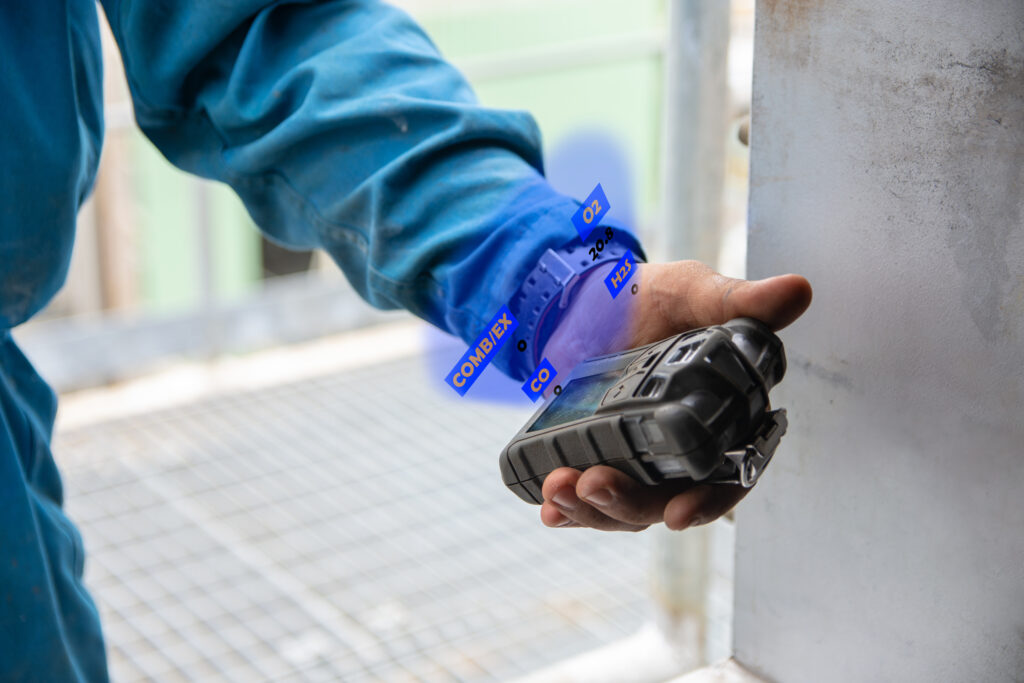
- Gas detectors, ventilation systems, and rescue plans must be treated as life-saving necessities, not optional equipment.
- No worker should ever enter a confined space alone or without knowing the air inside has been tested and declared safe.
Breathing Room for Change
The deaths at Prospect Ranch were not random accidents. They were preventable outcomes of an environment where a silent gas turned a normal workday into tragedy. Hydrogen sulfide continues to claim lives in dairies, wastewater plants, oil fields, and farms across the country.
Safety professionals and employers alike must take this as a call to action. When the air itself becomes the hazard, prevention begins long before anyone steps inside. Ventilation, detection, and awareness are the only defenses against a gas that gives no warning and leaves no second chances.


Interested in confined space safety?
Check out our live Confined Space Entry & Rescue Program Manager course!
Related Posts

The Hearings Are Over. The Standards Aren’t.
09.18.2026 Compliance
The Same Explosion, Eleven Years Apart: A Closer Look at the Brent Industries Incident
09.18.2026 Current Events
Both Employers Had Already Been Told. The Combined Fines Came to $860,628.
09.18.2026 Current Events
Explore Our Live and Online Safety Courses
Learn at your own pace online or join an instructor-led live training session.