

Identifying Potential Sources of Exposure
OSHA standards, including those for personal protective equipment (PPE, 29 CFR 1910.132) and respiratory protection (29 CFR 1910.134), require employers to assess the hazards to which their workers may be exposed.
In assessing potential hazards, employers should consider whether or not their workers may encounter someone infected with COVID-19 in the course of their duties. Employers should also determine if workers could be exposed to environments (e.g., worksites) or materials (e.g., laboratory samples, waste) contaminated with the virus.
Depending on the work setting, employers may also rely on identification of sick individuals who have signs, symptoms, and/or a history of travel to COVID-19-affected areas that indicate potential infection with the virus, in order to help identify exposure risks for workers and implement appropriate control measures.
Related Posts

The Hearings Are Over. The Standards Aren’t.
09.18.2026 Compliance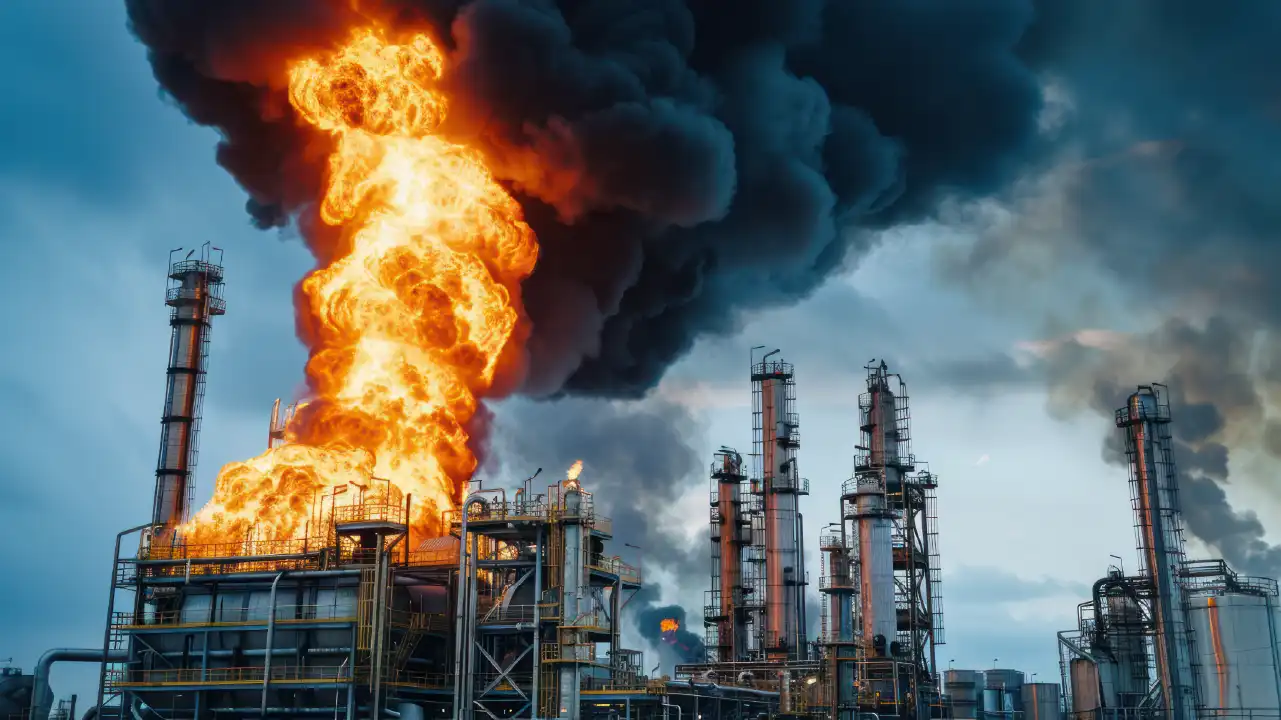
The Same Explosion, Eleven Years Apart: A Closer Look at the Brent Industries Incident
09.18.2026 Current Events
Both Employers Had Already Been Told. The Combined Fines Came to $860,628.
09.18.2026 Current Events
Explore Our Live and Online Safety Courses
Learn at your own pace online or join an instructor-led live training session.