

Choosing the Right PPE: Avoiding Substandard and Fake Products
A Growing Problem with Online PPE
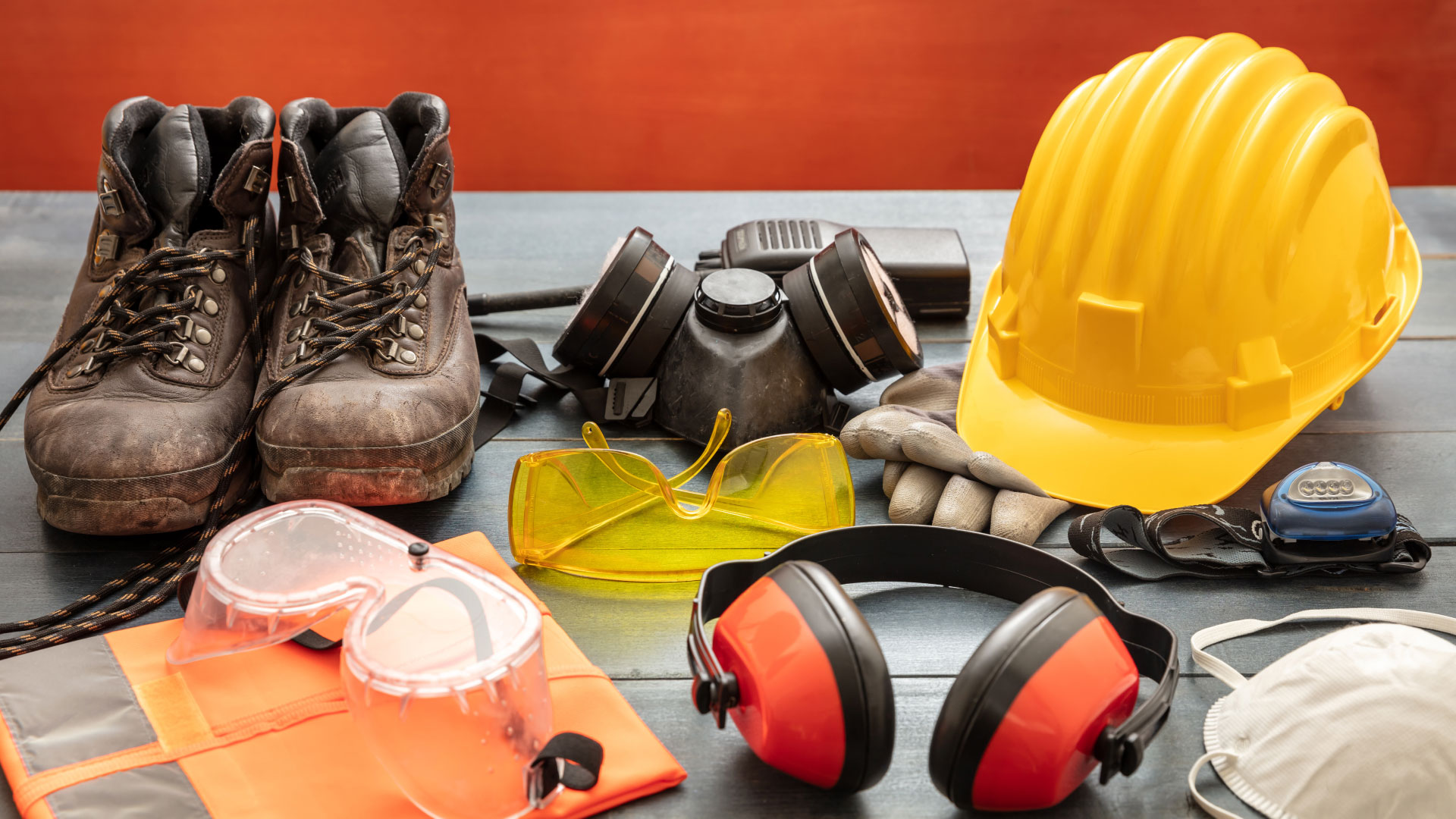
Recent reports have highlighted serious concerns about the sale of substandard personal protective equipment (PPE) online, including through platforms such as TikTok Shop. Several products marketed as “safety shoes,” “safety belts,” and even respirators were recalled in the United Kingdom after failing basic safety tests. Although these recalls were outside the U.S., the issue is relevant here too. Online marketplaces that sell inexpensive, uncertified equipment operate globally, and American workers can easily purchase gear that does not meet U.S. safety standards.
These products often make bold claims—advertising themselves as “anti-smash” or “anti-puncture”—but without proper testing, there is no guarantee they can protect workers from real hazards. Counterfeit or uncertified PPE puts workers at risk of serious injury and can expose employers to liability if it fails during use.
U.S. Standards That Matter
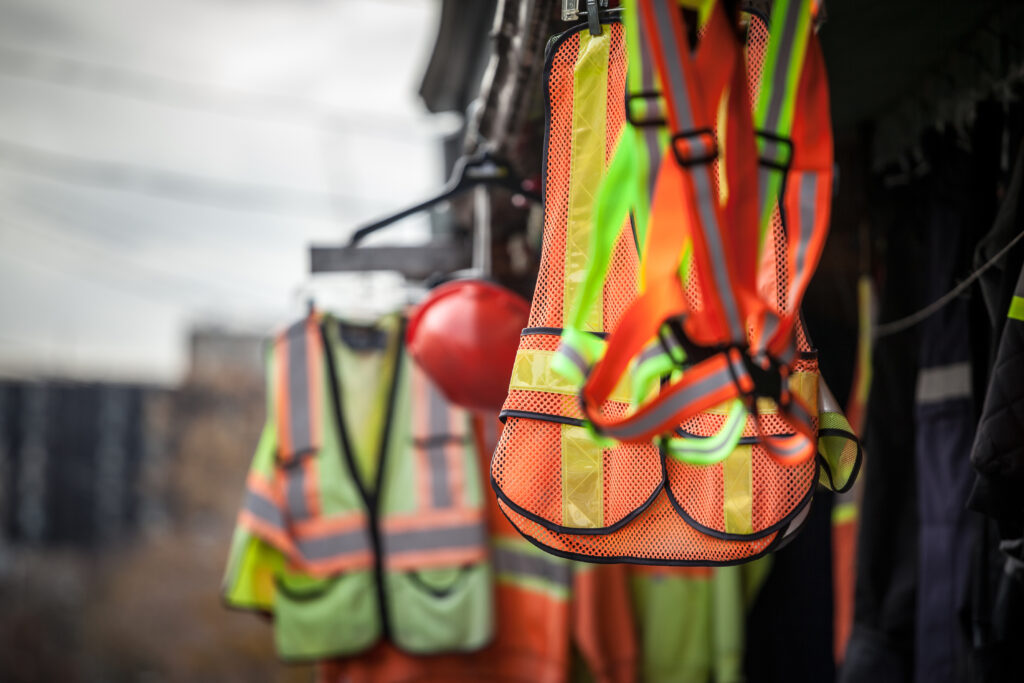
In the United States, PPE is primarily regulated through OSHA standards, with performance testing established by the ANSI (American National Standards Institute) and NIOSH (National Institute for Occupational Safety and Health). These certifications assure that PPE has been evaluated against recognized benchmarks.
- Hard hats should meet ANSI/ISEA Z89.1 for impact resistance.
- Safety footwear should comply with ASTM F2413, covering toe protection, puncture resistance, and slip resistance.
- Eye and face protection should meet ANSI/ISEA Z87.1.
- Respirators must be NIOSH-approved, with clear labeling and certification numbers.
If a product does not reference one of these standards, it should not be trusted for use in the workplace. Employers are ultimately responsible for providing PPE that complies with OSHA’s requirements, even if workers purchase their own gear.
Tips for Selecting the Right PPE
Choosing appropriate PPE starts with understanding the hazards in your workplace. Follow these guidelines:
- Match PPE to the Hazard
Conduct a hazard assessment as required by OSHA. Identify whether workers face risks from impacts, chemicals, noise, heat, or respiratory hazards, and select PPE designed specifically for those exposures. - Verify Certification
Look for ANSI/ASTM markings on equipment and NIOSH approval numbers on respirators. Never assume marketing claims are enough—only third-party testing ensures compliance. - Buy from Trusted Suppliers
Use established safety distributors with documented compliance histories. Avoid buying PPE from unknown vendors on social media platforms or discount websites. - Inspect the Quality
Counterfeit or substandard PPE often shows poor stitching, thin or brittle materials, or labels that look unclear or inconsistent. If the gear appears to be cheaply made, it probably is. - Train Employees
Educate workers on how to identify legitimate certification marks and why it’s unsafe to use uncertified PPE. Empowering employees to recognize red flags helps protect everyone.
Spotting Fake or Substandard PPE
Use this quick checklist before making a purchase:
- Does the item carry the correct ANSI, ASTM, or NIOSH certification?
- Can the supplier provide testing documentation?
- Is the product labeled with the required standard (e.g., ASTM F2413 for footwear)?
- Is the supplier reputable, with verifiable safety credentials?
- Does the equipment appear durable and well-constructed?
If the answer to any of these questions is no, the PPE is not worth the risk.
Final Thoughts
Personal protective equipment is the last line of defense for workers. But PPE only works if it meets the standards it claims to. The recent global recalls of substandard equipment sold online serve as a reminder that counterfeit or uncertified products continue to pose a real danger. By purchasing from trusted suppliers, verifying U.S. certifications, and training employees to recognize potential risks, employers can ensure their teams are properly protected.
Related Posts
Nothing Is Final Yet: OSHA’s Deregulatory Docket Reaches the Hearing Room
08.18.2026 Current Events
A Blocked Stairwell and a Corroded Sprinkler
08.18.2026 Current Events
OSHA Violations Roundup
08.18.2026 Compliance
Explore Our Live and Online Safety Courses
Learn at your own pace online or join an instructor-led live training session.