

New ASTM SIF Standard: What It Means for Internal Injury Reporting
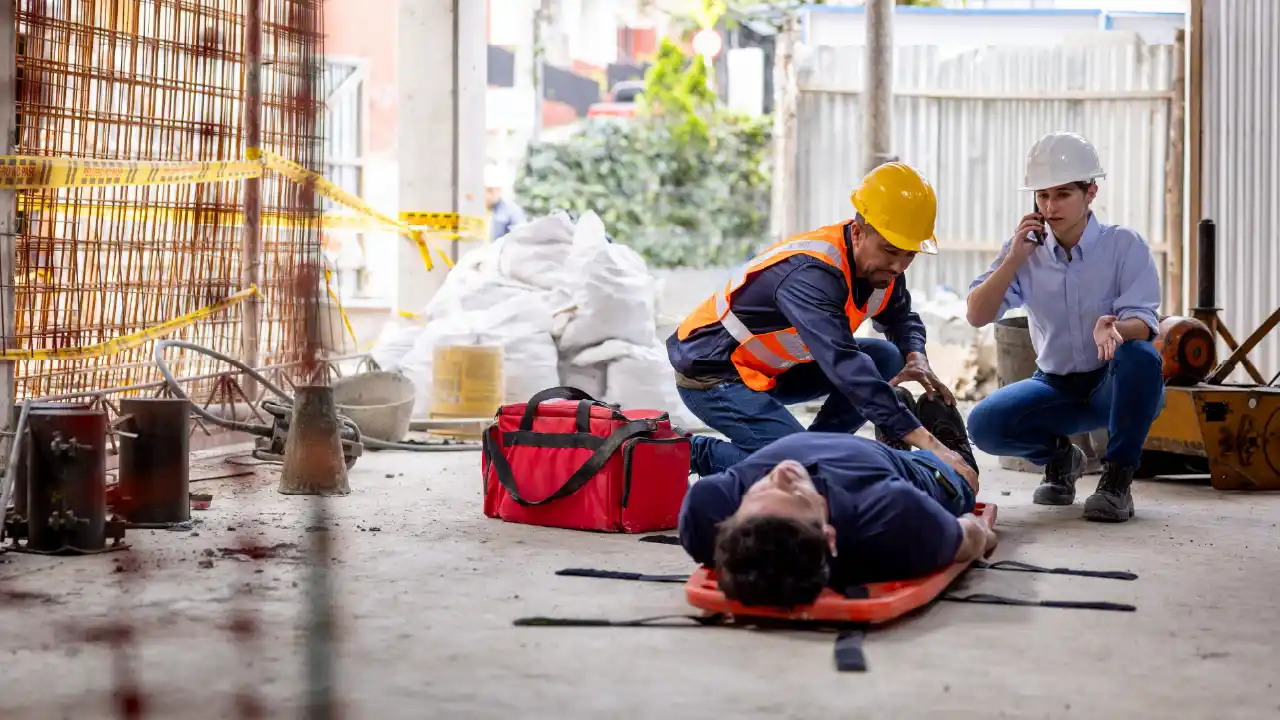
ASTM International recently released ASTM E2920-26, an updated standard that introduces a more structured approach to recording and evaluating workplace injuries, illnesses, and Serious Injury and Fatality (SIF) events. The new standard is designed to help organizations move beyond traditional injury reporting and focus more closely on incidents that have the potential to result in life-altering or fatal outcomes.
For many employers, this represents a significant shift in how workplace incidents are evaluated, investigated, and used to drive safety improvements.
Why the New ASTM SIF Standard Matters
For years, many organizations have relied heavily on OSHA recordable rates and other lagging indicators to measure safety performance. While these metrics remain important, they do not always provide a complete picture of an organization’s exposure to serious hazards.
The ASTM E2920-26 standard emphasizes identifying incidents with Serious Injury and Fatality (SIF)
potential, even when no serious injury actually occurs. This approach encourages employers to focus on the severity of what could have happened, not just the final outcome.
For example, a dropped tool from an elevated work platform may not result in an injury. Under traditional reporting methods, it might be categorized as a near miss. Under the new ASTM framework, the event could be classified as having SIF potential if the circumstances could have resulted in a life-threatening or fatal injury.

The Four Incident Classification Levels
The standard establishes four classification levels to help organizations consistently evaluate workplace incidents:
Level 1: SIF Actual / Fatality
- Incidents resulting in fatal injuries.
- Designed to be benchmarkable across organizations and industries.
Level 2: SIF Actual / Serious Injury or Illness
- Incidents involving life-threatening or life-altering injuries or illnesses.
- Considered key performance indicators for safety management systems.
Level 3: Minor Injury or Near Miss with SIF Potential
- Events that did not result in a serious injury but had the potential to do so.
- These incidents provide valuable insight into serious risk exposures before a catastrophic event occurs.
Level 4: Non-SIF Potential Incident
- Incidents that do not involve significant SIF risk.
- Typically lower-consequence events that still warrant evaluation and corrective action.
A Shift Toward Serious Injury and Fatality Prevention
One of the most important concepts introduced by the standard is the distinction between actual SIF events and potential SIF (pSIF) events. The goal is to identify and address high-risk exposures before they result in a serious injury or fatality.
ASTM notes that organizations should focus on identifying conditions, hazards, and system failures that create SIF risk, rather than relying solely on injury outcomes. This proactive approach helps organizations strengthen controls, improve investigations, and identify recurring exposure trends.

What Employers Should Do Now
As organizations begin evaluating the new standard, there are several practical steps employers can take to prepare:
1. Review Incident Classification Processes
Evaluate your current injury and near-miss reporting procedures. Determine whether your system identifies incidents based only on actual outcomes or also considers SIF potential.
2. Train Supervisors and Safety Teams
Managers, supervisors, and investigators should understand how to recognize SIF exposures and consistently apply classification criteria during incident reviews.
3. Strengthen Near-Miss Reporting
Encourage employees to report near misses and unsafe conditions. Some of the most valuable opportunities for prevention come from events where no one was injured, but the potential consequences were severe.
4. Conduct More Robust Investigations
Incidents with SIF potential should receive elevated attention. Root cause analyses should focus on identifying underlying system failures, exposure pathways, and opportunities for higher-level controls.
5. Focus on Leading Indicators
Consider tracking corrective actions, critical control verifications, hazard observations, and SIF exposure trends alongside traditional injury metrics. These leading indicators can provide earlier warning signs of serious risk.
6. Engage Leadership
Successful SIF prevention requires leadership involvement. Senior leaders should understand how SIF potential differs from traditional injury reporting and support efforts to address high-risk exposures before serious events occur.
Looking Ahead
The release of ASTM E2920-26 reflects a growing recognition that reducing recordable injuries alone does not necessarily reduce serious injuries and fatalities. By focusing on both actual and potential SIF events, organizations can gain a clearer understanding of their highest-risk exposures and take meaningful steps to prevent catastrophic outcomes.
For employers committed to continuous improvement, the new ASTM SIF standard provides a valuable framework for strengthening incident reporting, improving risk visibility, and ultimately creating safer workplaces.
Related Posts

OSHA’s FY2026 Top 10 Looks Exactly Like Last Year’s. September’s Citations Show Why.
10.07.2026 Current Events
OSHA’s New Overdose Guidance Wants Naloxone Stored Next to Your AED
10.07.2026 Compliance
Two Valves, Six Minutes, $95 Million: The CSB’s Final Report on the Shell Monaca Explosion
10.07.2026 Current Events
Explore Our Live and Online Safety Courses
Learn at your own pace online or join an instructor-led live training session.