Wildfire Smoke and Air Quality: What Employers Need to Know to Protect Workers
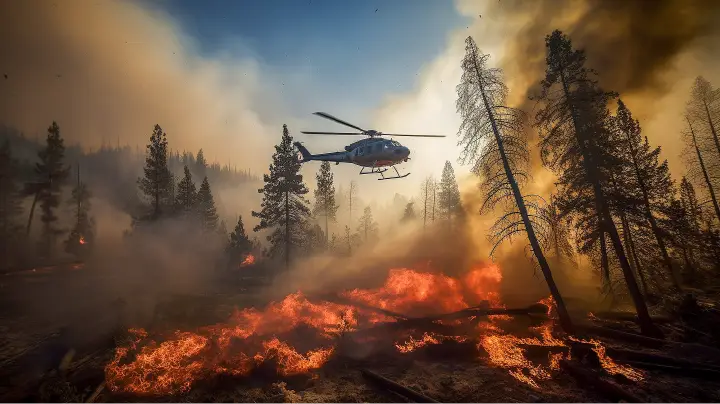
Wildfire smoke is no longer a remote concern for workplaces in remote regions. Smoke from wildfires hundreds of miles away can degrade air quality in cities and towns, affecting workers both outdoors and indoors. As wildfire seasons grow longer and more intense, understanding how smoke impacts air quality and workplace safety is essential for employers and safety professionals.
Why wildfire smoke matters for workplace safety
Wildfire smoke contains a complex mixture of gases, vapors, and tiny particles known as PM2.5. PM2.5 stands for particulate matter that is 2.5 micrometers or smaller in diameter. The “2.5” refers to the size of the particles; they are 2.5 micrometers wide or smaller, which is about 30 times smaller than the width of a human hair. Because these particles are so small, they can bypass the body’s natural defenses, penetrate deep into the lungs, and even enter the bloodstream.
Exposure to these fine particles has been linked to respiratory irritation, coughing, wheezing, and more serious health outcomes, especially for workers with preexisting conditions like asthma, heart disease, or chronic lung conditions. Conditions that push PM2.5 levels into unhealthy ranges may occur quickly and persist for days, posing a significant hazard if workers are not protected.
To understand how smoke forms and why it can travel so far, reference the general wildfire overview and how smoke affects human health.
Employer responsibilities under workplace safety law
Although there is not currently a specific federal OSHA standard addressing wildfire smoke exposure, employers still have a legal duty under the Occupational Safety and Health Act to provide a workplace free from recognized hazards, including those created by environmental conditions such as wildfire smoke. In practice this means assessing smoke risks, implementing controls to protect workers and adjusting workloads or work locations when smoke conditions become unhealthy.
Several states, such as California, Oregon and Washington, have adopted specific wildfire smoke rules for outdoor workers that require employers to monitor air quality and provide controls and respirators at defined pollution levels. These state standards illustrate what workplace protection can look like in action and can serve as models for employers in all regions.
Monitoring air quality and planning ahead
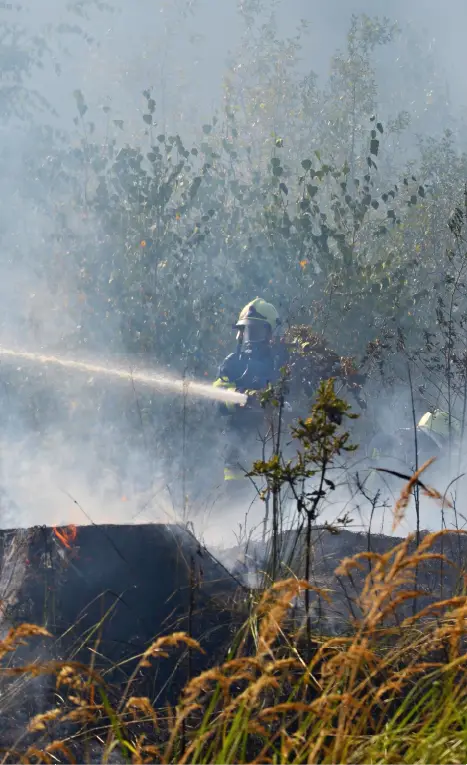
Air quality can change rapidly during wildfire smoke events. Employers should use reliable tools such as the EPA’s AirNow Smoke Ready Toolbox to monitor current air quality conditions and forecasts.
When the Air Quality Index (AQI) for PM2.5 reaches unhealthy levels, employers should consider reducing outdoor work, postponing nonessential tasks or relocating workers to areas with cleaner air. Frequent breaks in clean air, provision of enclosed and filtered environments, and reduced physical exertion are all practical measures that can limit smoke exposure.
Practical steps to protect workers
Here are tangible actions employers can take before and during wildfire smoke events:
Develop a smoke response plan
- Identify key air quality monitoring sources such as AirNow.
- Set criteria for modifying work duties or schedules based on AQI levels.
- Establish indoor clean air areas with suitable filtration if possible.
Adjust work practices when smoke is present
- Reduce or reschedule strenuous tasks when AQI indicates poor air quality.
- Move outdoor work indoors or to areas with better air quality when feasible.
- Allow workers to take breaks in areas with cleaner air to reduce cumulative exposure.
Provide respiratory protection when needed
When engineering or administrative controls cannot sufficiently reduce exposure, respirators can help. The EPA recommends NIOSH-approved respirators such as N95 or P100 masks to protect in smoky conditions. Proper fit and training are essential for respirators to work correctly, and employers should incorporate respirator use into their safety programs if they are expected to be part of smoke response plans.
Training and communication
Communication with workers is critical during smoke events. Workers should understand:
- How air quality is measured and what AQI categories mean.
- How smoke exposure can affect their health.
- What changes will be made to work tasks when smoke is present.
Including this information in training sessions, safety meetings and toolbox talks helps reinforce awareness and ensures that employees are prepared to recognize hazards and respond appropriately.
The bottom line
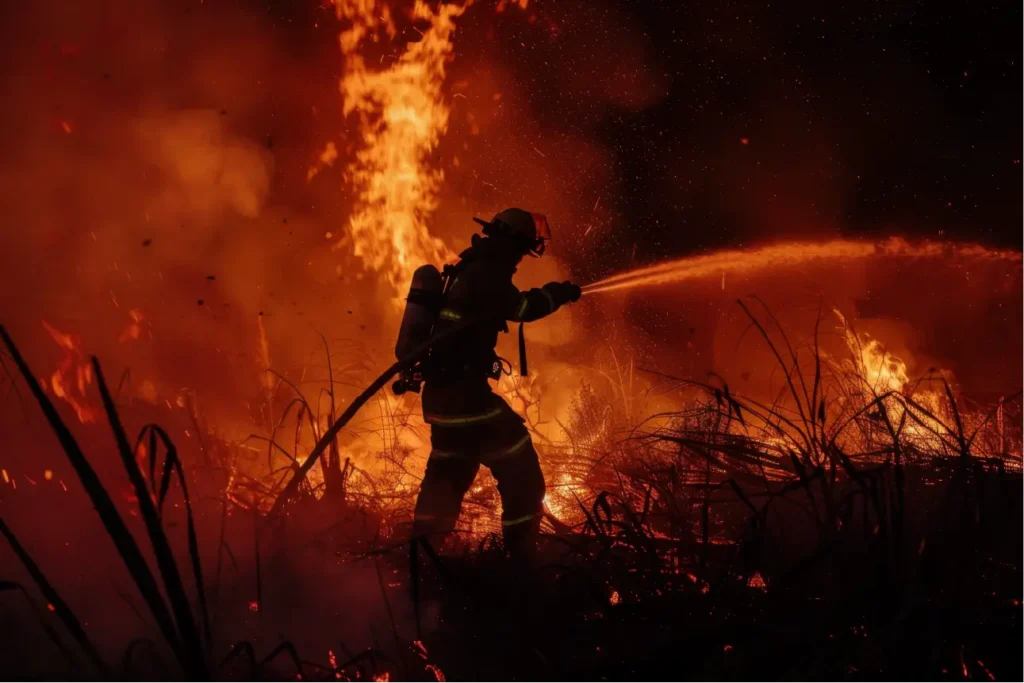
Wildfire smoke is more than a seasonal nuisance. It represents a real workplace health hazard that can affect workers across industries and regions. By monitoring air quality, planning ahead, adjusting work practices and providing protective measures, employers can reduce smoke exposure and protect worker health. Proactive preparation not only meets general safety obligations but also fosters a culture that values worker well-being even when environmental conditions are beyond the employer’s control.
Blog Posts
Latest Posts


Interested in fire prevention?
Check out our online Fire Prevention Specialist course!
Related Posts
Wildfire Smoke and Air Quality: What Employers Need to Know to Protect Workers
03.05.2026 Compliance
Is Safety Culture Enough? Why Systems Matter More Than Slogans in Workplace Safety.
03.05.2026 Safety Culture
Lithium-Ion Batteries: The Hidden Workplace Fire Risk (and What to Do About It)
03.05.2026 Compliance