

Where EPA Regulators Will & Won’t Bend During COVID-19 Crisis
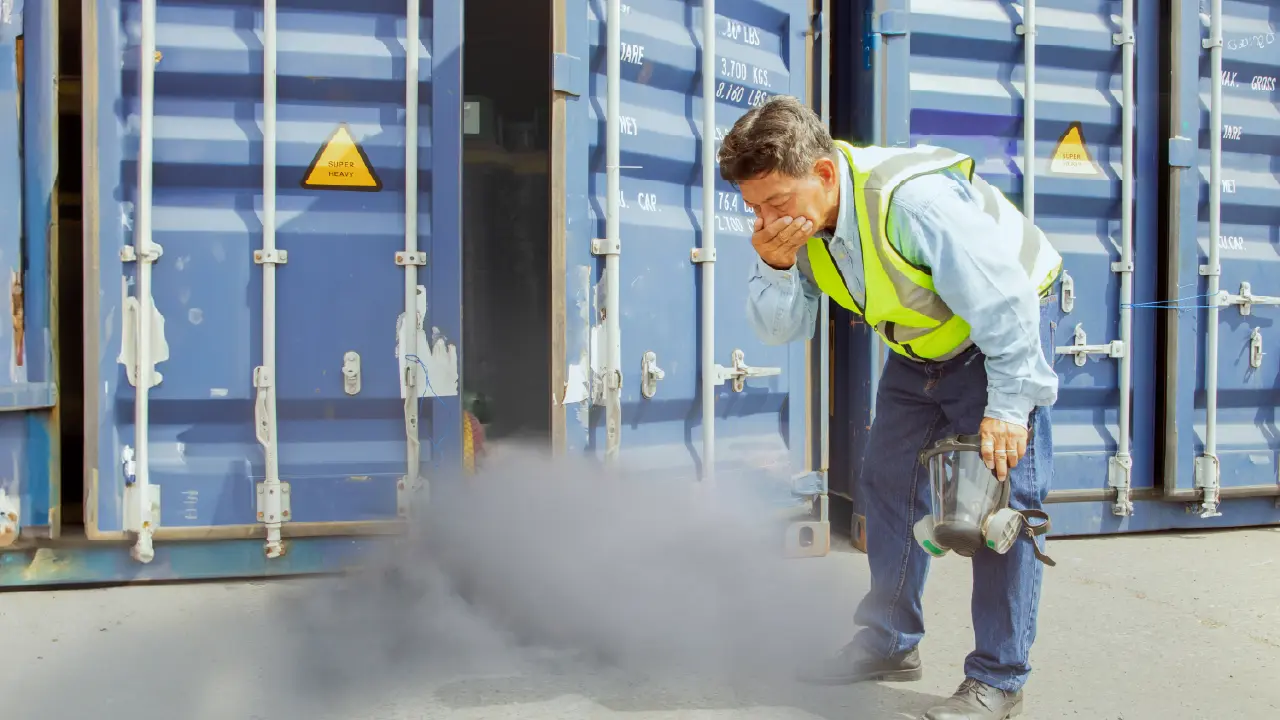
Coronavirus is placing an onus on businesses whose operations are curtailed or are running overtime due to critical demand.
How will the COVID-19 epidemic affect compliance? Will EPA and state agencies forgive a late report of a release, for example? How much leniency can businesses expect for air, water and waste violations?
Here’s how you can minimize problems and stay a step ahead:
No. 1 rule: Keep agencies in loop
For any accidental release, leak, spill, discharge, excess emissions – let your regulator know ASAP.
Agencies historically grant No Action Assurances to facilities that self-report during emergencies, but it’s not a guarantee in all cases.
Rule No. 2: Know what you don’t know
Can’t take stormwater samples from an outfall? Lack of staff to inspect hazardous waste storage areas?
The key is to keep track of permit duties you can’t get to now and disclose them later.
Late reports to electronic databases trigger automatic violations. So do your best to report on time – you can always go back later and correct mistakes.
EPA extends an olive branch
On March 26, EPA announced a temporary, discretionary enforcement policy:
Facilities won’t be fined for routine monitoring or reporting violations.
Caveat: Public water system plants must still comply with contaminant limits and monitoring obligations.
The leniency policy doesn’t cover intentional and therefore criminal violations, or cleanup activities mandated under Superfund or RCRA corrective action enforcement.
Related Posts
Nothing Is Final Yet: OSHA’s Deregulatory Docket Reaches the Hearing Room
08.18.2026 Current Events
A Blocked Stairwell and a Corroded Sprinkler
08.18.2026 Current Events
OSHA Violations Roundup
08.18.2026 Compliance
Explore Our Live and Online Safety Courses
Learn at your own pace online or join an instructor-led live training session.