Is Safety Culture Enough? Why Systems Matter More Than Slogans in Workplace Safety.

Workplace safety is a core priority for every organization that cares about its people and its performance. Many employers talk about safety and display slogans like Safety First or Zero Harm in their break rooms. These messages can be helpful in setting expectations. However simply saying safety matters is not enough in most workplaces. To truly protect workers and prevent incidents, employers need both an intentional safety culture and a robust safety management system that guides daily operations, processes and decisions.
What safety culture really means
Safety culture refers to the shared perceptions, values and attitudes that people in an organization hold about safety. It is how workers and leaders view risks and how they act on those perceptions every day. In essence, safety culture reflects whether safety is integrated into work practices or simply treated as a slogan.
A strong safety culture makes safe behaviors the norm and encourages workers to speak up about hazards. It involves leadership visibly supporting safety, employees feeling responsible for their own and others’ well-being, and proactive communication about risks. When these elements are present in daily work, safety becomes part of how work is done, not just what is written in a manual.
Why slogans alone fall short
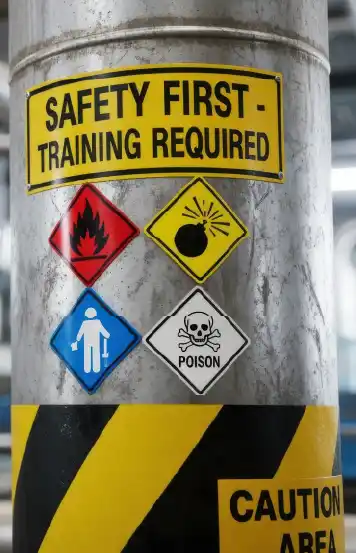
Many organizations fall into the trap of focusing on motivational statements rather than measurable actions. These slogans can create a perception of concern for safety without delivering real changes in risk control or outcomes. Without structured systems behind them, slogans can feel empty to frontline workers and fail to drive measurable improvements. Workplace safety guidance emphasizes that phrases like Zero Harm or Safety First are merely starting points unless they are backed by concrete expectations, procedures and support mechanisms.
When safety is seen only as a value but is not supported by systems that help people manage risk, organizations often revert to compliance-only thinking. This can lead to a reactive approach to incidents where hazards are fixed only after harm occurs instead of being prevented in the first place.
What a safety management system does
A safety management system (SMS) provides a structured and systematic framework for managing risk and improving safety performance. It defines how hazards are identified, how controls are selected and applied, and how performance is measured and improved.
An effective system helps organizations:
- Set clear safety goals and accountabilities
- Identify and assess hazards consistently
- Implement and track control measures
- Analyze incidents and near misses for learning
- Communicate expectations and results across all levels
Without this structured approach, safety efforts tend to be inconsistent, vary by team or shift, and may not actually reduce risk even if everyone intends to work safely. Systems turn values into actions and create repeatable, measurable processes for continuous improvement.
How culture and systems reinforce each other

Culture and systems are interdependent. A strong safety culture motivates people to follow systems and speak up when something is wrong. At the same time a well-designed and effectively implemented safety management system reinforces culture by giving employees clear, reliable methods to carry out safety expectations. In some cases a well-run SMS can help strengthen safety culture by making safety easier to practice and more predictable in its outcomes.
Practical steps for workplaces
- Build systems that support culture
Document hazard identification procedures, inspection schedules, training requirements and incident investigation practices. These clear structures make safe behavior easier to achieve and sustain. - Lead with action
Leadership must visibly act on safety data and system outputs, not just speak about safety. Regular reviews of safety metrics, investment in training and participation in safety discussions signals that safety is non-negotiable. - Encourage meaningful participation
Involve workers in developing and improving safety systems. When employees feel heard and see their input reflected in processes, culture strengthens. - Measure and improve
Use audits, observation programs and incident data to see if systems are working. Adjust systems based on what the data shows, not only based on how things felt or what employees say they want.
Creating Safety That Lasts
Safety culture and safety management systems are not alternatives. A workplace that relies solely on slogans or intentions without a structured risk management system will struggle to achieve consistent, measurable safety performance. Conversely, a system without cultural buy-in may become a set of ignored checklists. Combining culture and systems creates a workplace where safety is not only valued but it is practiced and improved every day.
Blog Posts
Latest Posts


NEED SITE-SPECIFIC SAFETY SUPPORT?
Get expert on-site training and consulting from NASP.
Related Posts

Wildfire Smoke and Air Quality: What Employers Need to Know to Protect Workers
03.05.2026 Compliance
Is Safety Culture Enough? Why Systems Matter More Than Slogans in Workplace Safety.
03.05.2026 Safety Culture
Lithium-Ion Batteries: The Hidden Workplace Fire Risk (and What to Do About It)
03.05.2026 Compliance