

Heat Stress, Child Labor, and Contractors… Oh my!

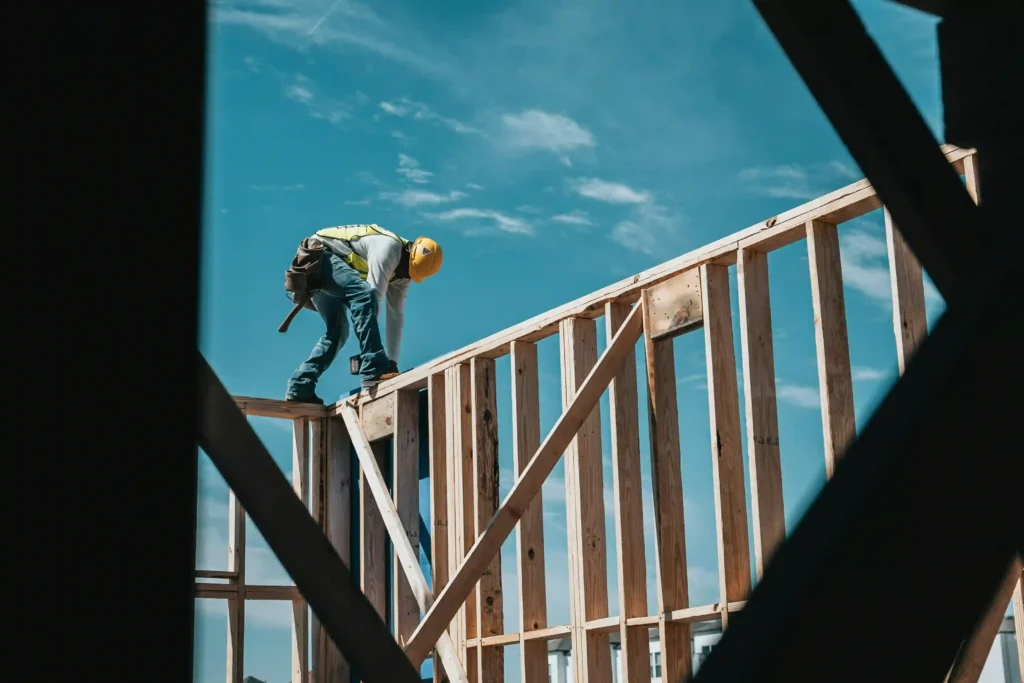
In a recent development that could have significant implications for workplace safety, the Acting Secretary of Labor, Julie Su, announced that OSHA is poised to issue a notice of proposed rulemaking for a new standard aimed at protecting workers from heat-related hazards. This announcement was made during a House Education and the Workforce Committee hearing on May 1. Representative Suzanne Bonamici (D-OR) raised the question, prompting Su to highlight the growing concern over heat as an occupational hazard, noting that simple, commonsense measures could prevent fatalities and injuries related to heat exposure. The proposed rule is expected by September 30 and is currently under review following a Small Business Advocacy Review initiated in August.
Additionally, during the hearing, Su addressed concerns regarding a surge in child labor law violations. She reported that the Department of Labor (DOL) imposed a record number of penalties in fiscal year 2023 and is spearheading an interagency task force dedicated to combating child labor. The task force aims to close gaps and enhance enforcement to curtail these illegal practices. Despite some states’ efforts to weaken child labor protections, Su reassured that federal laws provide a baseline of protection that remains enforceable across all states.
The topic of how to classify workers—whether as employees or independent contractors—also surfaced during the hearing. This classification is crucial because it determines eligibility for labor protections such as minimum wage and overtime pay under the Fair Labor Standards Act. A new DOL rule that clarifies this classification took effect on March 11, underscoring the agency’s commitment to protecting worker rights.
Furthermore, the hearing touched on the ongoing issue of Su’s tenure as the acting labor secretary. Representative Virginia Foxx (R-NC) criticized the duration of Su’s unconfirmed status, which has set a record since the pre-Civil War era. In contrast, Representative Kevin Kiley (R-CA) has introduced legislation aimed at limiting the tenure of acting secretaries, which has passed the committee stage but awaits a full House vote.
As NASP continues to monitor these developments closely, we encourage all safety professionals to stay informed about these regulatory changes and to advocate for robust safety standards that protect our workforce. The proposed heat protection standard, in particular, represents a critical advancement in recognizing and mitigating environmental risks that workers face daily.
Enroll in NASP’s Heat Injury and Illness Prevention Specialist (HIIPS) Course


Interested in preventing heat injuries?
Check out our online Heat Injury and Illness Prevention Specialist course!
Related Posts

OSHA’s FY2026 Top 10 Looks Exactly Like Last Year’s. September’s Citations Show Why.
10.07.2026 Current Events
OSHA’s New Overdose Guidance Wants Naloxone Stored Next to Your AED
10.07.2026 Compliance
Two Valves, Six Minutes, $95 Million: The CSB’s Final Report on the Shell Monaca Explosion
10.07.2026 Current Events
Explore Our Live and Online Safety Courses
Learn at your own pace online or join an instructor-led live training session.