

California’s Silicosis Crisis Highlights The Need For Stronger Worker Protections

A growing health crisis in California is shining a spotlight on one of the most serious and preventable occupational diseases: silicosis.
In May 2026, California workplace safety regulators began considering a ban on engineered stone products containing high levels of crystalline silica after hundreds of countertop fabrication workers developed silicosis, a potentially fatal lung disease caused by inhaling silica dust. The move reflects growing concern that existing safety measures have not been enough to protect workers from dangerous exposures.
The California situation serves as a powerful reminder that silica hazards remain a significant threat in many industries and that stronger preventive measures can save lives.
What is Silicosis?
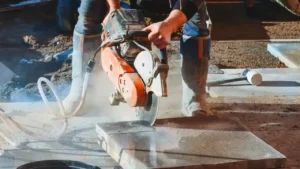
Silicosis is an irreversible lung disease caused by breathing in respirable crystalline silica, a fine dust produced when materials containing silica are cut, drilled, ground, or polished. Once inhaled, these tiny particles become trapped in the lungs, causing inflammation and permanent scarring.
Over time, the disease can lead to chronic coughing, shortness of breath, fatigue, reduced lung function, and respiratory failure. Silicosis also increases the risk of lung cancer and other serious respiratory illnesses. There is no cure, making prevention the most effective form of protection.
Why Engineered Stone is a Concern
Silica exposure has long been associated with industries such as mining, construction, and sandblasting. However, health experts are increasingly concerned about engineered stone, commonly used for kitchen and bathroom countertops.
Many engineered stone products contain more than 90% crystalline silica. When workers cut or polish these materials, large amounts of hazardous dust can be released into the air. In California, health officials have identified hundreds of silicosis cases among countertop fabrication workers, including numerous deaths and lung transplants.
Researchers have found that workers exposed to engineered stone can develop severe forms of silicosis after relatively short periods of exposure, making the material a growing occupational health concern.
Lesson for Employers
California’s response demonstrates the importance of taking silica hazards seriously and implementing effective controls before workers become ill.
Employers can significantly reduce silica exposure by:
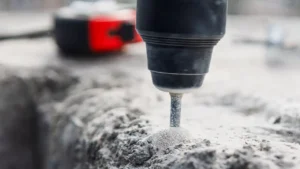
- Using wet-cutting methods to suppress dust at the source
- Installing local exhaust ventilation systems to capture airborne particles
- Providing appropriate respiratory protection when necessary
- Conducting air monitoring to evaluate exposure levels
- Implementing medical surveillance programs to identify health issues early
- Training workers to recognize silica hazards and follow safe work practices
These measures are essential in industries where silica-containing materials are handled regularly.
Prevention Saves Lives
The most important lesson from California’s silicosis crisis is that the disease is largely preventable. Safety professionals have long understood how to control silica dust through engineering controls, proper work practices, respiratory protection, and worker training.
When these safeguards are not adequately implemented, workers can suffer life-altering consequences. California’s consideration of a ban on high-silica engineered stone products demonstrates how serious the problem has become and highlights the need for continued efforts to eliminate or reduce exposure.
Employers across all industries that involve silica should view California’s experience as both a warning and an opportunity. By investing in effective exposure controls and maintaining strong safety programs, organizations can protect workers from a disease that remains entirely preventable but potentially devastating.
Protect Your Workers With NASP Today
Employers and safety professionals play a critical role in reducing the risks associated with crystalline silica exposure. To help protect workers and maintain OSHA compliance, organizations must ensure employees receive the training needed to recognize hazards, follow exposure control procedures, and work safely.
The National Association of Safety Professionals (NASP) provides workplace safety training designed for real-world application across a variety of industries. Our Silica Dust Specialist (SDS) course helps participants build the knowledge needed to support effective silica exposure prevention, improve workplace safety practices, and meet or exceed OSHA requirements. Contact NASP today to learn more about our safety courses and professional certificates created by safety professionals for safety professionals.


NEED SILICA DUST SAFETY TRAINING?
Check out NASP’s online Silica Dust Specialist course!
Related Posts

OSHA’s FY2026 Top 10 Looks Exactly Like Last Year’s. September’s Citations Show Why.
10.07.2026 Current Events
OSHA’s New Overdose Guidance Wants Naloxone Stored Next to Your AED
10.07.2026 Compliance
Two Valves, Six Minutes, $95 Million: The CSB’s Final Report on the Shell Monaca Explosion
10.07.2026 Current Events
Explore Our Live and Online Safety Courses
Learn at your own pace online or join an instructor-led live training session.