A Practical Guide to Understanding Confined Spaces
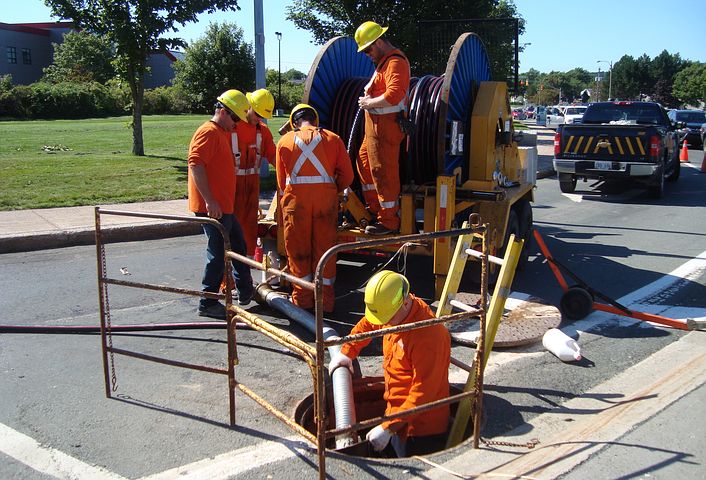
Rules and regulations regarding confined spaces can be confusing for many workers and even employers—and understanding what’s required can be the difference between life and death.
The article, entitled “Confined Spaces: A Primer for Coatings Professionals”, covers foundations of the topic as it relates to all industries. This comprehensive read is an in-depth dive into confined spaces that gives readers a quick overview of a subject that can sometimes seem a little complex.
Starting with the basics, the article explains what confined spaces actually are and describes the difference between non-permit required and permit required confined spaces. It notes that:
Confined spaces are classified as spaces that:
- are large enough for an employee to enter and perform his or her work;
- have limited or restricted means for entry or exit; and
- are not designed for continuous occupancy.
(…) According to the Occupational Safety and Health Administration (OSHA), non-permit required spaces are confined spaces that don’t contain or have the potential to contain any hazard capable of causing death or serious physical harm. Permit-required confined spaces, on the other hand, meet the three criteria listed above and also contain one or more of the following:
- A potentially hazardous atmosphere.
- A substance or material with the potential for engulfing the worker.
- Inwardly converging walls or a floor that slopes downward and tapers to a smaller cross-section.
- Any other recognized serious safety or health hazard.
Not realizing the difference between the two types of confined spaces can land employers in a lot of trouble. Sending workers into a permit required space without following the regulations is not something anyone would want on their conscience.
The same is true for PPE. Knowing when and how to use it in confined spaces is vital for employee safety. What could seem like a non-hazardous space may very well require PPE and not providing it to employees can cause harm or even death. In fact, as the article says, “Almost all confined spaces require the use of PPE. Employers have to provide workers with the right type of protective equipment for the work environment, regardless of what that is.”
Interested in learning more about Confined Space Safety? Check out our course options below!
In-Person: Confined Space Entry & Rescue Program Manager Course
Online: Confined Space Entry Specialist or Confined Space Entry Specialist – Construction
Blog Posts
Latest Posts


Enroll in our Confined Space Entry & Rescue Program Manager Course
Related Posts

What are your safety goals in 2026?
03.05.2026 Safety Culture
From Deregulation to DIY Safety
03.05.2026 Current Events
Lithium-Ion Batteries: The Hidden Workplace Fire Risk (and What to Do About It)
03.05.2026 Compliance