The Environmental Cost of Data Centers

The world’s reliance on digital services means that data centers have become essential infrastructure. These facilities house thousands of servers, networking devices, and storage systems. Growth in artificial‑intelligence (AI) workloads and cloud computing has accelerated the construction of hyperscale data centers, many of which occupy more than 30,000 square feet. While data centers create jobs and enable innovation, they also consume enormous amounts of electricity and water, stress the power grid, generate pollution and noise, and raise questions about whether the economic benefits justify the environmental risks. This article examines the environmental footprint of modern data centers and weighs those impacts against the economic returns cited by proponents.
Energy demand and greenhouse‑gas emissions
Power consumption and emissions
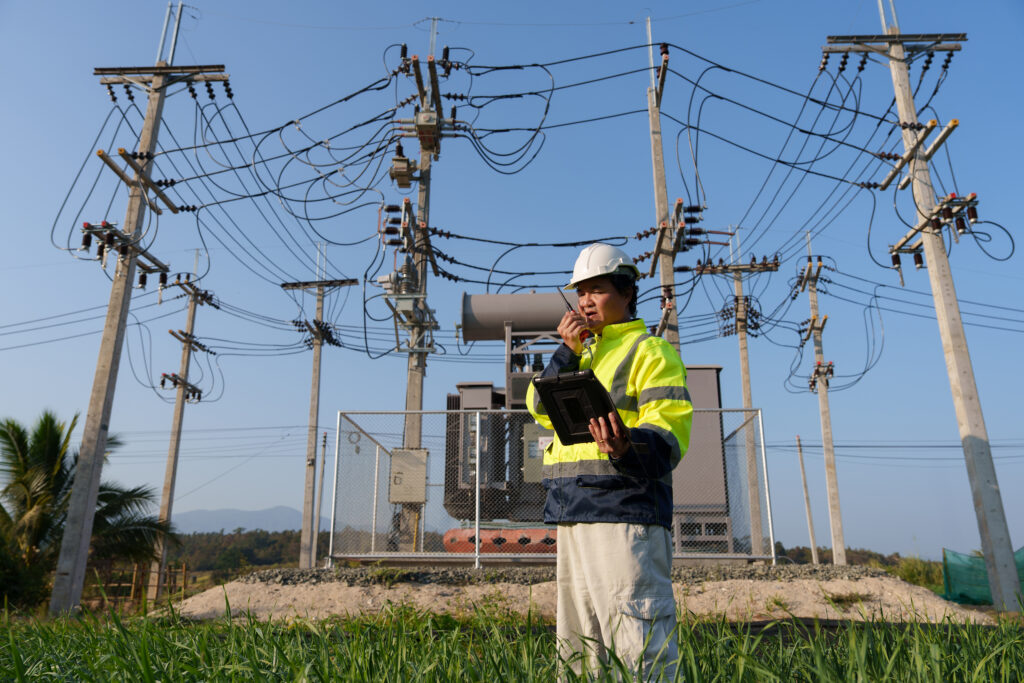
Data centers draw electricity to power servers, storage arrays and cooling systems. According to Forbes, data centers used roughly 4 % of U.S. electricity in 2024—about as much as the combined demand of New York City and Chicago—and forecasts suggest that share could rise to 9–12 % by 2030. Every word processed by an AI model requires significant computation; as a result, energy consumption grows with the size of the model and the volume of user prompts. At present, most data centers rely on whatever local grid is available; in Virginia, part of the PJM grid, the primary fuel is natural gas. Because many power grids still depend on fossil fuels, this energy demand increases greenhouse‑gas emissions. Tech companies are signing renewable‑energy contracts and experimenting with energy storage, but AI servers run continuously, so even the greenest data centers still require firm generation from natural gas, nuclear or other sources.
Large data centers increasingly develop their own power supplies when grid connections are delayed or inadequate. Some facilities use natural‑gas turbines with diesel‑generator backups. Emissions from onsite generation contribute to local air pollution and global warming. Amazon reported that its overall greenhouse‑gas emissions rose from 64.38 million metric tons in 2023 to 68.25 million metric tons in 2024—the company’s first emissions increase since 2021—largely because of data centers and delivery operations. Google similarly reported a 48 % increase in greenhouse‑gas emissions since 2019 due to data center expansion and other activities.
Stress on the power grid
High energy demand puts pressure on domestic power grids. Benjamin Lee of the University of Pennsylvania notes that data centers mostly draw electricity from local grids, and this heavy consumption can disrupt grid infrastructure and shorten the lifespan of household appliances. Grid infrastructure must be upgraded for each new data center, with costs often passed on to residents. A 2025 Dominion Energy report projected that residential electric bills in Virginia will more than double by 2039, primarily due to data center growth. The president of the Large Public Power Council told Forbes that AI‑driven load growth “came out of nowhere,” creating supply‑chain issues for utilities, industry and engineers. Experts estimate that electricity demand from data centers could add hundreds of terawatt‑hours of demand by 2030—enough to power tens of millions of homes, and utilities may need tens of billions of dollars in new generation and grid upgrades. Without careful planning, soaring data‑center demand could collide with the needs of manufacturing, transportation and residential electrification, leading to higher prices and reliability issues.
Water consumption
Water use for cooling
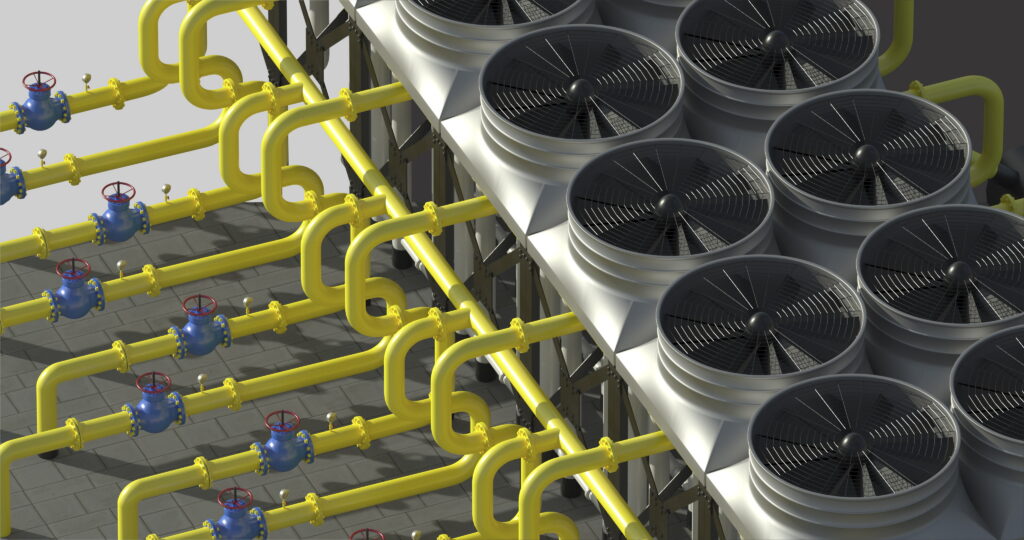
Computers generate heat, and most data centers rely on water‑based cooling systems. The Environmental and Energy Study Institute (EESI) reports that a medium‑sized data center can consume roughly 110 million gallons of water per year for cooling—equivalent to the annual water use of about 1,000 households. Large hyperscale data centers can use up to 5 million gallons per day (≈1.8 billion gallons annually), equal to the needs of a town of 10,000–50,000 people. Collectively, U.S. data centers were estimated to consume 449 million gallons of water per day and 163.7 billion gallons per year in 2021. The Brookings Institution notes that a typical data center uses 300,000 gallons of water each day, while larger facilities may use 5 million gallons per day, and projections show that water use for cooling could increase by 870 % as more AI‑focused centers come online.
Water consumption is not limited to onsite cooling. Because 56 % of electricity used to power data centers comes from fossil‑fuel power plants, a significant portion of data‑center water use originates from the steam cycle of those plants. A federal report estimated that indirect water consumption from electricity generation amounted to 211 billion gallons in 2023. EESI notes that about 80 % of the water withdrawn by data centers evaporates, and large volumes of warm wastewater may overwhelm local treatment facilities.
Water stress and innovations
The concentration of data centers in water‑stressed regions raises concerns about aquifer depletion and competition with agriculture and households. Brookings warns that building new facilities without regional coordination can strain water systems, necessitating new distribution lines and infrastructure and contributing to a national water‑infrastructure funding gap. Technologies such as closed‑loop cooling systems, direct‑to‑chip liquid cooling and immersion cooling can reduce freshwater use by up to 70 %, but implementing them requires capital and technical expertise. In areas with limited water availability, server liquid cooling is preferable because it uses minimal water.
Pollution in the surrounding communities

Air pollution from backup generators and onsite power
Reliability requirements force data centers to maintain onsite generation. Backup diesel generators are widely used because diesel fuel can be stored on site. Inside Climate News notes that these generators are expensive, noisy and emit pollutants such as nitrogen oxides (NOₓ) and fine particulates. Environmental and health experts warn that increased reliance on diesel generators—especially if grid operators force data centers off the grid during peak demand– could lead to greater emissions. Operators typically self‑report emissions to regulators, and federal rules limit testing to 100 hours per year; there are no federal time limits on diesel‑generator use during emergencies. In Texas, backup generators are permitted as long as they run less than 10 % of annual operations. However, each new data center can consume as much electric power as a small city, raising concerns that self‑reported diesel emissions may exceed Clean Air Act limits.
Diesel exhaust contains particulate matter and NOₓ, pollutants linked to cardiovascular and respiratory diseases. The American Cancer Society links diesel emissions to heart and lung disease and cancer. Chris Miller of the Piedmont Environmental Council calls diesel combustion “one of the dirtiest forms of generation we know” and warns that emergency permitting allows emissions levels that would normally violate air‑quality regulations. While some data centers are considering portable natural‑gas generators, which emit 95 % less NOₓ and 98 % less non‑methane hydrocarbons than diesel, natural gas cannot be stored on site, so diesel remains the preferred backup fuel.
The Environmental Data and Governance Initiative examined 550 EPA‑regulated data centers and found that communities within one mile of these facilities—about four million people—experience higher levels of particulate matter (PM₂.₅), nitrogen dioxide and diesel particulate matter compared with the national median. Communities of color near data centers face even higher air‑pollution burdens. These findings underscore that data‑center emissions exacerbate existing environmental inequities.
PFAS and chemical pollution

Beyond diesel emissions, data centers may contribute to chemical pollution. The Guardian reports that per‑ and polyfluoroalkyl substances (PFAS)— “forever chemicals” associated with cancer, immune suppression, and other health problems—are used in data‑center cooling equipment and in the manufacture of semiconductors housed in these facilities. PFAS do not break down naturally; disposal is difficult, and incineration can break down compounds into smaller PFAS with unknown health risks. Environmental advocates fear that the datacenter industry’s use of PFAS will increase environmental contamination and e-waste. Two U.S. chemical plants that produce PFAS-containing refrigerants have been accused of polluting nearby water, soil, and air.
Noise pollution
Noise is an often-overlooked environmental cost. The constant hum of servers, cooling fans, and generators creates persistent noise levels. In Northern Virginia, residents living near data centers have measured noise at around 90 decibels during generator testing, comparable to an idling airplane. The Consumer Federation of America notes that diesel generators can reach 100 dB(A) levels that can cause hearing damage with prolonged exposure. Chronic noise exposure has been linked to sleep disruption, stress, hypertension, headaches, and cognitive impairment. Net Zero Insights reports that noise from data centers can exceed 80 dB, comparable to a leaf blower, and that communities have reported sleep disturbances, hearing loss, and elevated stress hormone levels. Noise also affects wildlife by disrupting communication and altering natural behavior. Local noise ordinances typically regulate intermittent disturbances and may not provide effective recourse against continuous industrial noise. As a result, some residents have resorted to soundproofing their homes or even relocating.

Balancing Economic Gains and Environmental Costs
Data centers are indispensable to the digital economy, but their environmental footprint is substantial. They consume large amounts of energy and water, strain power grids, emit diesel pollution and PFAS chemicals, and generate persistent noise. While data centers can contribute to local economies through construction jobs and property‑tax revenue, independent studies suggest that long-term employment gains are modest and that the higher electricity costs required to serve these facilities can outweigh the tax benefits. To ensure that the digital future is both prosperous and sustainable, policymakers and industry leaders must require transparent siting processes, negotiate community‑benefit agreements, invest in renewable energy and water‑saving technologies, and implement stricter controls on emissions and noise. Without such measures, the environmental costs of data centers risk eclipsing the economic gains.
Enroll in NASP’s online Certified Environmental Manager (CEM) course.
Blog Posts
Latest Posts


LEAD ENVIRONMENTAL COMPLIANCE
Become a Certified Environmental Manager.
Related Posts

What are your safety goals in 2026?
03.05.2026 Safety Culture
From Deregulation to DIY Safety
03.05.2026 Current Events
Lithium-Ion Batteries: The Hidden Workplace Fire Risk (and What to Do About It)
03.05.2026 Compliance