

Reliance on Warning Stickers Leads to Tragedy

A North Carolina city’s reliance on warning stickers rather than safety policies for its sanitation crews was a contributing factor in the death of a worker struck by a sanitation truck, according to an investigation report.
While the city had an extensive safety program, it failed to have a written policy for sanitation workers riding on the backs of trucks. The city instead relied on visible warning stickers on the inside and outside of the trucks.
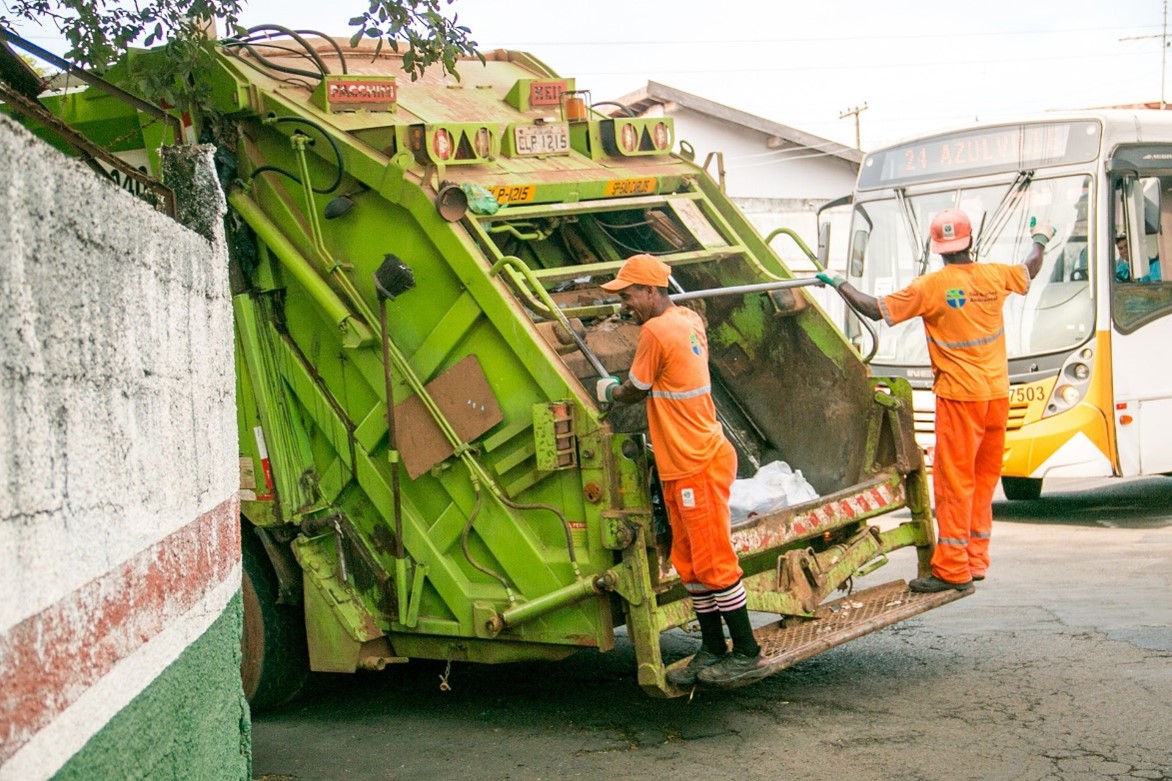
Employee Jumped Behind Truck
In early February 2020, the sanitation crew was picking up garbage along a residential route. The three-person crew consisted of a sanitation truck operator and two ground workers who would ride short distances on the back rider steps of the truck. After the trash was collected, the truck began backing out of the dead-end street with both sanitation workers on their ride steps despite conspicuous warning stickers at each ride step forbidding riders while the truck was in reverse.
Before the truck backed completely out of the street, both employees jumped off the back of the truck as they noticed a pickup truck backing out of a nearby driveway at a high rate of speed toward the sanitation truck.
Believing the pickup was going to hit the sanitation truck, the worker on the right rear of the truck hit a button on the back of the sanitation truck that sounded a buzzer inside the truck’s cab, but the operator didn’t hear the buzzer and continued to back up.
Because of the pickup, which narrowly missed the sanitation truck, the operator did stop the truck, but it was too late as the sanitation truck ran over the worker who had jumped from the left ride step. Emergency responders pronounced the worker who had been run over dead at the scene.
Investigation Findings
Investigators with NIOSH found the following hazards were key factors that contributed to the incident:
- Riding on an outside step of a backing sanitation truck
- Lack of situational awareness of the driver and workers
- Lack of written standard operating procedures for driving and riding positions on sanitation trucks, and
- Lack of communication between the sanitation truck operator and the ground workers.
Since the incident occurred, the city developed and is now using a procedure for sanitation workers that incorporates what’s written on the warning stickers into a more comprehensive program. That program includes training on vehicle blind spots, and instructs:
- Operators to always know the locations of ground workers and establish visual contact with them before moving refuse trucks
- Sanitation workers to load refuse from the sides of a truck and avoid walking or standing behind trucks, and
- Operators and ground workers on how to use hand signals to allow consistent communication.
Purchase Our Certified Safety Manager (CSM) Online

Related Posts

OSHA’s FY2026 Top 10 Looks Exactly Like Last Year’s. September’s Citations Show Why.
10.07.2026 Current Events
OSHA’s New Overdose Guidance Wants Naloxone Stored Next to Your AED
10.07.2026 Compliance
Two Valves, Six Minutes, $95 Million: The CSB’s Final Report on the Shell Monaca Explosion
10.07.2026 Current Events
Explore Our Live and Online Safety Courses
Learn at your own pace online or join an instructor-led live training session.