Investigative Safety Analysis: The Le Constellation Bar Fire at Crans-Montana
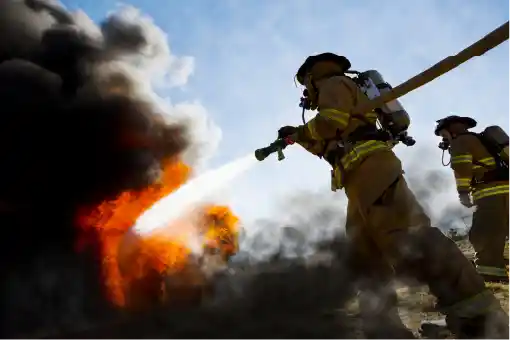
On January 1, 2026, a fatal structural fire occurred at the Le Constellation Bar in Crans-Montana, Switzerland, resulting in the deaths of 40 occupants, many of them teenagers, and injuries to more than 100 others. The incident represents one of the most significant mass casualty fires in a public assembly occupancy in recent Swiss history and has prompted widespread regulatory, criminal, and safety reviews.
This article examines the incident through the lens of recognized fire safety principles, including those reflected in OSHA guidance, NFPA standards such as NFPA 101 Life Safety Code, NFPA 13 for sprinkler systems, and widely adopted international fire codes. The objective is not to speculate on final investigative conclusions, but to identify systemic safety deficiencies, foreseeable hazards, and prevention strategies relevant to high-occupancy assembly venues worldwide.

Police announced they had opened an investigation into the managers of the bar for negligent manslaughter, negligent bodily harm and negligent arson. One of the bar’s co-owners has previously said “everything was done according to the rules” and yet the establishment had not received a fire inspection since 2019.
At the outset, it is essential to acknowledge the human toll of this event. Forty individuals lost their lives, including twenty minors, while attending a New Year’s celebration. Many others sustained serious injuries, including burns and smoke inhalation trauma. Families, coworkers, and communities continue to bear the consequences of this tragedy. Any safety analysis must be grounded in respect for those lives and a commitment to preventing recurrence.
Occupancy Classification and Inherent Risk Factors
Le Constellation Bar functioned as a drinking and entertainment establishment, which under most fire codes is classified as an assembly occupancy. Assembly occupancies are recognized as high-risk environments due to several consistent factors:
- High occupant load density
- Limited occupant familiarity with the building layout
- Reduced situational awareness due to lighting, noise, and alcohol consumption
- Elevated ignition sources associated with entertainment features
- Potential for delayed or disorganized evacuation
On the night of the incident, the bar was reportedly operating at or near peak capacity due to New Year’s Eve celebrations in a major ski resort town. Seasonal tourism further increased the proportion of occupants unfamiliar with exit locations and emergency procedures.
Fire codes treat these conditions as requiring enhanced safeguards, not discretionary measures. When any single layer of protection fails, the consequences can escalate rapidly.
Fire Origin and Initial Ignition Mechanism
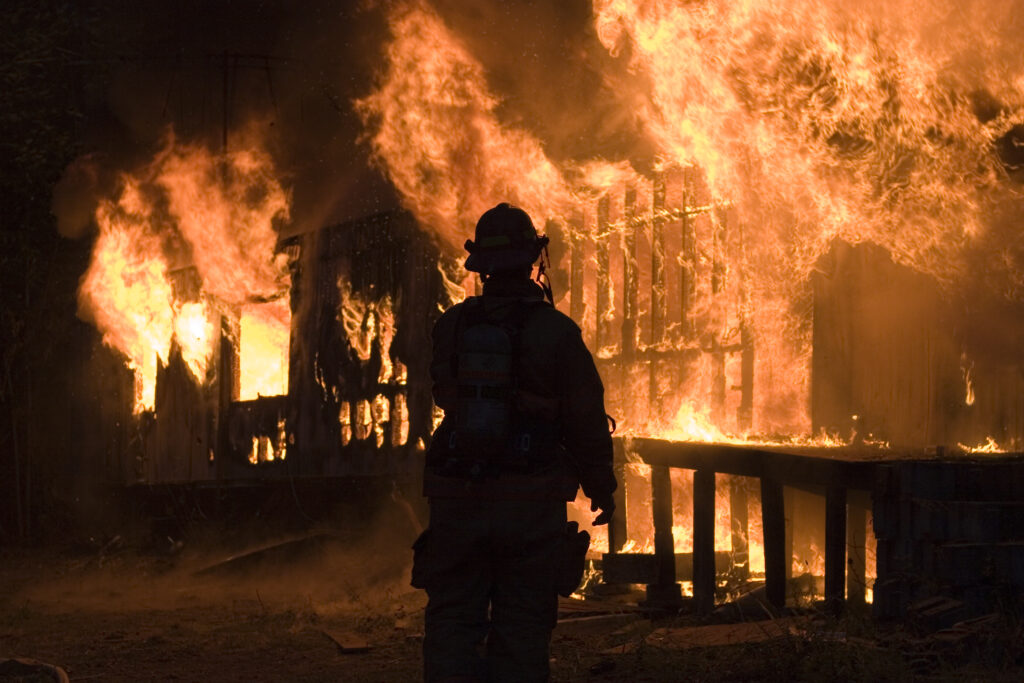
Preliminary findings indicate that the fire originated from sparkler-style pyrotechnic devices attached to champagne bottles during bottle service. These devices are known ignition sources capable of producing sustained sparks and temperatures sufficient to ignite common interior finish materials.
In most jurisdictions, indoor pyrotechnic devices are either prohibited or strictly regulated. Where permitted, they require documented hazard analysis, minimum clearance distances from combustibles, trained operators, and in many cases approval by the authority having jurisdiction.
The presence of such devices in a crowded, enclosed space with low ceiling clearance represents a foreseeable ignition hazard. From a hazard control standpoint, elimination of ignition sources ranks above administrative controls or emergency response measures.
This incident reinforces a core safety principle: prevent ignition whenever possible rather than relying on downstream mitigation.
Interior Finish Materials and Flame Spread Characteristics
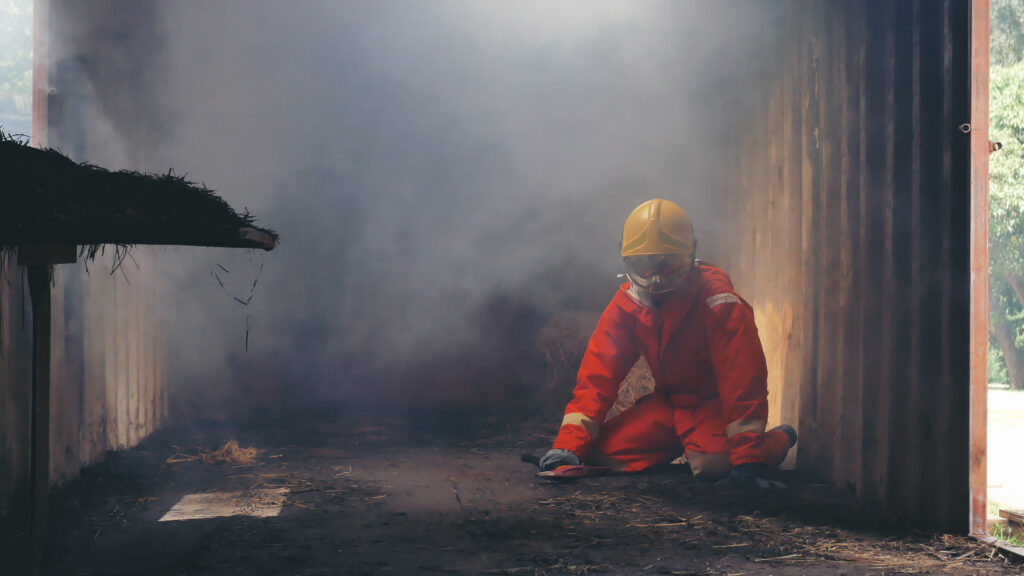
One of the most critical factors in this fire was the behavior of interior finish materials. The ceiling reportedly contained acoustic or decorative materials that ignited and allowed rapid horizontal flame spread.
Fire codes regulate interior finishes through flame spread and smoke development indices for a reason. Materials used in assembly occupancies must limit the rate at which fire propagates across surfaces and minimize the production of toxic combustion products.
The rapid progression from ignition to flashover strongly suggests that the ceiling materials either did not meet required fire performance classifications or were altered, degraded, or improperly installed in a way that compromised their fire resistance.
In fire dynamics, ceiling materials play a decisive role. Flames spreading overhead can quickly radiate heat downward, accelerate smoke accumulation, and overwhelm occupants before evacuation is possible. Once flashover occurs, survivability drops precipitously.
Interior finish selection is not an aesthetic decision alone. It is a life safety decision.
Smoke Development and Toxicity
Available evidence indicates that smoke inhalation was the primary cause of death for many victims. This is consistent with structural fire fatalities in enclosed spaces, particularly where synthetic materials are present.
Combustion of polymer-based foams, plastics, and decorative materials can generate dense smoke containing carbon monoxide, hydrogen cyanide, and other toxic gases. These gases can incapacitate occupants within seconds, impairing cognition, mobility, and consciousness.
Fire codes emphasize smoke control and early detection precisely because smoke presents a greater hazard than flame in most interior fires. The speed with which smoke filled the space at Le Constellation significantly reduced available safe egress time.
Available safe egress time must always exceed required safe egress time. In this incident, that margin appears to have been catastrophically insufficient.
Means of Egress Design and Performance
Means of egress is a cornerstone of life safety regulation. It includes exit access, exits, and exit discharge. In assembly occupancies, codes require that egress systems be designed to accommodate the maximum occupant load under emergency conditions.
Reports from survivors indicate that stairways and exit routes became congested rapidly. Patrons from lower levels attempted to evacuate upward through limited exit access, creating bottlenecks.
In emergency conditions involving panic, smoke, and reduced visibility, occupants gravitate toward familiar paths, often the same routes they used to enter the space. This behavior is well documented and accounted for in egress design standards.
Potential contributing factors include insufficient exit width, inadequate number of exits, poor exit signage visibility, and lack of redundancy in egress paths. Even if a facility technically meets minimum code requirements on paper, real-world performance under stress must be considered.
Egress systems must function under worst-case conditions, not ideal ones.
Fire Detection, Alarm, and Suppression Systems
A key question in the ongoing investigation is the performance of fire detection and suppression systems. Early detection and immediate alarm notification are critical to initiating evacuation before untenable conditions develop.
In high-noise environments such as bars and nightclubs, audible alarms alone may be insufficient. Visual alarms and staff-initiated announcements play an important role in alerting occupants.
Automatic sprinkler systems, where present and properly maintained, can significantly slow fire growth, limit ceiling-level flame spread, and reduce smoke production. Their absence or failure can allow a fire to progress unchecked during its most critical early phase.
Fire protection systems must be designed as integrated layers of defense. Reliance on a single system creates vulnerability when that system fails or is overwhelmed.
Emergency Response and Staff Preparedness
Staff members are essential components of emergency response in assembly occupancies. Their ability to recognize hazards, initiate evacuation, and direct occupants toward safe exits can influence outcomes dramatically.
In many nightlife venues, staff training focuses primarily on customer service and security, with limited emphasis on emergency procedures. High turnover rates further erode institutional knowledge.
Effective emergency preparedness requires documented procedures, regular training, and drills that reflect realistic scenarios. Staff must know how to shut down entertainment systems, activate emergency lighting, and assist occupants under low-visibility conditions.

In emergencies, confusion compounds risk. Clear leadership and practiced response reduce it.
Regulatory Oversight and Systemic Accountability
The scale of this incident has prompted criminal investigations and regulatory reviews. Such actions are consistent with the recognition that catastrophic outcomes rarely result from a single failure. They emerge from a chain of decisions, omissions, and oversight gaps.
Regulatory systems are only as effective as their enforcement mechanisms. Inspections must be frequent, thorough, and empowered to mandate corrective action. Variances and exceptions must be scrutinized carefully, particularly in high-risk occupancies.
This incident also raises broader questions about enforcement consistency in tourist-driven economies, where economic pressure may incentivize tolerance of marginal safety practices.
Life safety codes exist to protect occupants when commercial incentives conflict with risk management. Their integrity depends on unwavering application.
Preventive Lessons for Assembly Occupancies
Several prevention principles emerge clearly from this tragedy:
- Ignition sources must be strictly controlled or eliminated in enclosed assembly occupancies
- Interior finish materials must meet verified fire performance standards and remain unaltered
- Means of egress must be designed for actual occupant behavior under emergency conditions
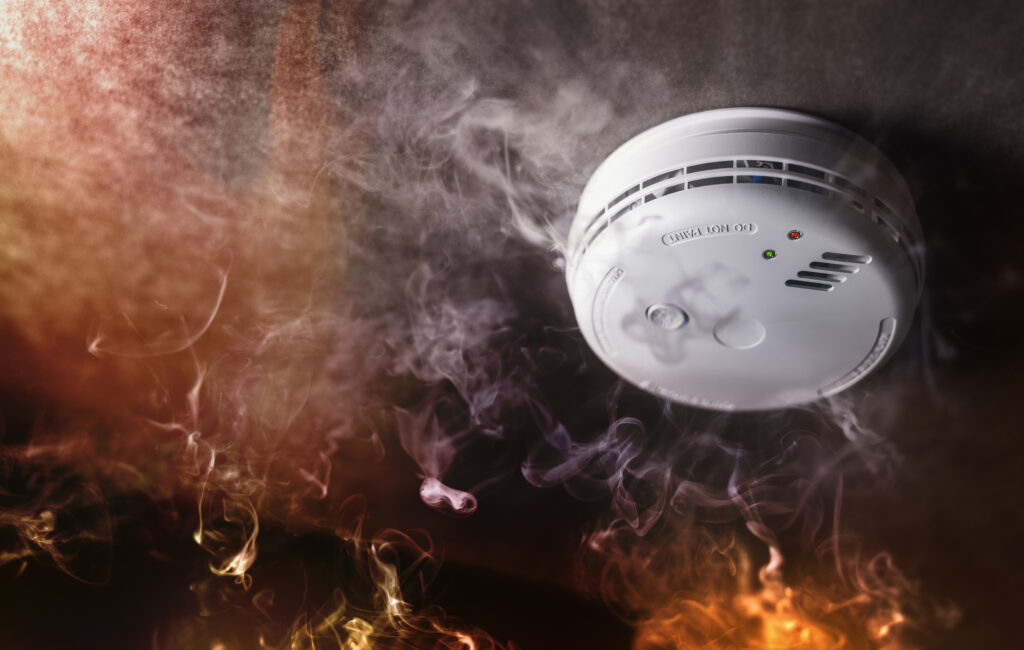
- Fire detection and suppression systems must provide early, redundant protection
- Staff training and emergency preparedness must be treated as operational necessities
No single measure alone is sufficient. Fire safety depends on layered defenses, each compensating for potential failure of the others.
Conclusion: Safety as a Non-Negotiable Obligation
The Le Constellation Bar fire stands as a sobering reminder that fire safety failures carry irreversible consequences. Forty people died not because fire is unpredictable, but because known hazards converged in an environment that lacked sufficient safeguards.
For safety professionals, regulators, and venue operators, the responsibility is clear. Assembly occupancies demand rigorous adherence to fire codes, conservative risk assessments, and a safety culture that prioritizes human life over novelty or profit.
The most meaningful way to honor those who lost their lives is to ensure that the lessons of this incident translate into improved standards, stronger enforcement, and safer public spaces.

Fire safety is not an abstract regulatory requirement. It is a moral obligation measured in lives.
Blog Posts
Latest Posts


Interested in fire prevention?
Check out our online Fire Prevention Specialist course!
Related Posts

Where Safety Is Headed in 2026: Insights from the Safety Community
04.09.2026 Safety Culture
Heat Injury and Awareness on the Job: Preparing for Summer Hazards
04.09.2026 Compliance
How Workplace Safety Training Is Changing
04.09.2026 Current Events