December Safety Roundup
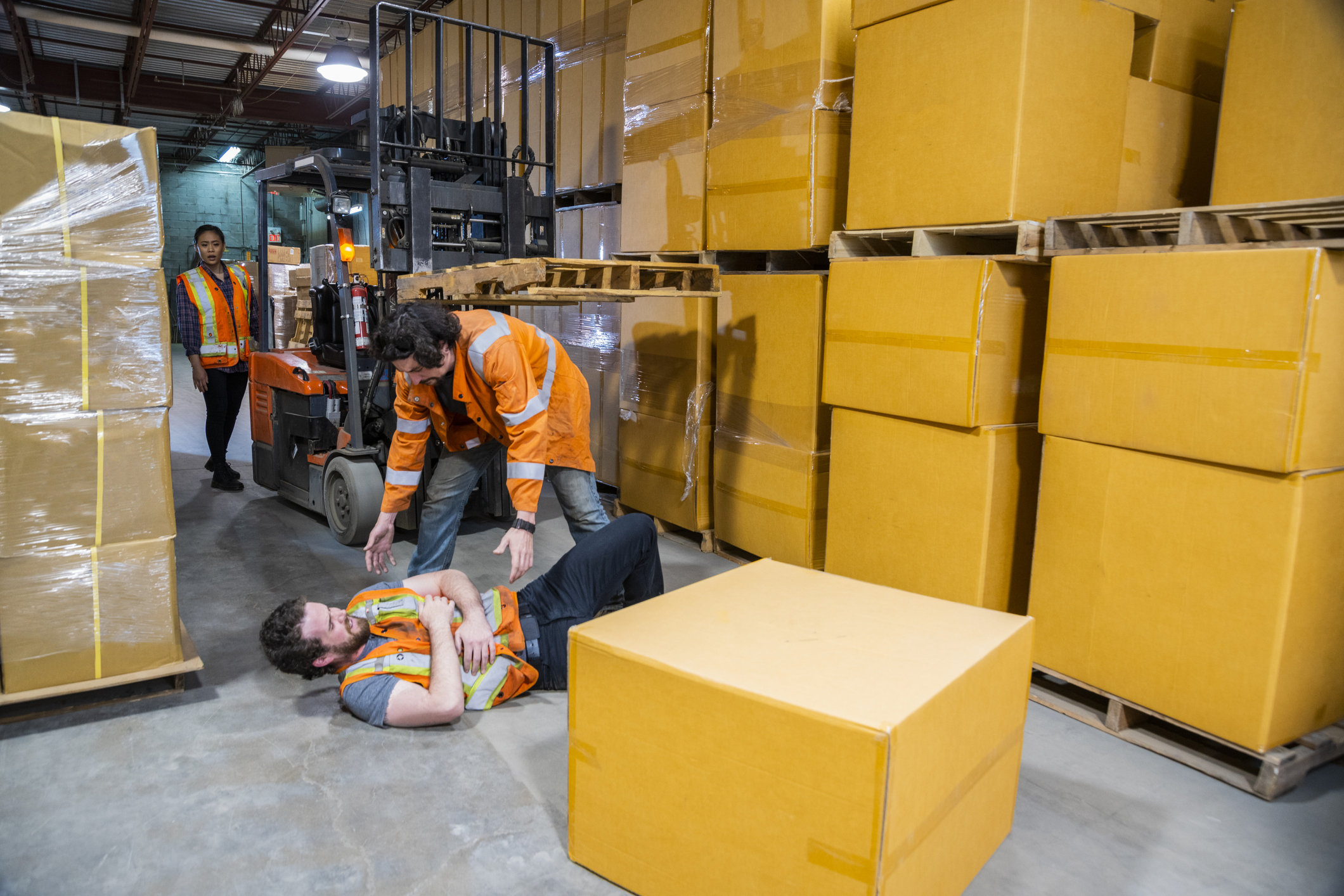
In the past several weeks, a troubling series of workplace incidents has highlighted repeated failures in basic safety practices across multiple industries. These cases, while varied in circumstances, share a common theme. Each involved well-known hazards for which solutions already exist. In several situations, federal authorities have issued significant fines, while in others, investigations are still underway. What follows is a detailed breakdown of these incidents, the safety gaps involved, and the lessons that every employer should take seriously.
Fatal Asphyxiation Hazard at a Georgia Solar Plant Construction Site (update from May 2025)

At a solar cell manufacturing facility under construction in White, Georgia, a worker died after being exposed to an oxygen-deficient environment filled with nitrogen. The incident occurred in May 2025 and involved a contractor, Hyoungwon E&C America Inc., whose employees were working in areas where nitrogen gas had displaced normal breathable air.
Nitrogen is frequently used in industrial applications and is completely odorless and invisible. Because it displaces oxygen without producing warning signs, workers in affected areas may suddenly become lightheaded, lose consciousness, or collapse without the chance to call for help. This is what makes nitrogen-rich or oxygen-poor environments so dangerous.
During its investigation, the Occupational Safety and Health Administration found that the employer had failed to ensure safe atmospheric conditions. The company also did not provide workers with adequate training or information about the hazards associated with nitrogen gas and low oxygen environments. These deficiencies were classified as serious violations. As a result, OSHA proposed penalties totaling 20,522 dollars.
The company has been given the standard period of time to comply. They must either pay the penalties, request an informal conference with OSHA, or contest the citations.
What Went Wrong

This event illustrates a breakdown in the most fundamental aspects of safety planning. Confined or poorly ventilated spaces are always potential candidates for atmospheric testing. Before workers enter these areas, oxygen concentrations should be measured, ventilation should be verified, and monitoring equipment should be in place. Workers should also be trained to recognize the symptoms of oxygen deprivation and the hazards associated with inert gases.
In many industrial construction projects, rapid timelines or siloed responsibilities cause safety planning to fall behind operational tasks. When safety is treated as an afterthought, even a seemingly simple oversight can become fatal.
The loss of life at the Georgia site reinforces the fact that atmospheric hazards require active and ongoing oversight. No worker should be placed in an environment without confirmation that it is safe to enter.
Over 1 Million Dollars in Fines After a Machine Sanitization Death in New Jersey
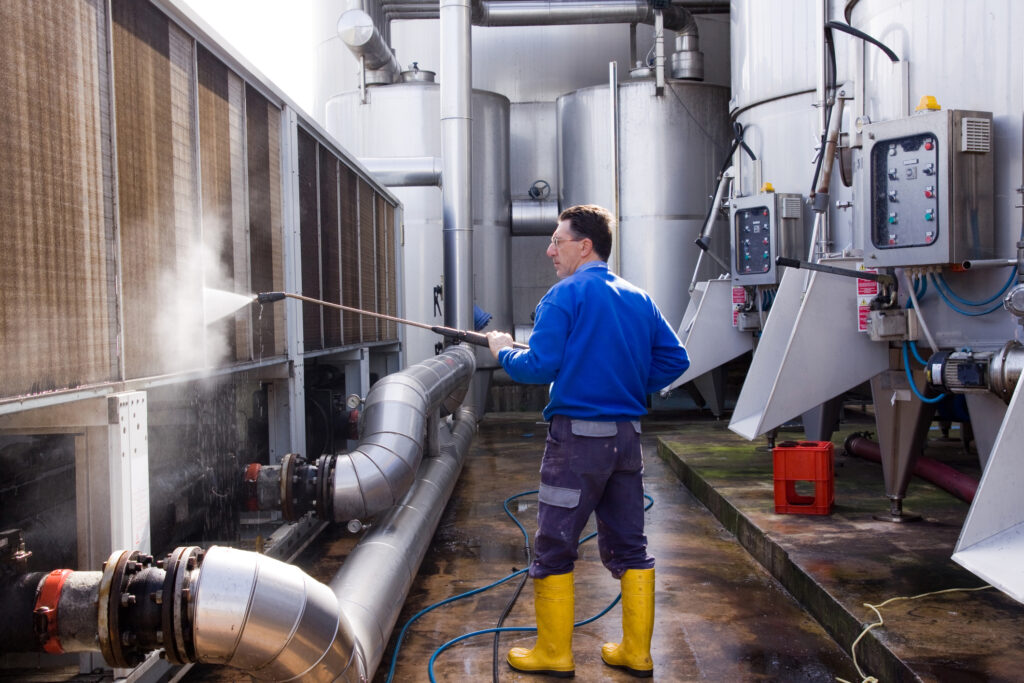
A second case involves an incident at a processing facility in Swedesboro, New Jersey, where a worker died while cleaning a machine. OSHA found extensive deficiencies in the lockout and tagout procedures that should have prevented the machine from operating during cleaning.
Lockout and tagout protocols are among the most fundamental workplace safety systems. They are designed to ensure that machinery is fully powered down, disengaged, and secured before anyone performs maintenance, repairs, or sanitation tasks. These rules prevent unexpected activation or movement of equipment that can entangle, crush, or strike workers.
OSHA identified sixteen violations at Taylor Farms New Jersey Inc., including willful and repeated violations. The agency determined that the company had persistently failed to ensure that machines remained disabled during sanitation activities. The proposed fines exceed 1.1 million dollars.
A temporary staffing agency involved at the same facility, PL Solutions Group, was also cited for three serious violations. These citations relate to training deficiencies that left temporary workers unaware of the lockout and tagout requirements. The staffing agency faces 33,100 dollars in penalties.
The Safety Failure

This case represents one of the clearest examples of a preventable tragedy. Lockout and tagout procedures have been required for decades. They are taught in almost every industrial safety program and are widely understood by workers across manufacturing and food processing industries.
For a worker to die during machine cleaning indicates that procedures were either not implemented, not enforced, or not communicated. The presence of repeated violations suggests a deeper cultural issue. When willful violations occur, it often means the employer was aware of the hazard but failed to correct it. In such environments, workers may be pressured to complete tasks quickly or may assume that safety procedures are optional.
The involvement of a staffing agency highlights another increasingly common risk. When multiple employers share responsibility for a worksite, confusion can arise regarding who must provide training, who oversees compliance, and who ensures that procedures are followed. OSHA holds both host employers and staffing agencies responsible for worker safety. As this case shows, failing to clarify responsibilities can result in inadequate training and deadly consequences.
The magnitude of the fines sends a strong message. Even so, financial penalties cannot compensate for a loss of life. In this case, the worker’s death underscores the high stakes of disregarding basic safety systems.

Trench Collapse in Massachusetts Leaves One Dead and Two Injured
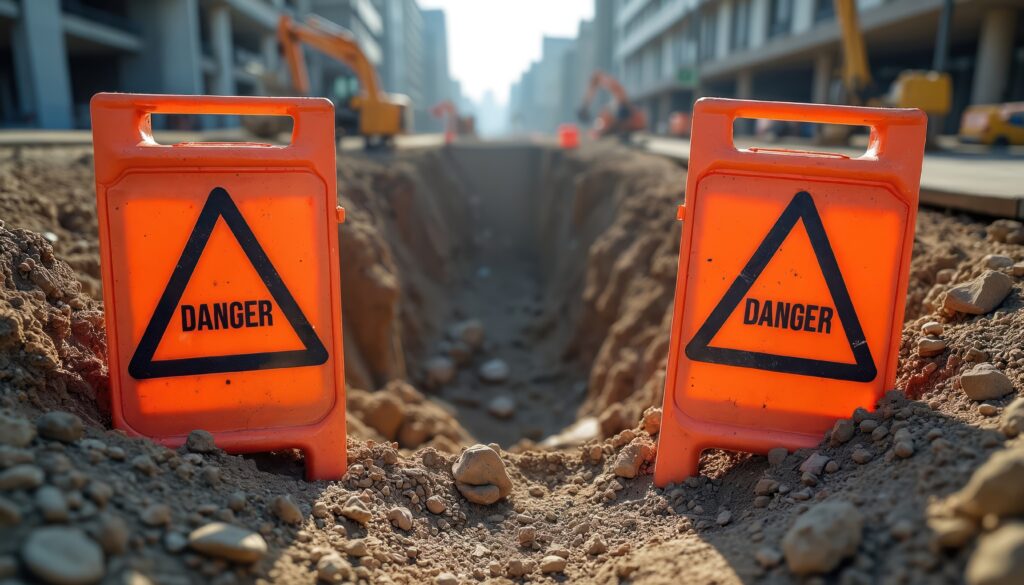
A third incident occurred at a sewer installation project in Yarmouth, Massachusetts, where a trench collapse killed one worker and injured two others. Emergency crews responded to a site on South Shore Drive after the collapse buried workers who had been preparing the trench for sewer work.
One worker managed to escape on his own. Another was trapped up to his waist and was rescued after several hours. The third worker remained fully trapped until responders were able to recover his body in the afternoon.
As of the latest reporting, regulatory fines had not yet been issued, but investigations were expected.
Why This Incident Matters

Trench collapses remain one of the most common and deadly hazards in construction. A cubic yard of soil can weigh more than a small car. When trench walls fail, the collapse happens suddenly and without warning. Workers rarely have time to escape.
There are well known precautions that must be used whenever a trench reaches certain depths. These include proper sloping of trench walls, protective shoring, shielding systems such as trench boxes, soil stability assessments, and daily inspections. Failure to use any of these protections can lead to catastrophic results.
In many cases, trench accidents arise from a combination of factors. These can include misjudgment of soil conditions, pressure to meet deadlines, inadequate supervision, or simply the belief that protective systems are unnecessary for short tasks. Regardless of the cause, the predictable nature of trench hazards makes any related fatality especially tragic.
Until investigators release findings, the exact cause of the collapse will remain unknown. However, the fact that multiple workers were trapped indicates that adequate protective systems may not have been in place. Even if structure or soil conditions were unusual, trench safety protocols are designed to anticipate the unexpected.
This case serves as a reminder to contractors and site supervisors that trenching creates immediate and severe risks. No worker should enter an unprotected trench at any time or for any reason.
Minnesota Manufacturing Plant Fatality Under Investigation
The fourth incident occurred at a manufacturing plant operated by Thomson Reuters in Eagan, Minnesota. A worker died in an accident at the facility. State occupational safety officials have begun an investigation, but few details have been released to the public.
The company issued a statement expressing sympathy and stating that it was cooperating fully with investigators. The nature of the incident, the hazards involved, and the circumstances leading to the fatality have not yet been disclosed.
The Problem of Incomplete Information
Although this case contains fewer specifics than the others, it still highlights an important theme. When details of an incident remain unknown, workers, safety advocates, and other employers lose the opportunity to understand the hazard and prevent similar tragedies.
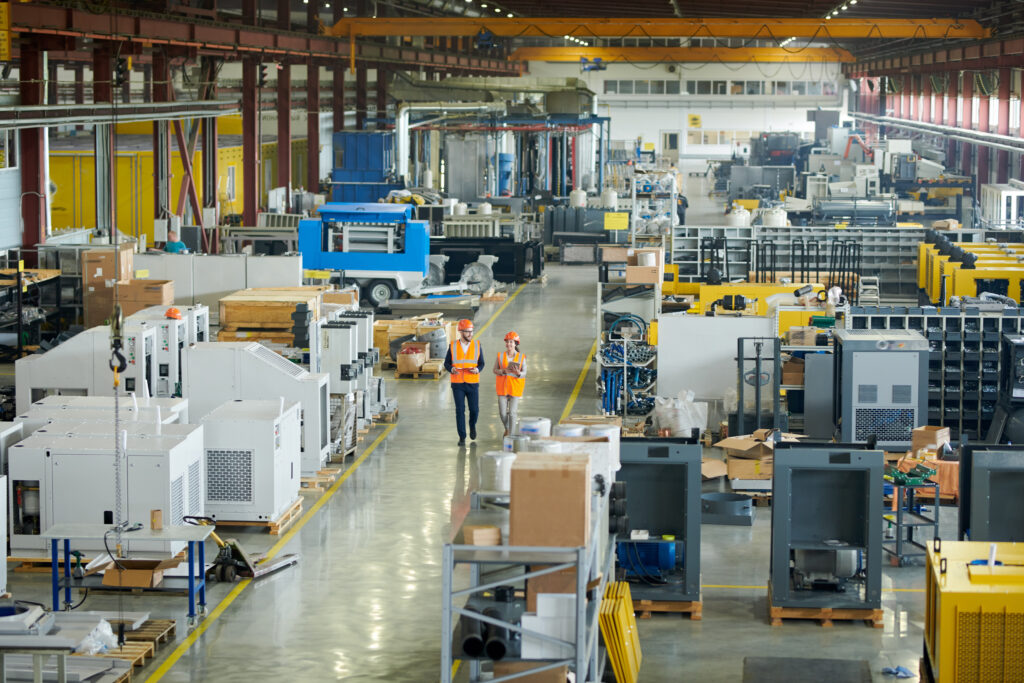
Manufacturing environments contain many potential risks. These may involve machinery, falls, material handling, exposures, or process hazards. Without transparent reporting, organizations cannot learn from the event and make informed safety improvements.

Investigations may take weeks or months to complete. Once the findings are released, they will likely shed light on what steps could have prevented the fatality. In the meantime, the lack of clarity is a reminder that even well-established work environments can encounter unexpected risks.
Conclusion
The recent fatalities in Georgia, New Jersey, Massachusetts, and Minnesota serve as reminders that workplace hazards remain serious and that preventable tragedies continue to occur. The issues seen across these cases reflect failures in planning, training, oversight, and fundamental hazard control. Although fines and regulatory actions are necessary enforcement tools, the true measure of workplace safety is whether employees return home unharmed.
Employers must move beyond minimum compliance and develop strong, proactive safety programs. Workers deserve environments in which their well being is treated as the highest priority. Preventing the next tragedy requires commitment, vigilance, and a willingness to learn from incidents such as those described in this Safety Roundup.
Blog Posts
Latest Posts


NEED SITE-SPECIFIC SAFETY SUPPORT?
Get expert on-site training and consulting from NASP.
Related Posts

What are your safety goals in 2026?
03.05.2026 Safety Culture
From Deregulation to DIY Safety
03.05.2026 Current Events
Lithium-Ion Batteries: The Hidden Workplace Fire Risk (and What to Do About It)
03.05.2026 Compliance