Corroded Grating Nearly Causes Offshore Fatality: BSEE Issues Safety Alert

Washington, D.C. — The Bureau of Safety and Environmental Enforcement (BSEE) has issued a safety alert warning offshore energy operators about the severe risks of failing to properly identify and restrict access to corroded grating and other deteriorating infrastructure.
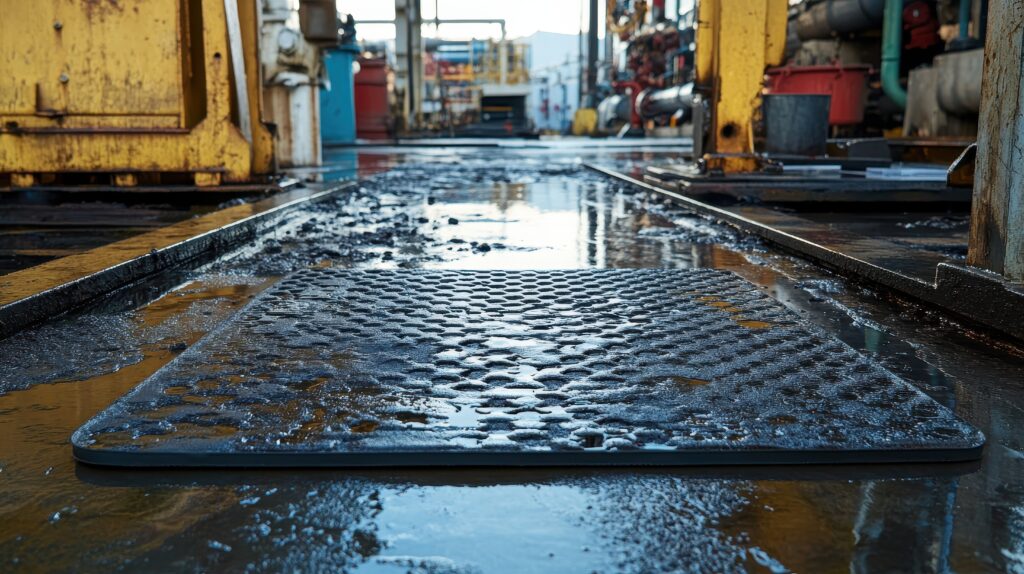
The alert follows an investigation into a serious incident at an offshore production facility where a worker narrowly avoided falling through a corroded section of platform grating into open water.
Incident Overview
According to BSEE, workers at the facility initially discovered a heavily corroded grating near a skid. To mitigate the hazard, the company installed hard barricades around the area. However, two scaffolding boards were later placed on top of the compromised grating, creating a false impression of a safe walking surface.
While attempting to install a pump, a worker knelt on the boards. The corroded grating beneath failed catastrophically, sending a 36-by-36-inch section plummeting into the water below. The worker managed to grab onto nearby piping to prevent falling.
This incident could easily have resulted in a fatality or serious injury.
Corrosion-Related Explosion Highlights Broader Risks
The alert also references a separate incident investigated by BSEE earlier this year involving severe corrosion of an 8-inch bidirectional gas pipeline.
In that case, a corroded flange failed, triggering an explosion and fire that spread approximately 80 feet across the production deck. Critical equipment, wiring, and platform grating sustained extensive damage.
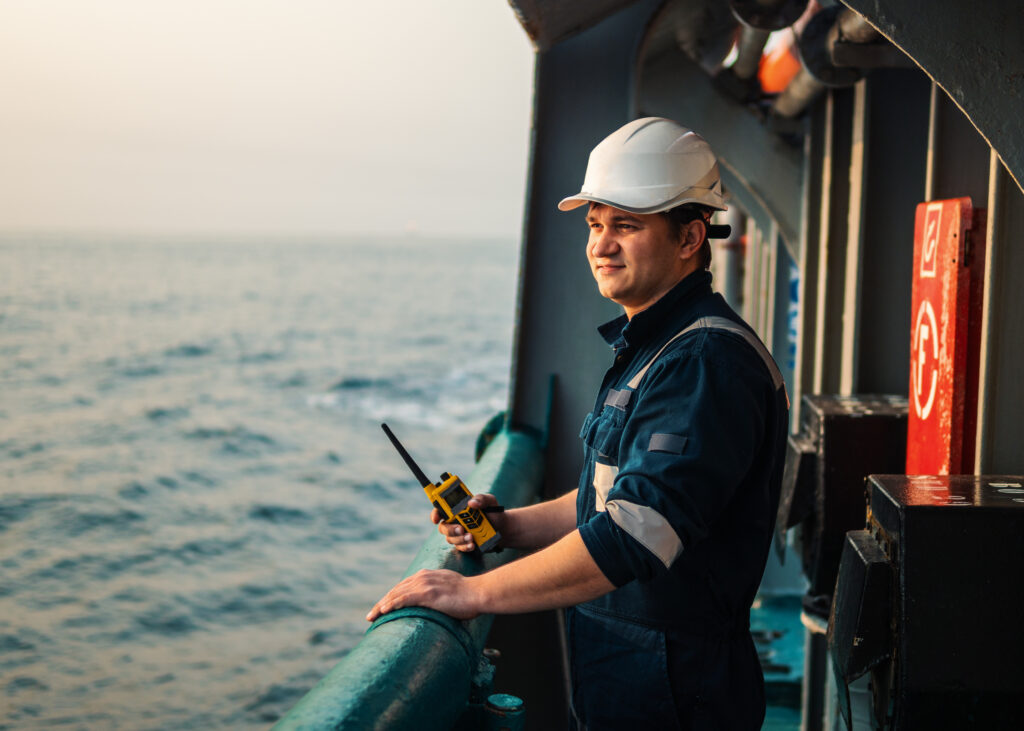
The safety alert notes that adverse weather conditions—winds exceeding 28 mph and sea states of 11–20 feet—helped keep the flames from engulfing the platform, possibly preventing a catastrophic event.
Key Lessons and Recommendations
BSEE emphasizes several important takeaways:
- Do not rely on temporary coverings or makeshift solutions—like scaffold boards—to mitigate corrosion hazards.
- Immediately restrict access to any areas with compromised grating or structural components.
- Regularly inspect and document the condition of all walkways, grating, and pipelines.
- Ensure corrosion is properly assessed and addressed before resuming work in affected areas.
These incidents underscore the critical need for rigorous inspection programs and effective hazard controls to protect workers on offshore facilities.
More Information
You can read the full BSEE Safety Alerts here:
- Misidentification of Corrosion Hazard Results in High Potential Event
- Pipeline Explosion Due to Corrosion

Stay Ahead of Corrosion Hazards
Proper hazard recognition and mitigation require specialized training. NASP offers comprehensive courses to help you:
- Identify structural hazards before they lead to incidents
- Develop effective inspection protocols
- Implement reliable control measures
Explore NASP’s Certified Safety Manager training program to strengthen your team’s ability to prevent corrosion-related accidents.
Blog Posts
Latest Posts
Related Posts

Where Safety Is Headed in 2026: Insights from the Safety Community
04.09.2026 Safety Culture
Heat Injury and Awareness on the Job: Preparing for Summer Hazards
04.09.2026 Compliance
How Workplace Safety Training Is Changing
04.09.2026 Current Events