The Best Workplace Safety Training and Approaches
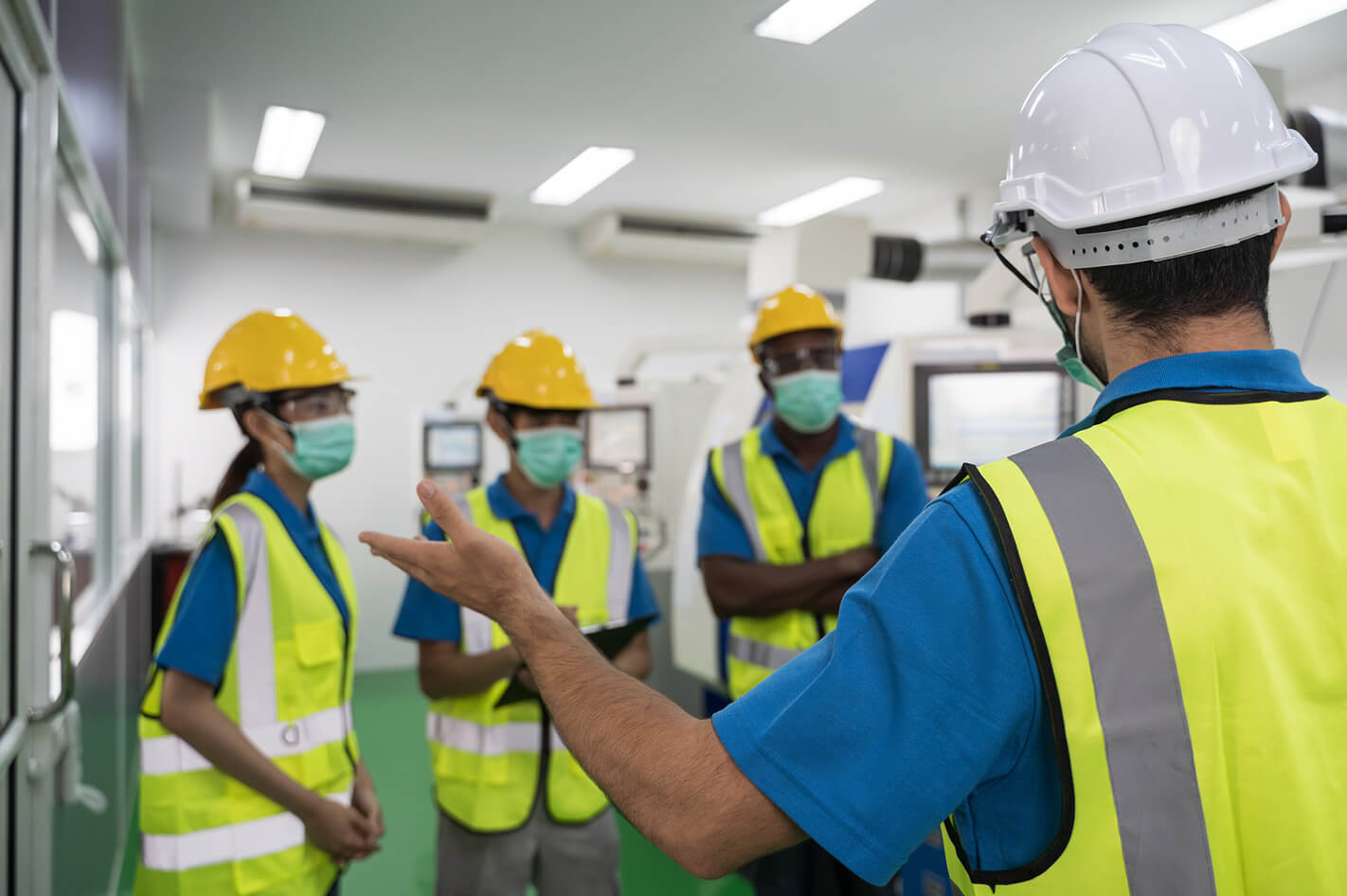
Safety training is crucial to creating a workplace where workers value safety. When done with the right approach, this training can build an environment that views safety procedures in a positive light. It encourages proactive measures toward safety and makes workers feel valued for their contributions.
Read on for the best workplace safety training and approaches to implement.
The Best Workplace Safety Training
Workplace safety training is an excellent way to educate employees on the importance of following safety procedures like wearing PPE and sticking to safe electrical interactions. Here are the best workplace safety training topics:
Hazard Communication
A Hazard Communication (HazCom) program is crucial to protecting workers from potential injuries caused by unsafe chemical usage. In 2023, OSHA found 1.5 million work-related injuries and illnesses in the U.S., which led to over 18 million lost workdays. HazCom is a safety training process that employers must implement to communicate potential hazards and protect employees from exposure to those dangers.
Employers with potentially hazardous chemicals have a duty to implement a written hazard communication program. Here are some elements they should cover:
- Create a training program educating all employees exposed to potential hazards
- Label all containers
- Provide readily available access to safety data sheets
Lockout/Tagout
Lockout/Tagout, also known as LOTO, is a crucial workplace safety training procedure that builds awareness around proper equipment usage. Whenever machines or equipment are undergoing servicing, they may release some form of hazardous energy that could cause severe damage. Here are some examples of energy that could cause injuries if workers aren’t adequately prepared:
- Thermal
- Hydraulic
- Chemical
- Electrical
- Pneumatic
- Mechanical
OSHA’s Lockout/Tagout standard requires employers to train workers to follow safety procedures when working with potentially hazardous energy. Without proper LOTO safety procedures, workers can be seriously injured. For example, a worker can service a press when another employee may start the press, causing the worker who was servicing it to be caught in the machinery. This scenario is just one instance that emphasizes the importance of lockout/tagout training to enhance workplace safety.
Fall Protection
In 2022, 865 workers died due to fatal falls, while thousands were severely injured. A significant part of workplace safety training is taking steps to educate employees on the dangers of slips and falls, whether from elevated work platforms or on the same level.
Workplace safety training should cover fall protection to educate employees on how to identify and navigate spaces with fall hazards. OSHA requires employers to take the following steps:
- Train employees about potential job hazards in a language they understand
- Keep the floors clean and dry in workspaces
- Create working conditions that are free from known dangers
- Provide personal protective equipment at the company’s cost
Electrical Safety
One critical topic that workplace safety training programs should cover is electrical safety. Employees who are properly trained in electrical safety are better equipped to prevent and handle accidents like burns, shocks, or flashes.
Electrical safety training is crucial to equip employees with the knowledge and skills to mitigate electrical hazards and lower the potential for accidents. According to OSHA, there are three key levels of electrical safety training for different employees that companies should aim for:
- Qualified electrical workers: These employees are authorized to work with electrical equipment and live electrical circuits. They should be informed about specific hazards and receive training to prevent them.
- Less or non-qualified electrical workers: These workers are not authorized to work on live electrical equipment, but they may find themselves handling related tasks like opening electric panels. Their lack of knowledge can leave them vulnerable to electrical hazards, so it’s crucial to offer them training focused on identifying and avoiding potential electrical hazards.
- Workers in the vicinity of electrical workspaces: These employees are not directly involved in electrical work, nor are they authorized to work with electrical equipment. However, they occasionally come into contact with electric equipment. It’s crucial to provide them with safety training from the basic practices for electric equipment, such as keeping covers on, to more advanced practices like not turning a machine on when in lockout. They must also be made aware of potential electrical hazards in the space.
Personal Protective Equipment
Personal Protective Equipment, also known as PPE, is the core of workplace safety training. It’s specifically designed to protect workers in a particular field from the elements and hazards at their workplace. However, many employees don’t understand the importance of PEE, putting them in increased danger. One recent survey found that 56% of employees didn’t wear PPE because they “just didn’t want to,” while 48% didn’t see it as necessary.
Having and wearing the proper PPE does not guarantee worker safety, but it does maximize protection against equipment and some hazards. OSHA recommends a PPE program that addresses the following:
- The selection, maintenance, and use of proper PPE
- Training employees on the dangers of not wearing PPE
- Monitoring and evaluating the efficiency of the program in getting employees to correctly use their PPE
The Best Workplace Safety Approaches
While safety training is essential, the approach that it’s delivered in is also important. An interactive approach and one that focuses on creating a safety culture can help employees form a positive attitude toward safety procedures:
Interactive Training
A hands-on approach to safety training is one of the best ways to convey the importance of practicing safe behaviors. Interactive training reminds employees that the dangers of unsafe behaviors are very real. It can help show employees that injuries can happen to them if they don’t follow safety precautions, and nobody is exempt from hazards.
On-site training is a common example of interactive training, especially popular in construction, oil and gas, and trade industries. It provides consistent safety protocols and allows employees to discuss sensitive safety concerns. Interactive training methods offer a hands-on approach that prepares employees for real-world experience with potential hazards.
Safety Culture
A culture that revolves around safety is one of the top workplace safety training approaches. It creates a positive attitude toward safety protocols and makes employees feel more confident in their daily duties. Here are some of the top features that businesses should aspire to:
- Put people first: A safety culture prioritizes people and always considers potential hazards that other employees may face. When companies prioritize people, they recognize workers who follow safety protocols and proactively identify and address safety hazards.
- Communicate clearly: Safety culture is all about communication. Employees should feel free to discuss potential hazards or safety concerns and provide feedback on safety procedures and policies through clear channels.
- Safety training and education: Education is at the core of building a safety culture. It better equips employees to handle safety hazards and helps develop their skills in identifying and reporting potential threats.

Get the Top Workplace Safety Training With NASP
Do you want to build a workplace where safety is prioritized and teams look out for one another? At NASP, we have the courses you need to empower workers with the knowledge and skills to speak the language of safety.
We created our certificate courses, specialist courses, and professional courses with many industries in mind, including oil and gas and other general industries. Our NASP/IASP, Inc. Certification Program gives workplace safety professionals the confidence and expertise they need to handle potentially hazardous situations with efficiency and skill.
Check out all our courses and get your NASP Membership for access to top discounts, resources, and services.
Related Posts

The Environmental Cost of Data Centers
02.13.2026 Technology
DOT in Hot Water over Use of AI
02.13.2026 Compliance
The Benefits of Site-Specific LMS Courses
02.13.2026 Safety Culture