Anatomy of an Industrial Explosion — Langeloth Metallurgical Incident
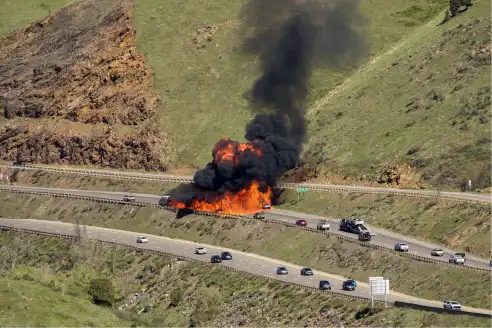
On the evening of January 29, 2026, a routine chemical handling operation at the Langeloth Metallurgical Company plant in Smith Township, Washington County, Pennsylvania, turned into a dramatic industrial explosion that shook the surrounding community. While thankfully no fatalities were reported, multiple people were hospitalized, and the incident serves as a stark reminder of how quickly everyday tasks can escalate into serious safety events.
Sequence of Events
At approximately 6:15 p.m., emergency dispatchers received reports of an explosion at the Langeloth facility, which processes metals and chemical products. According to officials, the blast occurred during the transfer of a chemical from a tanker truck to a stationary storage tank near the plant’s acid production area. This was a standard step in processing, but something went catastrophically wrong during the transfer, triggering a powerful explosion that was heard — and felt — for miles around.
Neighbors described hearing a loud “woosh” followed by a boom that rattled homes, knocked pictures off walls, and even caused ceilings to drop tiles in nearby residences. The force was strong enough that some residents initially thought an earthquake or plane crash had occurred.
What Went Wrong in the Chemical Transfer
Initial information from investigators suggests the explosion was caused by an “uncontrolled mixture of chemicals” that reacted outside the planned process parameters. While the specific chemicals involved have not been fully disclosed, plant management reported the blast stemmed from this unintended reaction alongside the acid plant area.
During chemical transfers — particularly those involving oxidizers, acids, or reactive intermediates — even minor misalignment, incorrect valve positions, or improper sequencing can lead to uncontrolled conditions. In this case, the mixture appears to have been inadvertently introduced into the wrong vessel or under incorrect conditions, initiating a reaction that rapidly escalated.
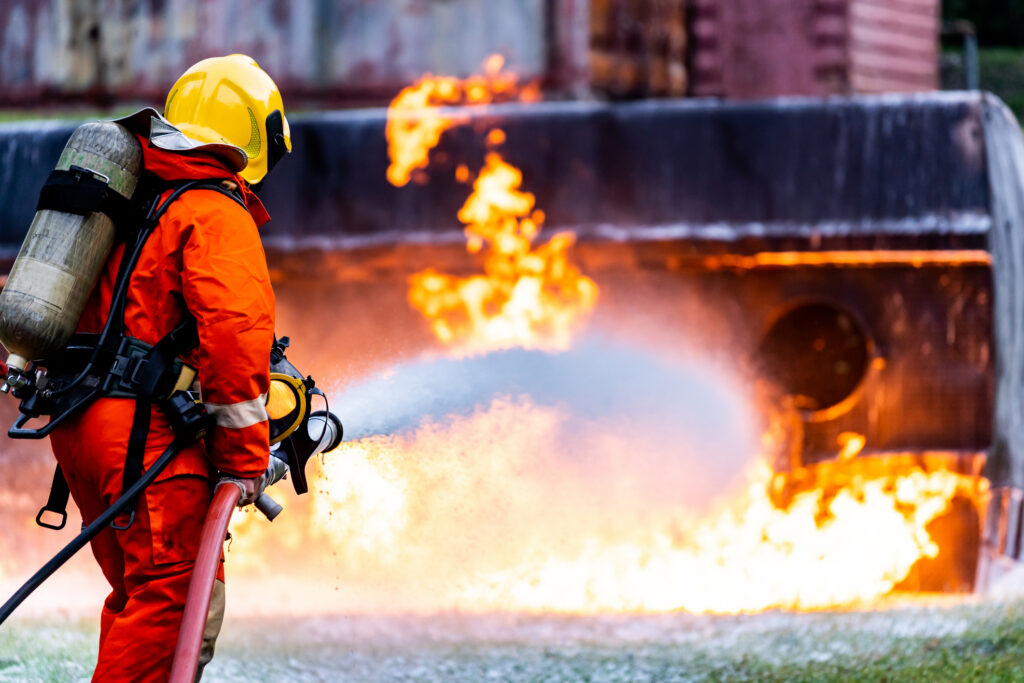
The reaction was powerful enough to cause significant internal damage: storage tanks and surrounding piping and structural supports reportedly suffered damage, underscoring how volatile such events can be even in controlled industrial settings.
Emergency Response
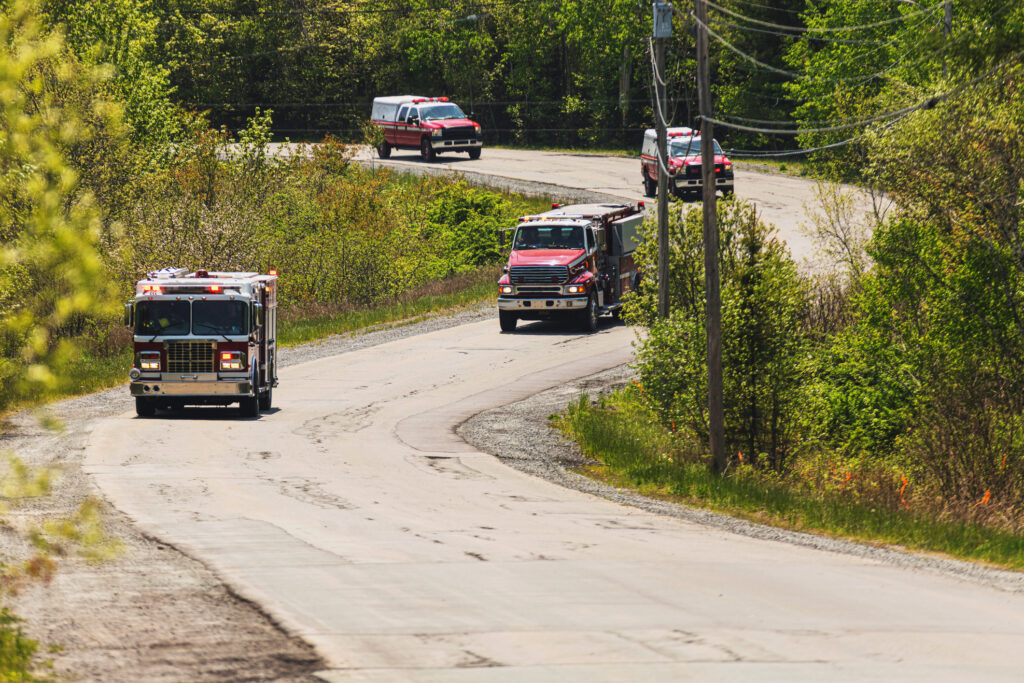
First responders — including local fire departments and hazardous materials teams — arrived rapidly after the explosion was reported. Because the incident involved chemical transfers, a hazmat response was essential to assess the risk of toxic or flammable airborne releases. Officials issued a temporary shelter-in-place notice for the nearby residential area out of concern for a potential release of hydrogen peroxide, a substance commonly used in metallurgical processes that can pose respiratory hazards if released. That notice was later lifted after air monitoring confirmed no harmful emissions.
Four people — including a truck driver and plant personnel — were transported to local hospitals. Two were treated for injuries sustained in the blast, while others were hospitalized as a precaution; all were later released.
State and federal agencies, including the Pennsylvania Department of Environmental Protection (DEP) and the Environmental Protection Agency (EPA), were notified and have joined investigations to determine the root cause and prevent future recurrences. OSHA has also been engaged as part of the regulatory review.
Safety Takeaways for Industrial Professionals
For safety leaders and industrial professionals, the Langeloth explosion offers several crucial lessons:
1. Rigorous Chemical Transfer Controls Are Critical
Even routine transfers require robust engineering controls and procedural checks. Redundant safeguards — such as interlocks, automatic shutoffs, and positive verification of correct tanks — can help prevent rogue mixtures. Ensuring all operators understand the chemical compatibility and hazards of substances being transferred is essential.
2. Communication With First Responders Matters
According to some fire officials, initial communication from plant personnel lacked key hazard details, complicating early response efforts. Establishing formal communication channels and pre-incident planning with local responders can dramatically improve outcome clarity and reduce risk to both responders and the public.
3. Community Preparedness Should Be Part of Safety Planning
Nearby residents experienced both physical and psychological impacts from the blast. Even when hazardous releases are contained, community engagement and transparent information sharing can help mitigate fear and support recovery.
4. Thorough Incident Investigation Drives Improvement
With regulatory agencies involved, companies have an opportunity to analyze procedural gaps and implement corrective actions that strengthen safety culture and prevent similar events.
Turning Lessons Into Action
The Langeloth explosion is a reminder that some of the most serious industrial incidents don’t begin with dramatic failures or reckless behavior — they begin during routine work. Chemical transfers, valve alignments, and tanker offloading are tasks performed every day in industrial settings, which can create a false sense of security. When familiarity replaces vigilance, small deviations can cascade into major events with consequences far beyond the facility fence line.
For safety professionals, the real value of incidents like this lies in what comes next. Strong chemical management programs, clear transfer procedures, effective worker training, and well-coordinated emergency response planning are not optional safeguards — they are critical defenses against the unexpected. By studying real-world events and applying those lessons before an incident occurs, organizations can ensure that “routine” never becomes a blind spot, and that both workers and surrounding communities remain protected when systems fail.
Blog Posts
Latest Posts
Related Posts

What are your safety goals in 2026?
03.05.2026 Safety Culture
From Deregulation to DIY Safety
03.05.2026 Current Events
Lithium-Ion Batteries: The Hidden Workplace Fire Risk (and What to Do About It)
03.05.2026 Compliance